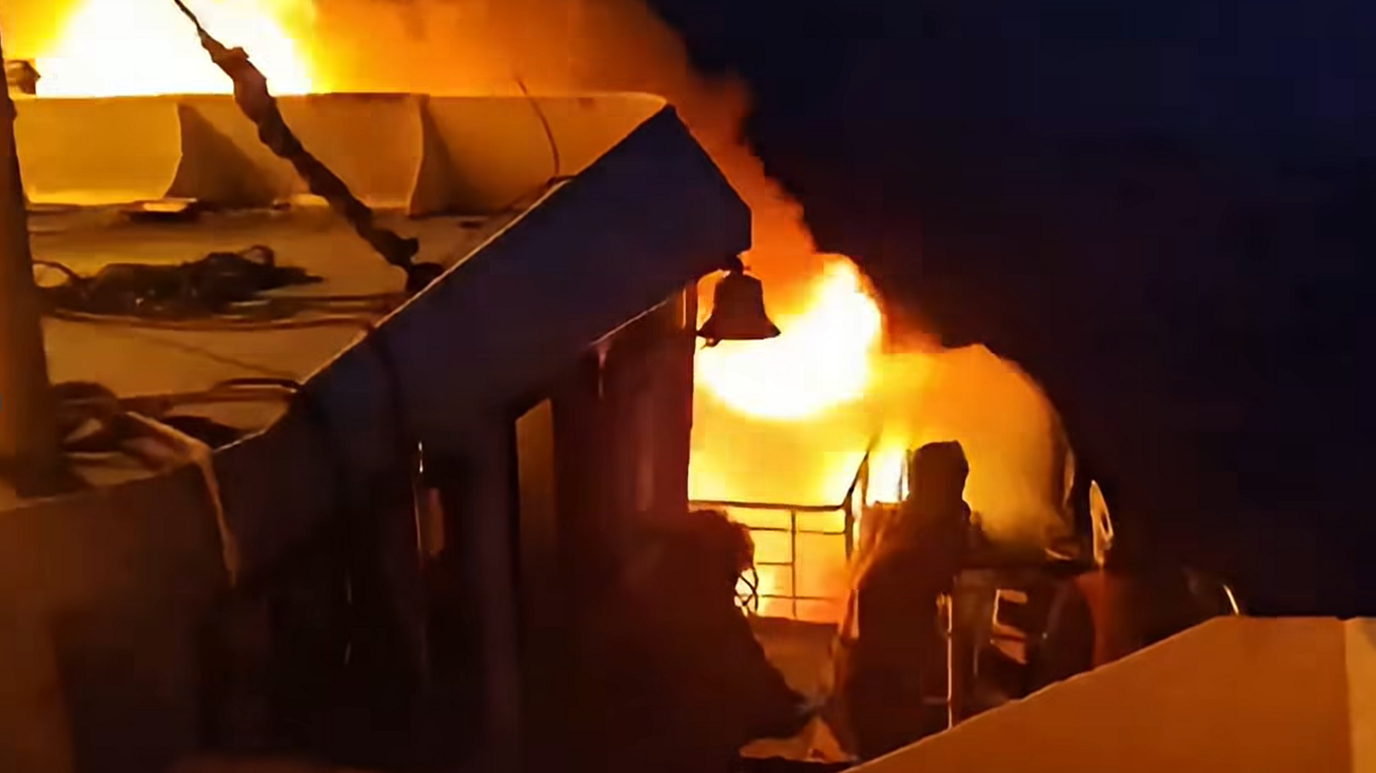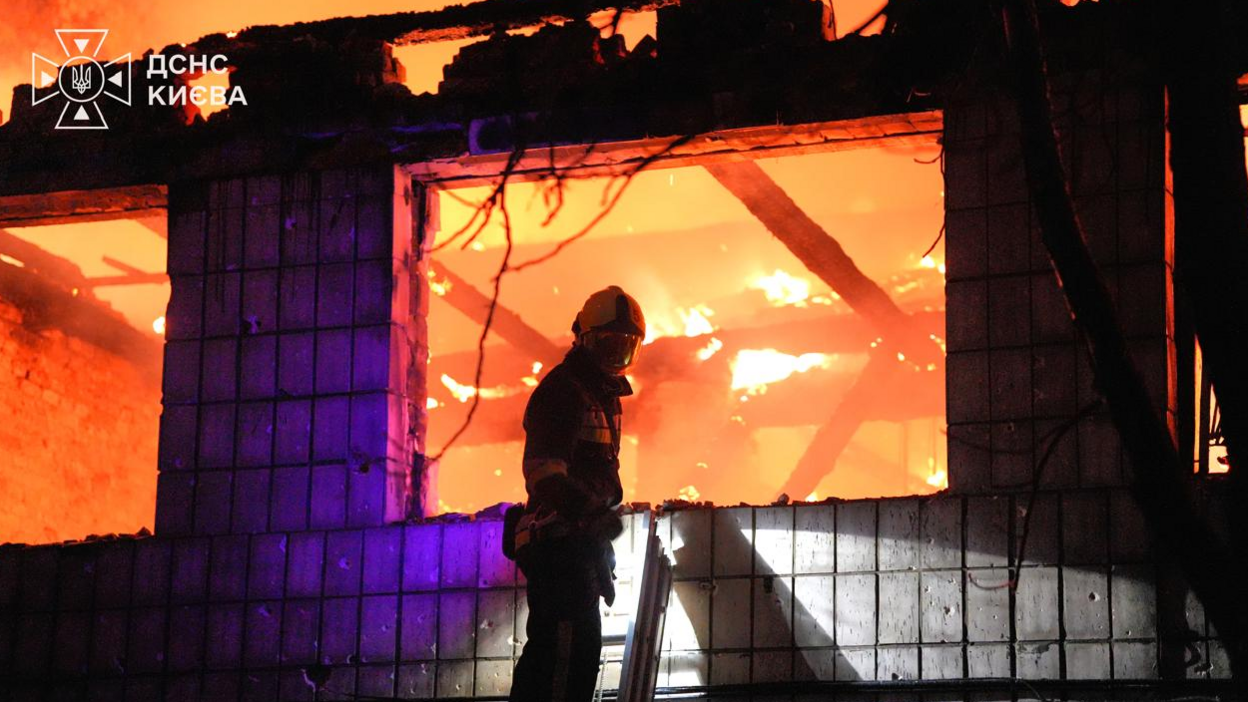
In the wake of the devastating fire at a bar in Crans-Montana, many Swiss citizens are asking themselves if their political system is fit for purpose.
Switzerland, often praised for its efficiency, has a very devolved system of government, in which villages and towns are run by local officials elected from and by the community.
It is a system the Swiss cherish, because they believe it ensures accountability.
But there are inherent weaknesses: hypothetically, the official approving a bar license or passing a fire-safety check is the friend, neighbour, or maybe even cousin of the bar owner.
When the news of the fire emerged on New Year's Eve, first there was shock. Such devastating fires are not, people thought, supposed to happen in Switzerland.
Then there was grief - 40 young people lost their lives, 116 were injured, many of them very seriously. Questions followed - what caused such a catastrophe?
And finally, this week - fury when Crans-Montana's Mayor, Nicolas Feraud, revealed that Le Constellation bar had not been inspected since 2019.
Crans-Montana is in the Swiss canton of Valais, where fire-safety inspections are the responsibility of Mayor Feraud and his colleagues, and they are supposed to happen every 12 months.
Not only had the checks not taken place, the mayor said, he had only become aware of this after the fire. And, he revealed, of 128 bars and restaurants in Crans-Montana, only 40 had been inspected in 2025.
Asked why, Feraud had no answer, though he did suggest Crans-Montana had too few inspectors for the number of properties that needed checking.
This was echoed by Romy Biner, the mayor of neighbouring upmarket resort Zermatt, who told local media that many communities in the canton of Valais did not have the required resources to inspect so many premises. This is not a line that plays well with many Swiss, who know that Crans-Montana and Zermatt are two of the richest winter resorts in the country.
So when Feraud faced the press, there were pointed questions from Swiss journalists: How well did the mayor know the bar's owners? Had he ever been to the bar? And, was there any possibility of corruption?
Absolutely not, was his indignant answer to the last question.
The mother of two brothers who survived the fire also had questions. We urgently need complete, transparent answers, she wrote on social media.
When they escaped the burning bar, each of her sons had thought at first that the other was dead.
They escaped, but they are deeply traumatised. They will carry the emotional scars forever.
Those questions, from journalists and families, reveal the problems of Switzerland's devolved political system.
Elected officials in towns like Crans-Montana have many responsibilities as well as fire safety - running schools and social services, even collecting taxes.
Most of these officials work part-time and, once elected, continue with their day jobs.
Nowadays some communes may be over-challenged trying to supply and oversee all the services a 21st-Century population expects, but Swiss voters expect better than what they heard from Mayor Feraud.
The headlines after his press conference were savage. Many demanded Mayor Feraud and his colleagues resign. Feraud ruled this out, saying, we were elected by the people. You don't abandon ship in the middle of a storm.
A failure right across the board, wrote the broadsheet Tagesanzeiger. Now Switzerland's reputation is on the line.
An utter disaster, wrote the tabloid Blick, a total failure of fire safety checks.
Reputational damage is something the Swiss both hate and fear. Switzerland is a rich country, in part because of its reputation for safety, stability, reliability, and, among its own citizens, accountability.
If those in charge damage that reputation, and put the country's success at risk, the Swiss are unforgiving.
Crans-Montana, too, has aroused that same angry feeling of trust betrayed. But this is much worse than Swissair or UBS. Forty people, many of them teenagers, are dead. Dozens more have suffered life-changing injuries.
Those in power recognize the necessity for immediate answers, with the president of Valais promising a strict investigation into the failures of governance. The owner of the bar is now in custody, subject to a criminal investigation, but the role of the local government is sure to be scrutinized also, as calls for reform surface.