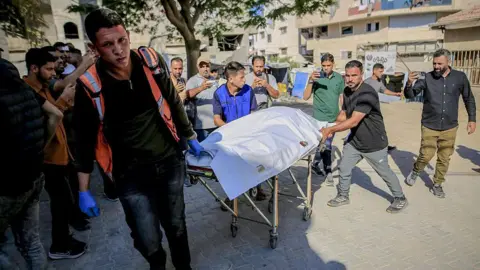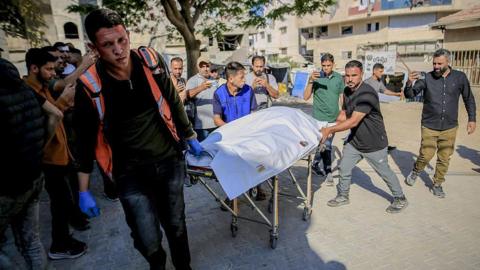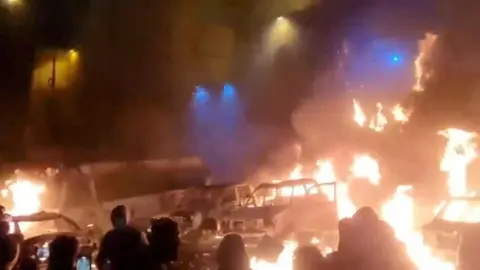
As protests in Iran entered their second week and Iranian authorities issued coordinated warnings to protesters, a doctor and medic at two hospitals told the BBC their facilities were overwhelmed with injuries.
One doctor said an eye hospital in Tehran had gone into crisis mode, while the BBC also obtained a message from a medic in another hospital saying it did not have enough surgeons to cope with the influx of patients.
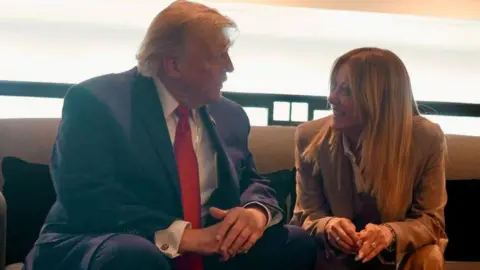
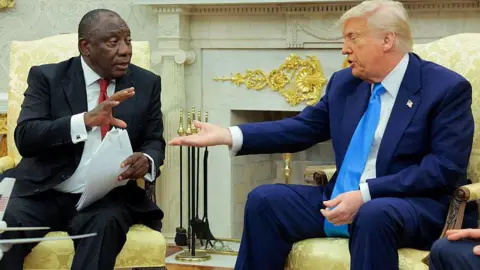
On Friday, US President Donald Trump said Iran was in 'big trouble' and warned 'you better not start shooting because we'll start shooting too.'
Iran, in a letter to the UN Security Council, blamed the US for turning the protests into what it called 'violent subversive acts and widespread vandalism.'
Meanwhile, international leaders called for the right to peaceful protest to be protected.
Anti-government protests have taken place in dozens of cities, with at least 50 protesters reported killed by two human rights groups.
The BBC and most other international news organisations are barred from reporting inside Iran, and the country has been under a near-total internet blackout since Thursday evening, making obtaining and verifying information difficult.
A doctor from Iran, who contacted the BBC via Starlink satellite internet on Friday night, said Farabi Hospital, Tehran's main eye specialist centre, had gone into crisis mode, with emergency services overwhelmed.
Non-urgent admissions and surgeries were said to have been suspended, and staff called in to deal with emergency cases.
The BBC also obtained a video and audio message from a medic in a hospital in the south-west city of Shiraz on Thursday. The medic said large numbers of injured people were being brought in, and the hospital did not have enough surgeons to cope with the influx. He claimed many of the wounded had gunshot injuries to the head and eyes.
Since protests began on 28 December, at least 50 protesters and 15 security personnel have been killed, according to the US-based Human Rights Activist News Agency (HRANA). More than 2,311 individuals have also been arrested, the group reported.
The Norway-based Iran Human Rights (IHRNGO) said at least 51 protesters, including nine children, had been killed.
BBC Persian has spoken to the families of 22 of them and confirmed their identities.
United Nations Secretary General spokesperson Stéphane Dujarric said the UN was very disturbed by the loss of life.
'People anywhere in the world have a right to demonstrate peacefully, and governments have a responsibility to protect that right and to ensure that that right is respected,' he said.
French President Emmanuel Macron, UK Prime Minister Sir Keir Starmer and German Chancellor Friedrich Merz released a joint statement that said: 'The Iranian authorities have the responsibility to protect their own population and must allow for the freedom of expression and peaceful assembly without fear of reprisal.'
Iran's Supreme Leader Ayatollah Ali Khamenei remained defiant in a televised address on Friday, saying: 'The Islamic Republic came to power through the blood of several hundred thousand honourable people and it will not back down in the face of those who deny this.'
Later, in remarks made to a gathering of supporters and broadcast on state television, Khamenei reiterated the message, saying Iran 'will not shirk from dealing with destructive elements'.
Iran's UN ambassador accused the US of 'interfering in Iran's internal affairs through threats, incitement, and the deliberate encouragement of instability and violence,' in a letter to the UN Security Council.