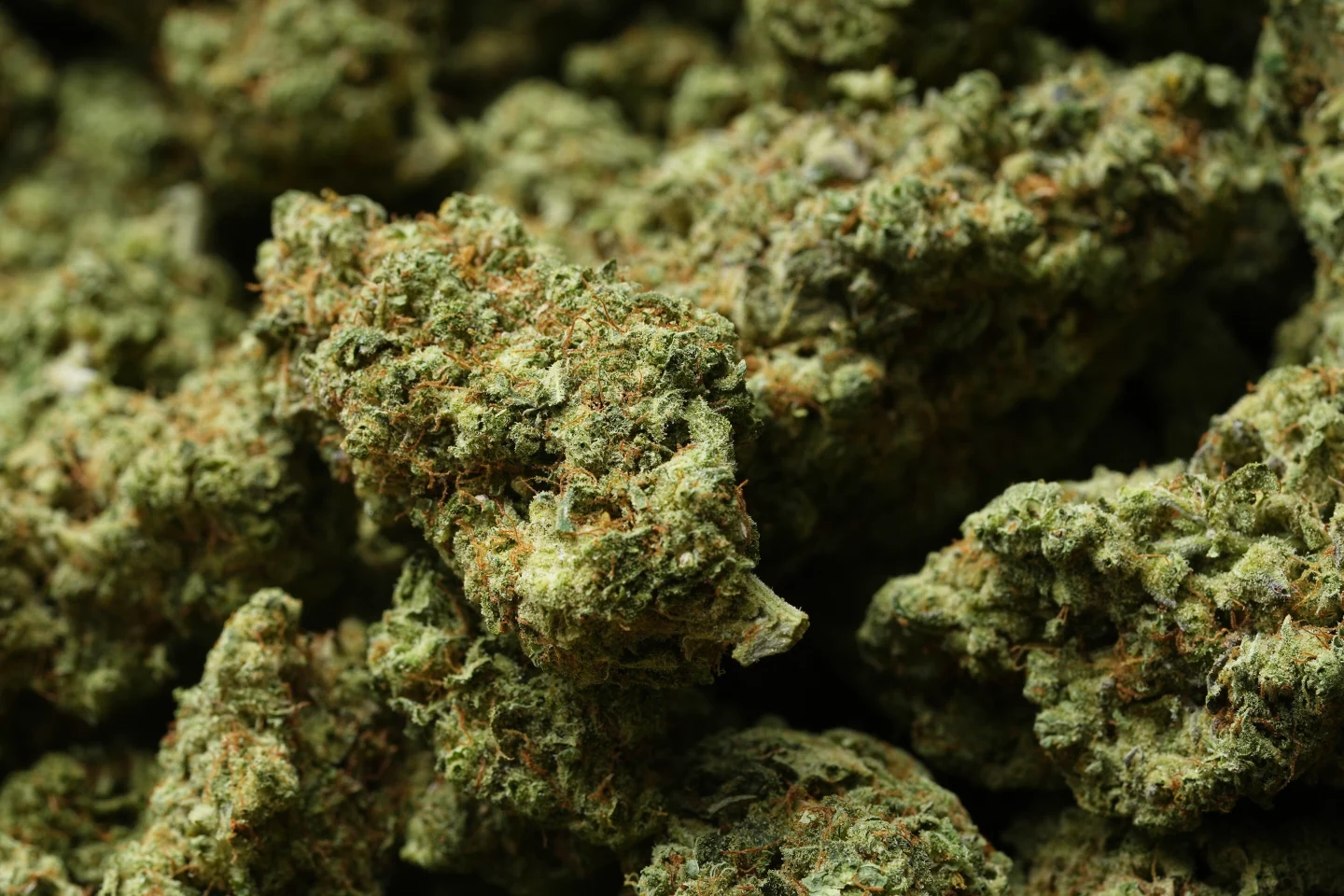
SEATTLE (AP) — President Donald Trump’s move to reclassify state-licensed medical marijuana as a less dangerous drug is heralded as a potentially transformative development for the industry. This change is expected to yield significant tax benefits for dispensaries, easing restrictions on cannabis research and potentially setting the stage for international marijuana exportation.
Moreover, this administrative shift may only be the beginning. An upcoming hearing later this June could lead to a broader reclassification of marijuana, impacting recreational use markets considerably.
“This signals a serious commitment from the administration to advance cannabis policy,” remarked Boston cannabis attorney Jesse Alderman.
Nevertheless, the stated order does not legalize marijuana for medical or recreational use on a federal level, and legal challenges are anticipated. Nonetheless, this reclassification of medical marijuana from Schedule I—reserved for drugs with no medical value and a high risk for abuse—to the less restricted Schedule III represents a fundamental change in regulation.
A Long-Awaited Adjustment
This policy shift comes as a refreshing reprieve for a federal government long committed to cannabis prohibition, even as the majority of states have legalized its use in various forms. Since California first approved medical marijuana in 1996, all but two states, Idaho and Kansas, have recognized some form of legal cannabis.
Currently, over two dozen states including Washington, D.C. allow adult recreational use of marijuana, generating substantial tax revenue. Additionally, forty states have instituted medical marijuana measures, with eight states permitting the use of low-THC cannabis or CBD oil for medicinal purposes.
The order acknowledges the evolution of medical marijuana regulation, with structured licensing processes established from cultivation to sales across most states.
Public Healthcare Concerns
Despite the advancements, critics remain skeptical. Some health professionals argue that legalization has consequently led to more potent products that could necessitate further study, as Dr. Smita Das from Stanford University pointed out. With cannabis use disorder affecting about 30% of users, there are concerns that this reclassification may lower risk perceptions regarding cannabis.
Moreover, the change has revealed complexities for dispensaries that cater to both recreational and medical markets, creating challenges in tax compliance and expense deductions. Sociology expert Josh Meisel raised a valid point about the administrative hurdles this distinction poses.
Trump's administration had previously expressed intentions to expedite cannabis reclassification after various halted initiatives under the Biden administration. This latest order, amidst efforts to combat other drugs like fentanyl, marks a significant step toward reevaluating the federal stance on cannabis.
A Divided Reception
While cannabis advocates celebrate this reclassification as the most substantial federal progress in decades, dissenting voices caution about the repercussions of providing tax benefits to what they call 'Big Weed.'
As the administration continues to navigate the complex landscape of cannabis legislation, one thing is clear: Trump's reclassification marks a pivotal moment in the long-running debate over marijuana policy in the United States.