India has pushed back against US Commerce Secretary Howard Lutnick's claims that trade negotiations between the two countries stalled due to Prime Minister Narendra Modi's failure to contact President Donald Trump.
In August, Trump imposed a 50% tariff on Indian goods, including penalties for buying Russian oil, after trade talks apparently reached an impasse.
Negotiations are ongoing, though clarity on their conclusion remains elusive, with several informal deadlines already missed.
Key issues include access to India's agriculture sector, where the US has been advocating for increased entry, but India has been adamantly protective.
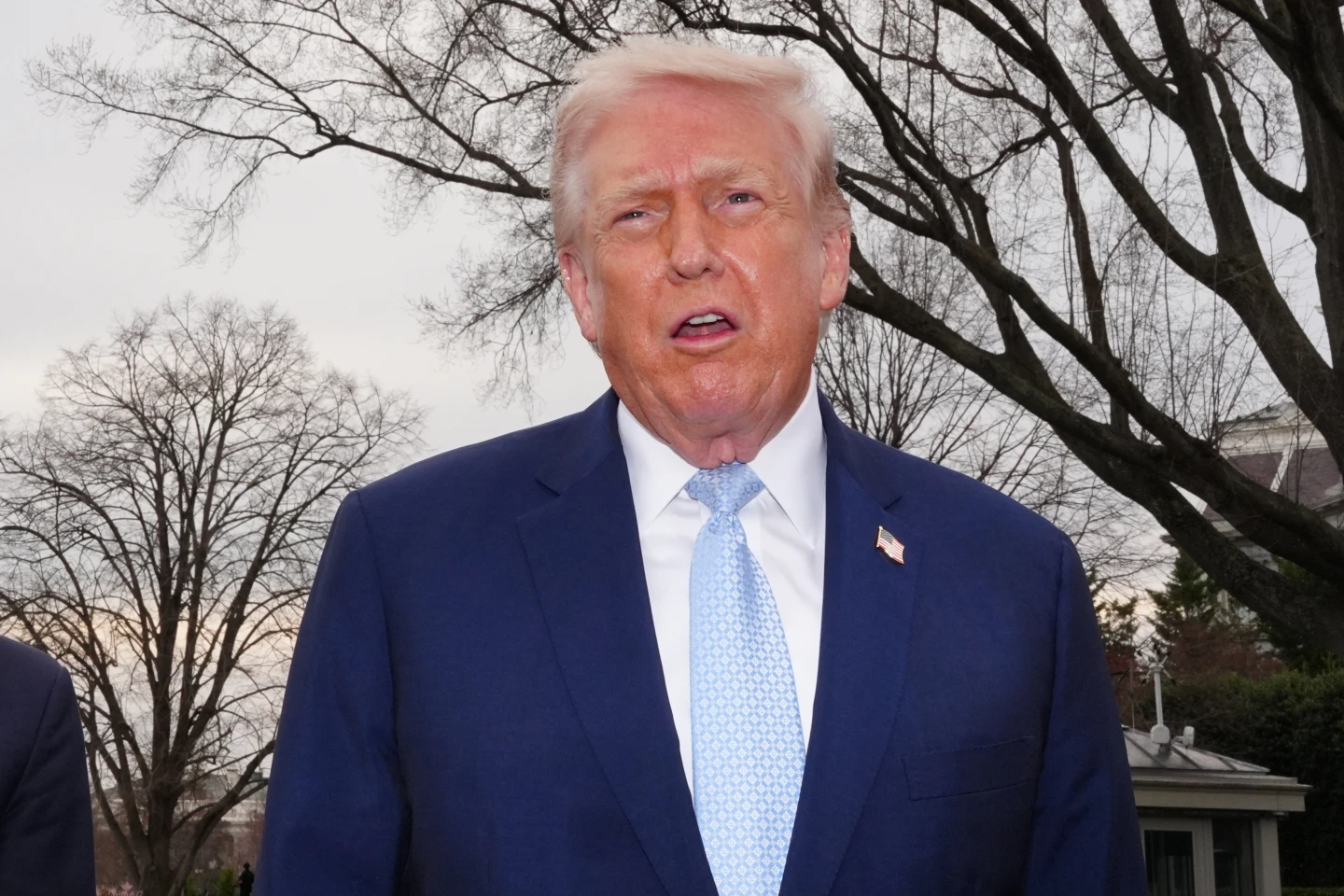
Despite Lutnick's assertion that relations were close to resolution early on, the circumstances surrounding the negotiations have drawn scrutiny. He claimed, It was all set up... Modi didn't call, implying that this hesitation derailed the deal.
Reacting to Lutnick's remarks, India stated that his characterization of the discussions was inaccurate and emphasized that efforts to negotiate a bilateral trade agreement began as early as 13 February last year. The foreign ministry spokesperson Randhir Jaiswal noted that multiple rounds of talks have taken place since then, with both sides having come close to an agreement at various times.
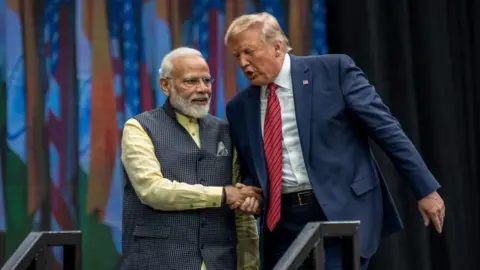
Modi and Trump reportedly spoke on the phone eight times last year, discussing various dimensions of their partnership.
During the All-In Podcast, Lutnick elaborated on Trump's view of deal-making, equating it to a staircase where initial steps yield the best results. He indicated that India was the second nation to enter negotiations, following the UK, and that the urgency from Washington might have been hindered by India's reluctance to advance directly.
According to Lutnick, misunderstandings on India's part left the US inclined to pursue deals with other nations while India hesitated.
Following heightened tensions stemming from Trump's tariffs, criticism has emerged regarding India's continued purchasing of Russian oil, an action necessary for its population's energy needs, which has further complicated US-India relations.
Yet despite tariffs, data highlights that India's exports to the US surged over 22% in November year-on-year, illuminating resilience amid complications.
This developing situation continues to affect the historically strong relationship between Modi and Trump, which has seen a decline amid ongoing geopolitical tensions and trade disputes.