Donald Trump wants to take Greenland - and the White House has confirmed that all options are on the table, including the use of force.
While a military operation is just one of a range of economic and political options being considered, such a move would represent a nightmare scenario for the NATO alliance, as it could be perceived as an attack by one NATO member on another.
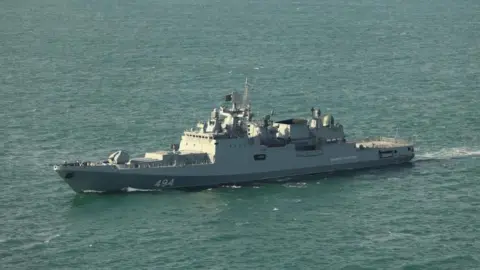
Trump has claimed that Greenland is vital to U.S. national security due to alleged Russian and Chinese naval activities in the region, a statement lacking supporting evidence. With insights from various experts, we consider the different strategies that Trump might pursue and the justifications behind them.
Military Action
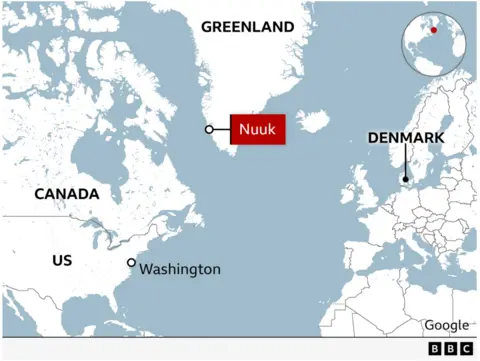
Defense analysts suggest that staging a rapid military operation in Greenland could be feasible, given the island's vast size yet sparse population of about 58,000, most of whom live along the western coast. However, such an operation would provoke serious international repercussions.
Despite Greenland's lack of military autonomy, Denmark is responsible for its defense and has increased its military presence in the Arctic. Nevertheless, the U.S. already has a small military footprint with over 100 personnel stationed at the Pituffik facility, which could serve as a launch point for any potential operation.
Experts indicate that a military takeover could involve the U.S. leveraging its superior naval and airborne capabilities to rapidly deploy troops. However, the political fallout could be devastating, jeopardizing transatlantic agreements and violating international law.
Buying Greenland
While Trump has shown interest in purchasing Greenland, both Greenland and Denmark maintain that the territory is not for sale. Attempts to negotiate a purchase would face significant legislative hurdles domestically, and any agreement would likely require Greenlandic input.
Any U.S. proposal to acquire the territory would also need to align with international law principles regarding self-determination. Additionally, financing such a venture could turn politically toxic within Trump's voting base, particularly if substantial tax dollars are involved.
A Campaign for Influence
Polls indicate that while many Greenlanders desire independence from Denmark, they possess little enthusiasm for joining the U.S. Some experts suggest that instead of military action, the administration may opt for an influence campaign, fostering a pro-U.S. sentiment in Greenland potentially aligned with their desire for autonomy.
The future of U.S.-Greenland relations remains uncertain, as no political factions in Greenland currently advocate for U.S. annexation. The U.S. faces a challenge in navigating these geopolitical waters without alienating both allies and the local populace.