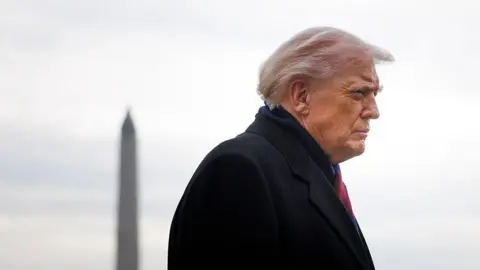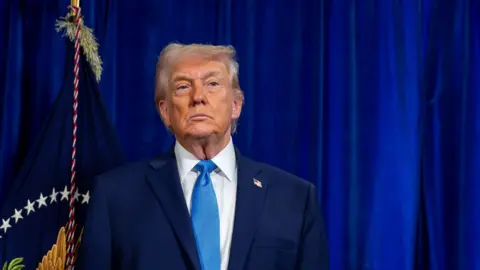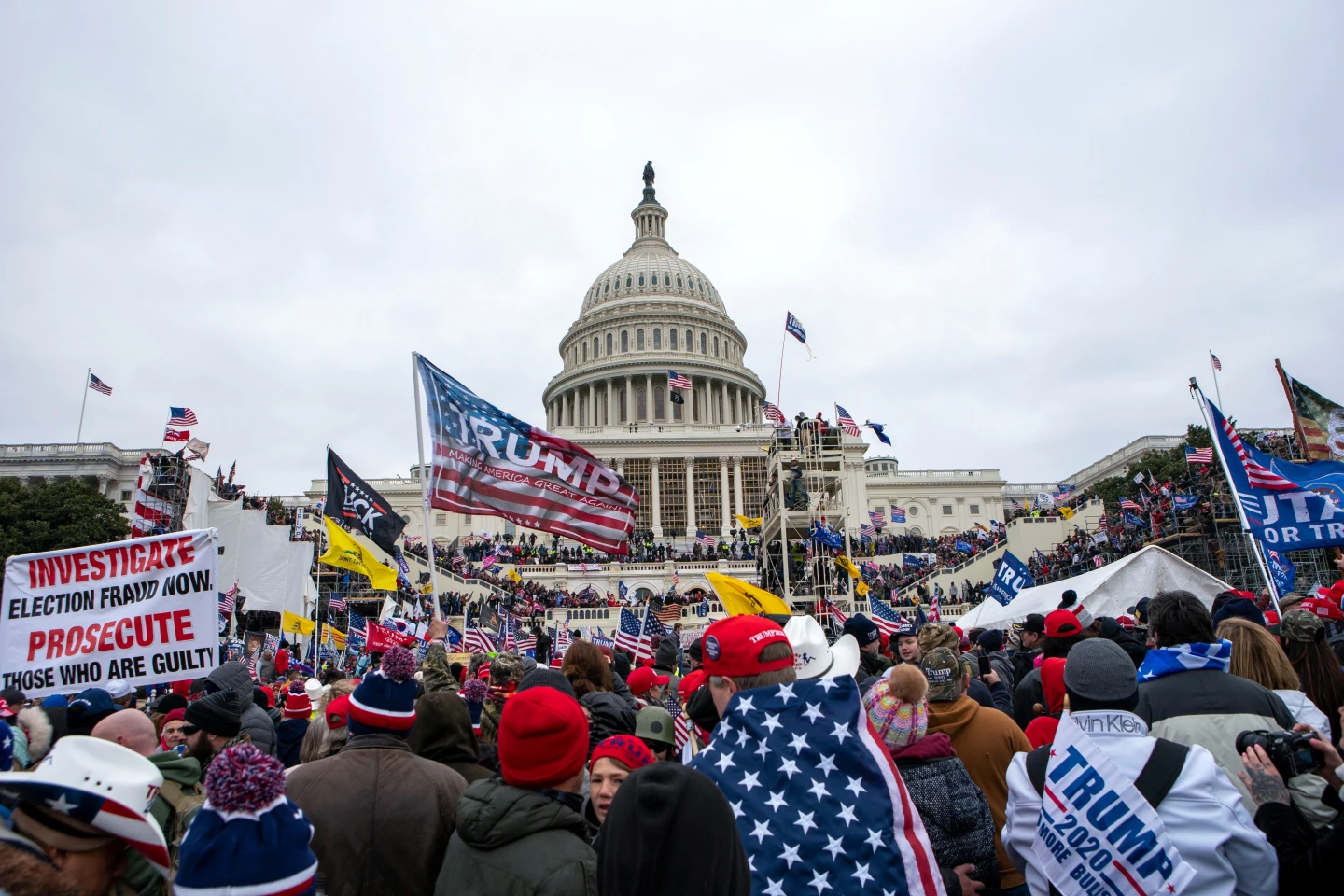
Five years ago, on January 6, 2021, outgoing President Donald Trump urged a crowd to march to the Capitol to protest the certification of Joe Biden's election win, stating, and I’ll be there with you. Soon, the world witnessed a chaotic siege, raising alarm about the state of American democracy.
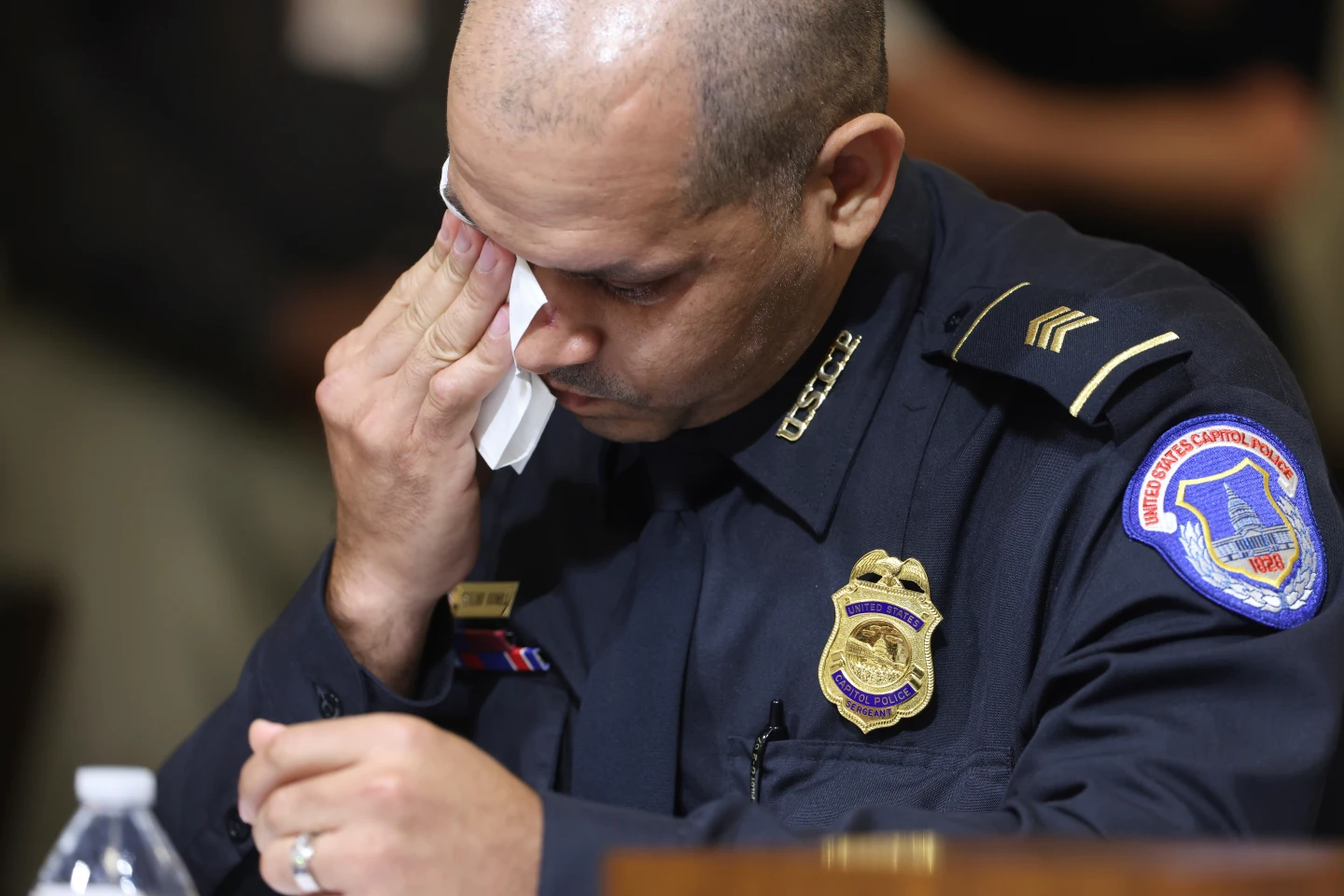
As this anniversary arrives, a lack of official commemorations highlights the ongoing divide. The political landscape remains fragmented, with no consensus on how to interpret the events that day. While an official plaque honoring police defenders of the Capitol has yet to be displayed, both parties have engaged in parallel discussions about that day's legacy.
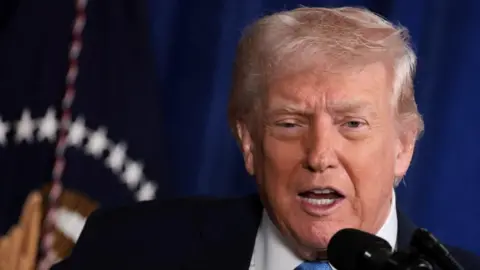
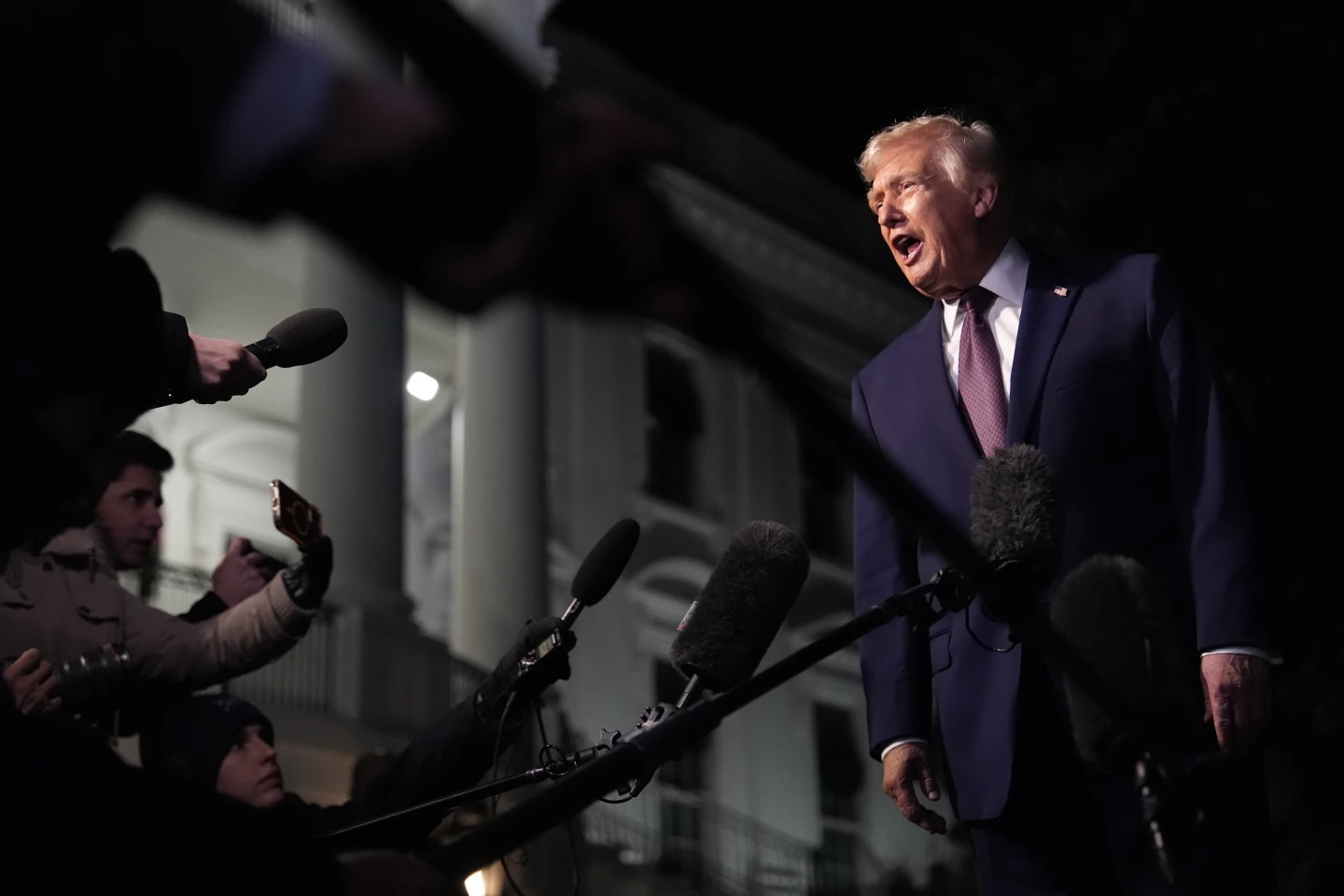
In a speech to House Republicans, Trump shifted blame regarding January 6 onto the rioters while asserting that he only encouraged his supporters to march peacefully. Democrats convened as well, focusing on the historical significance of the attack and warning against forgetting the events leading up to it.
A rally was also led by Enrique Tarrio, the former leader of the Proud Boys, who gathered supporters in memory of those who lost their lives during the attack, including Ashli Babbitt, who was shot by police. This marked a stark reminder of the violence that ensued.
Amid growing tensions in Congress, discussions rotated around the actions taken during that day, with some Republicans questioning the security lapses that occurred at the Capitol.
The aftermath of January 6 remains palpable, impacting ongoing legal proceedings against Trump and the Justice Department's indictment of him related to conspiracy charges. As the 2024 election approaches, the implications of the past five years remain contentious, underscoring the enduring impact of January 6 on American politics.
As this anniversary arrives, a lack of official commemorations highlights the ongoing divide. The political landscape remains fragmented, with no consensus on how to interpret the events that day. While an official plaque honoring police defenders of the Capitol has yet to be displayed, both parties have engaged in parallel discussions about that day's legacy.
In a speech to House Republicans, Trump shifted blame regarding January 6 onto the rioters while asserting that he only encouraged his supporters to march peacefully. Democrats convened as well, focusing on the historical significance of the attack and warning against forgetting the events leading up to it.
A rally was also led by Enrique Tarrio, the former leader of the Proud Boys, who gathered supporters in memory of those who lost their lives during the attack, including Ashli Babbitt, who was shot by police. This marked a stark reminder of the violence that ensued.
Amid growing tensions in Congress, discussions rotated around the actions taken during that day, with some Republicans questioning the security lapses that occurred at the Capitol.
The aftermath of January 6 remains palpable, impacting ongoing legal proceedings against Trump and the Justice Department's indictment of him related to conspiracy charges. As the 2024 election approaches, the implications of the past five years remain contentious, underscoring the enduring impact of January 6 on American politics.