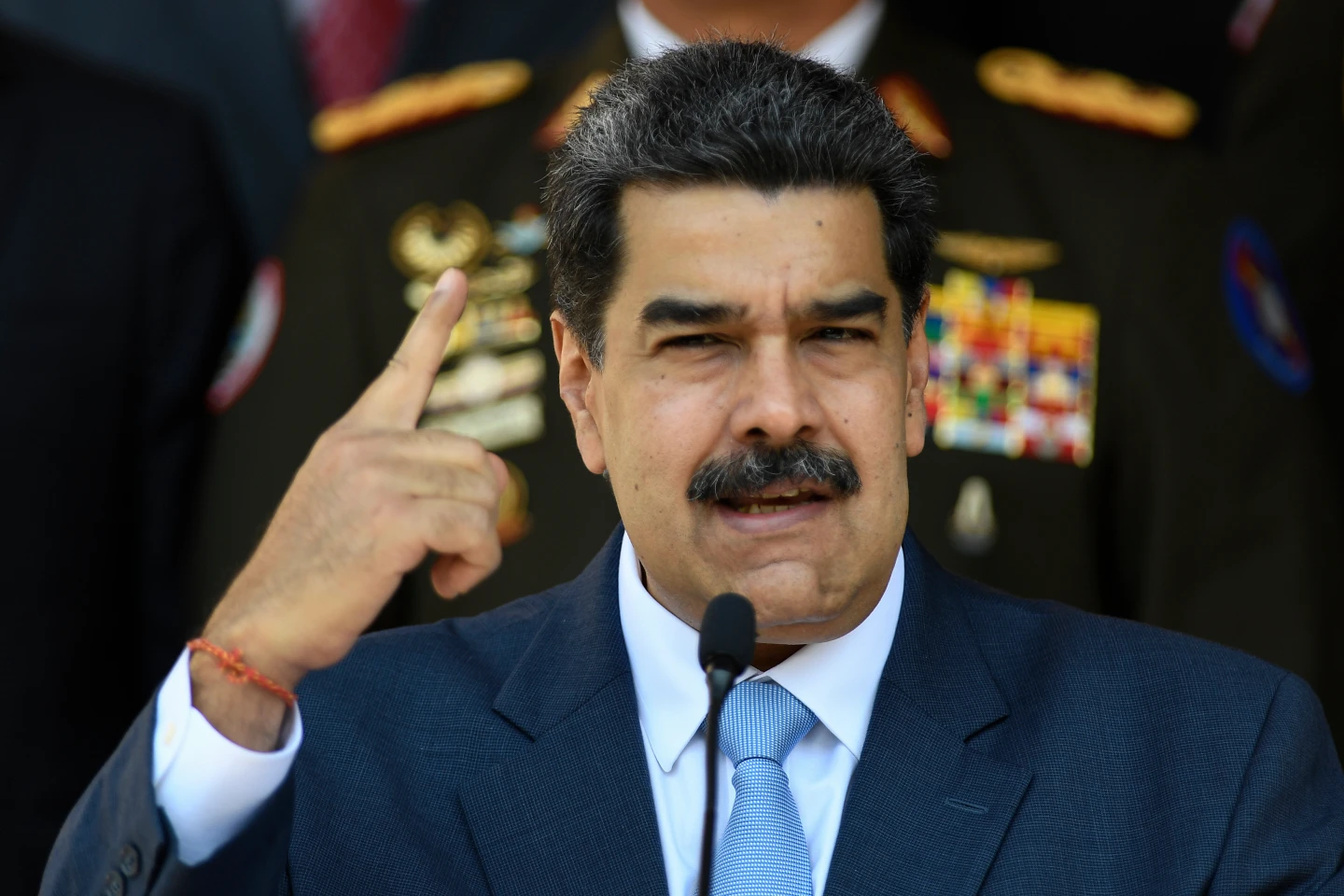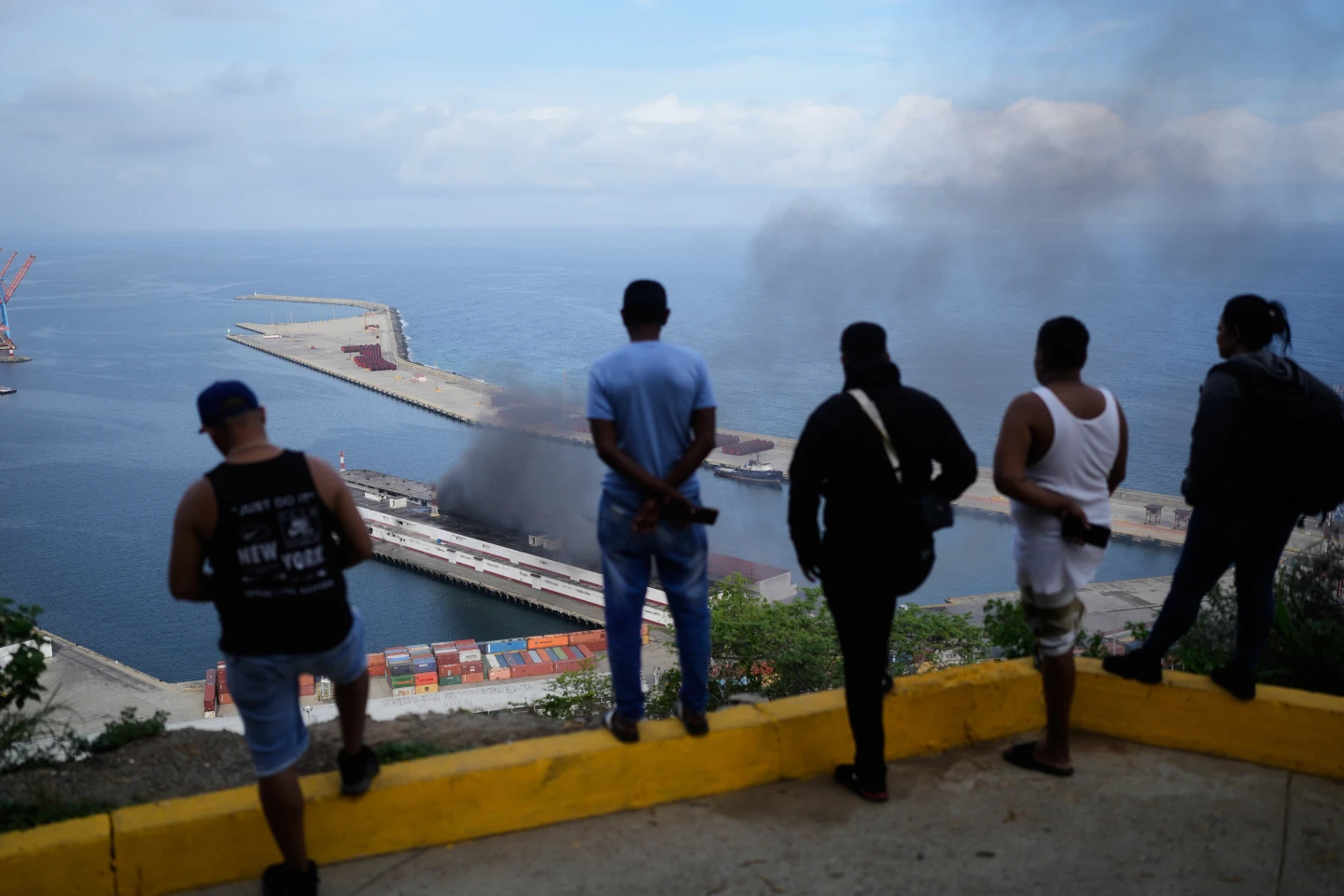
CARACAS, Venezuela (AP) — The dramatic military operation that removed Nicolás Maduro from power raises significant questions about the future of Venezuela and the role of the United States in the region. Following the operation, President Donald Trump declared that the U.S. will temporarily manage the country and utilize its vast oil reserves.
After the operation concluded, Trump addressed reporters, emphasizing the importance of restoring Venezuela's oil infrastructure to facilitate selling oil to other nations. Meanwhile, Venezuela's acting government denounced the U.S. for its actions, maintaining that Maduro is the rightful leader of the country.
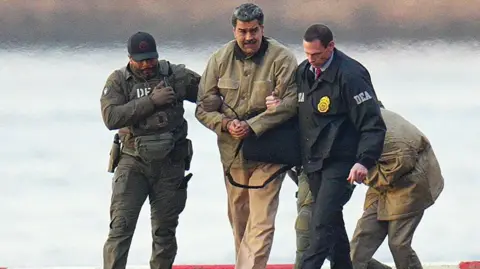
In a series of events that could reshape diplomatic relations, Maduro and his wife were reportedly relocated to a U.S. warship, facing criminal charges in the U.S. related to a narco-terrorism conspiracy that allegedly funneled cocaine to American streets. This incident highlights the tension between U.S. government actions and previously voiced concerns related to sovereignty and interventionism.
The operation was characterized by an extensive buildup of U.S. military forces in the vicinity of Venezuela, and followed months of secret preparation which included targeted strikes against Venezuelan cartel-operated vessels in Caribbean waters. Legal experts are already questioning the legitimacy of the U.S. intervention without explicit congressional approval.
“This operation raises critical concerns over U.S. adherence to international law and the precedent it might set for future actions,” stated Connecticut Rep. Jim Himes. “We have not seen sufficient evidence justifying this use of force.”
Trump's announcement sparked mixed reactions within Venezuela, leading to an immediate uproar amongst pro-Maduro supporters while simultaneously triggering celebrations among Venezuelans in South Florida and other areas. The long-term impact of the U.S. military presence remains uncertain as Caracas grapples with its political identity during this transitional state.
Amid charging streets, Vice President Delcy Rodríguez publicly rejected the legitimacy of the intervention, rallying supporters in a bid to restore Maduro's leadership. “Our president is Nicolás Maduro, we will not accept foreign interventions!” she shouted at a state-sponsored rally.
As the situation unfolds, both local and international observers await further developments in Venezuela’s political landscape and potential ramifications for U.S.-Latin American relations.