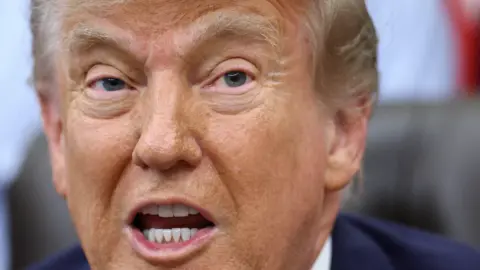
The U.S. will run Venezuela until a safe, proper and judicious transition can be ensured, Donald Trump stated after U.S. strikes led to the capture of President Nicolas Maduro. Trump indicated that U.S. oil companies would intervene to repair Venezuela's broken infrastructure and start generating revenue for the country.
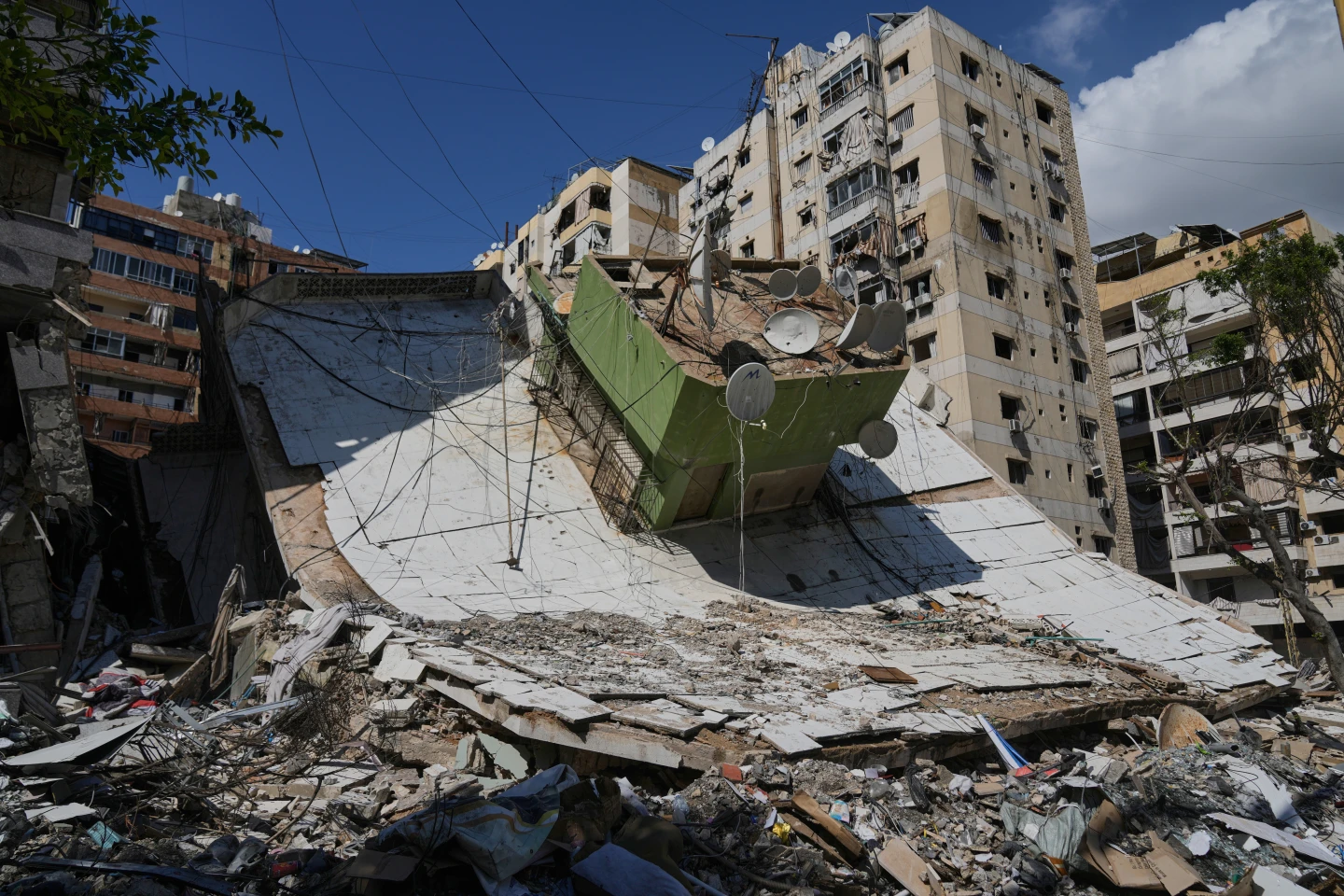
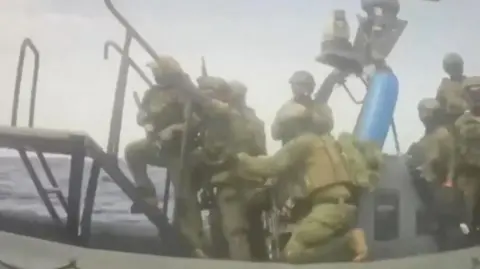
The U.S. operation took place on Saturday morning, resulting in the removal of Maduro and his wife, Cilia Flores, from Venezuela. The country swiftly condemned the military action, declaring a state of national emergency, while the vice president insisted that Maduro remained their only leader.
Maduro and Flores were hastily evacuated from Caracas by U.S. forces. Subsequent reports revealed that they were transported to the USS Iwo Jima and subsequently taken to Guantanamo Bay before being moved to New York, where they face serious charges, including conspiracy to commit narco-terrorism.
U.S. Attorney General Pam Bondi announced that Maduro's forthcoming legal proceedings would demonstrate the strength of American justice. Despite previous assertions from Maduro denying cartel affiliations, the U.S. has articulated its aim to leverage Venezuela's extensive oil resources following Trump's comments that the oil business had been a bust for too long.
While the details of \(how\) the U.S. would effectively manage Venezuela are unclear, Trump referred to collaboration with members of the Venezuelan government. However, Rodriguez, the country's vice president, insisted on state television that Maduro is still the legitimate leader of Venezuela and that they are prepared to assert their sovereignty.
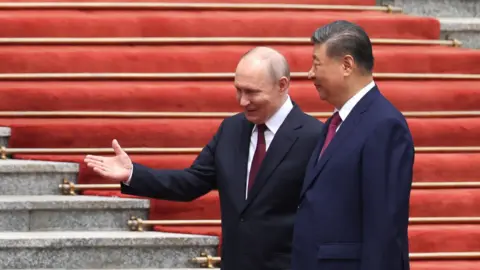
Responses to the U.S. actions have varied globally. While Russia and China condemned the strikes as acts of aggression against a sovereign nation, some Latin American leaders expressed support for the U.S. intervention. The shift in control over Venezuela poses significant geopolitical implications, prompting discussions regarding stability and the nation's oil-driven future.
The U.S. operation took place on Saturday morning, resulting in the removal of Maduro and his wife, Cilia Flores, from Venezuela. The country swiftly condemned the military action, declaring a state of national emergency, while the vice president insisted that Maduro remained their only leader.
Maduro and Flores were hastily evacuated from Caracas by U.S. forces. Subsequent reports revealed that they were transported to the USS Iwo Jima and subsequently taken to Guantanamo Bay before being moved to New York, where they face serious charges, including conspiracy to commit narco-terrorism.
U.S. Attorney General Pam Bondi announced that Maduro's forthcoming legal proceedings would demonstrate the strength of American justice. Despite previous assertions from Maduro denying cartel affiliations, the U.S. has articulated its aim to leverage Venezuela's extensive oil resources following Trump's comments that the oil business had been a bust for too long.
While the details of \(how\) the U.S. would effectively manage Venezuela are unclear, Trump referred to collaboration with members of the Venezuelan government. However, Rodriguez, the country's vice president, insisted on state television that Maduro is still the legitimate leader of Venezuela and that they are prepared to assert their sovereignty.
Responses to the U.S. actions have varied globally. While Russia and China condemned the strikes as acts of aggression against a sovereign nation, some Latin American leaders expressed support for the U.S. intervention. The shift in control over Venezuela poses significant geopolitical implications, prompting discussions regarding stability and the nation's oil-driven future.