
In brief
The U.N. Security Council held an emergency meeting in response to a U.S. military operation in Venezuela that resulted in the capture of President Nicolás Maduro. U.N. Secretary-General Antonio Guterres raised concerns about violations of international law, with various ambassadors criticizing the action and its potential to destabilize international relations. U.S. representatives defended the operation, framing it as a necessary action against a 'narco-terrorist'. The incident raises questions about U.S. interventions and the broader geopolitical implications in Latin America.
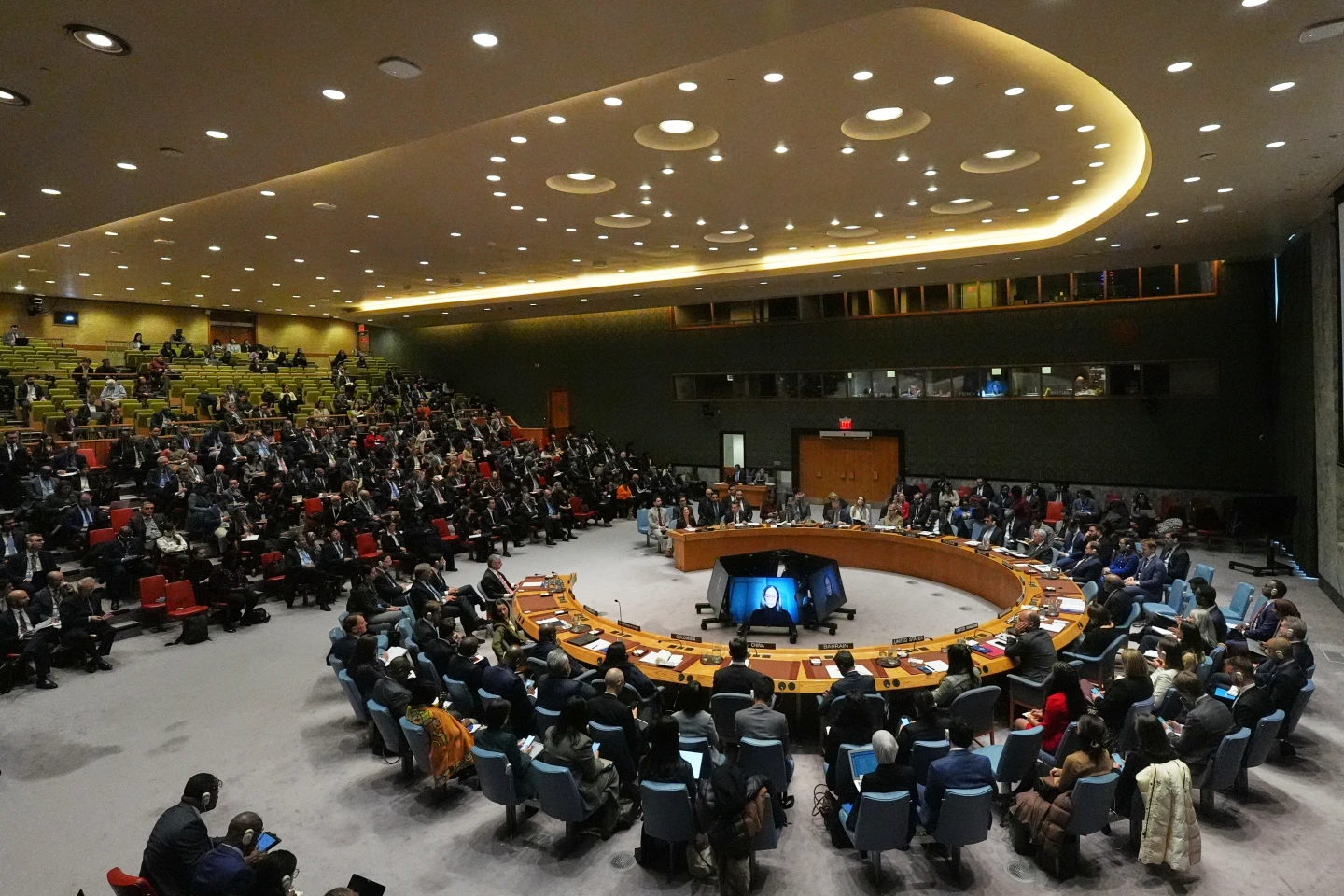
UNITED NATIONS (AP) — The U.N. Security Council held an emergency meeting Monday after an audacious U.S. military operation in Venezuela over the weekend to capture leader Nicolás Maduro, with the United Nations’ top official warning that America may have violated international law.
Both allies and adversaries blasted President Donald Trump’s intervention, signaling a potential expansion of military action against drug trafficking in countries like Colombia and Mexico. Remarks included warnings against enforcement of U.S. interests over international law.
U.N. Secretary-General Antonio Guterres expressed deep concern over the U.S. actions, citing the potential damaging precedent it sets for international relations.
Denmark echoed these sentiments, emphasizing that “the inviolability of borders is not up for negotiation,” underscoring how no state should influence political outcomes through threats of violence.
The U.S. defended their actions, which lead to the detainment of Maduro under a narco-terrorism indictment, asserting a justification for their military presence in the region and the ongoing operations against drug trafficking.
The geopolitical implications of this event have prompted critical discussions regarding international law and military intervention, with representatives from various nations emphasizing the need for respect towards sovereignty and legislative processes.
As such, this operation has not only stirred international critics but also spurred questions about the path forward for U.S. foreign policy in Latin America.

