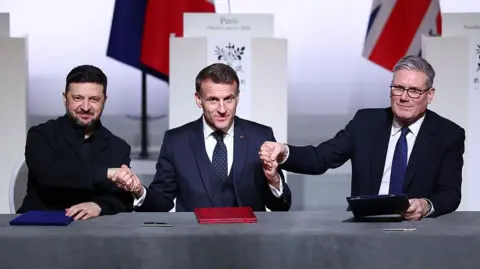
Earlier today, the so-called Coalition of the Willing, largely made up of European leaders, met in Paris with envoys of US President Donald Trump, to try to make further progress on a sustainable peace deal for Ukraine.
With Ukraine's President Volodymyr Zelensky insisting a plan to end the war with Russia is '90% of the way there', no-one in that room wanted to jeopardise keeping the Americans onboard.
However, an immense elephant loomed over the glittering Paris meeting, creating an atmosphere of tension.
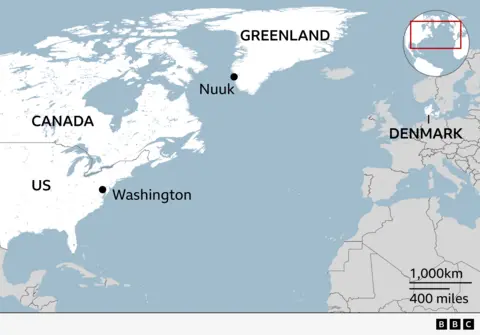
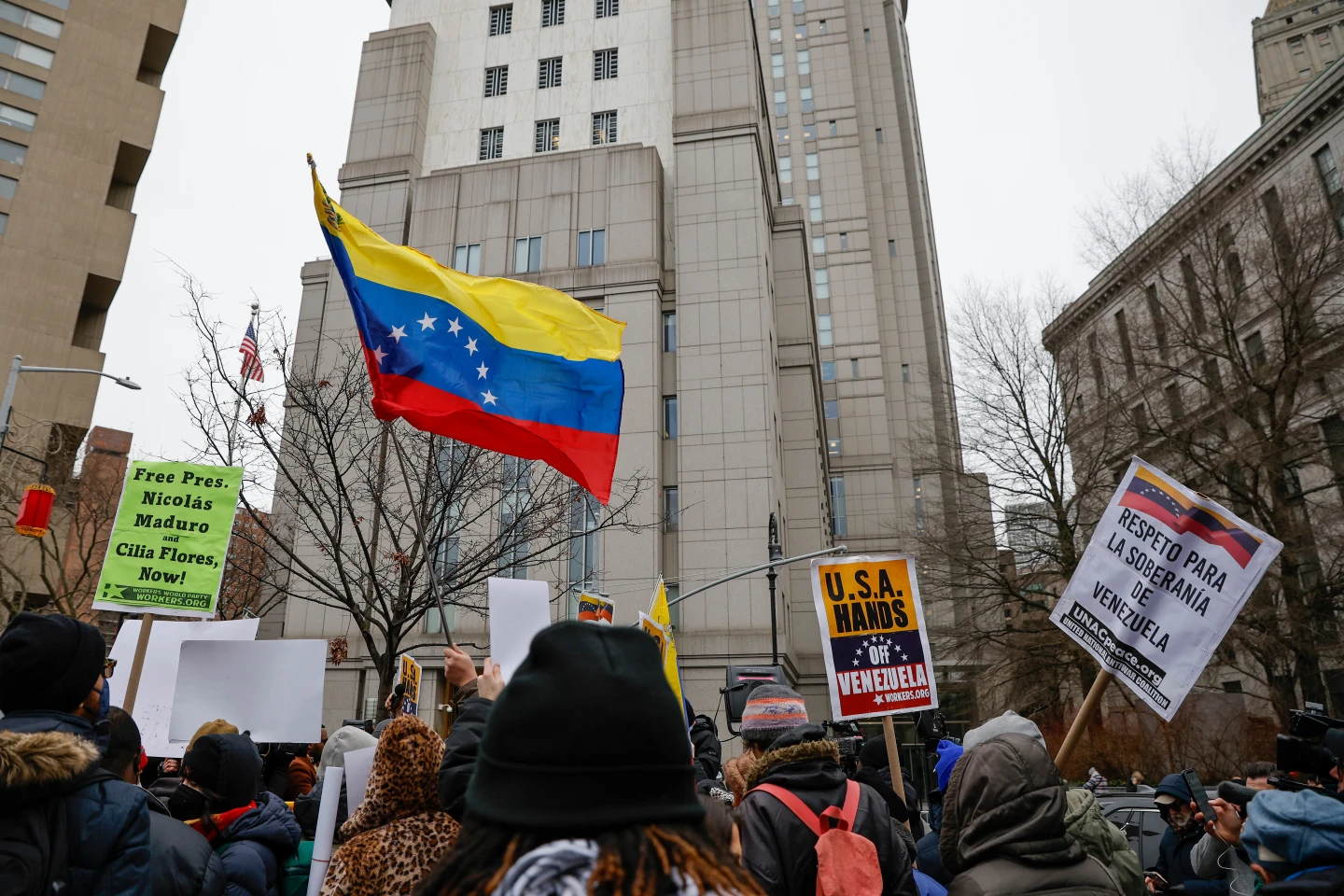
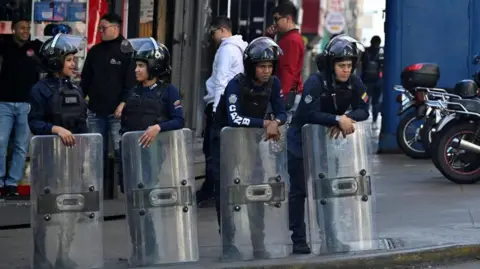
Recall the events of the last few days: the Trump administration's controversial intervention in Venezuela and the US president's claim that 'we need Greenland from the standpoint of national security'.
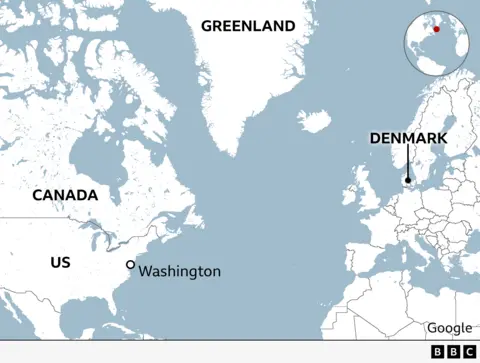
Greenland, the world's largest island, is an autonomous territory of Denmark. As the meeting progressed, Denmark's Prime Minister, Mette Frederiksen, found herself opposite two powerful representatives from Trump's administration, Steve Witkoff and Jared Kushner.
Amid pressure from her colleagues, Frederiksen was cautioned to avoid antagonizing the US, concerned that it might jeopardize US support for Ukraine.
European leaders preferred to keep Greenland and the Ukraine negotiations separate, but increasing political tensions led to a unified statement emphasizing, 'Greenland is part of NATO. Security in the Arctic must therefore be achieved collectively, in conjunction with NATO allies, including the United States.'
It was later noted that the statement would benefit from broader support. Criticism emerged regarding its drafting process and the insufficient number of signatories, highlighting a lack of unity among European nations.
Speaking to media, Camille Grande from the European Council on Foreign Relations emphasized that a unified statement from all 27 EU nations would have conveyed a stronger message to Washington, affirming support for Danish sovereignty.
European leaders, under pressure to engage the Trump administration while withstanding Trump's authoritative stance, found themselves in a precarious situation. Tensions escalated as countries grappling with the doubts about NATO's future amidst aggressive external forces faced pressures from the US.
Trump's recent comments indicated a strategic view of Greenland concerning US national security, despite Denmark pledging substantial investments in Greenland's defense capabilities.
A deeper analysis shows that the dynamics in play are reflective of Europe’s ongoing challenges in the face of a shifting geopolitical landscape where the American leadership under Trump increasingly tests transatlantic alliances.