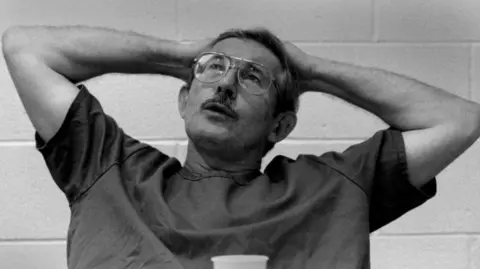
Aldrich Ames, a CIA officer who became one of America's most damaging double agents, has died aged 84. The former counterintelligence officer, who was serving a life sentence without the possibility of parole, died on Monday at the Federal Correctional Institution in Cumberland, Maryland, CBS News reported.
Ames was jailed on 28 April 1994 after he admitted to selling secret information to the Soviet Union and later Russia. He compromised more than 100 clandestine operations and divulged the identities of more than 30 agents spying for the West - leading to the deaths of at least 10 CIA intelligence assets.
Seeking money to pay debts, Ames began providing the KGB with the names of CIA spies in April 1985, receiving an initial payment of $50,000. Known to the KGB by the code name Kolokol (The Bell), he identified virtually all of the CIA's spies in the Soviet Union, earning a significant reward.
Over the course of nine years, Ames admitted receiving a total of about $2.5 million from the Soviet Union for his betrayal. This money fueled a lavish lifestyle, allowing him to purchase a new Jaguar and a $540,000 house despite his annual salary never exceeding $70,000.
Ames's 31-year career at the CIA began when his father, an analyst at the agency, helped him land a job after he dropped out of college in 1962. His personal life began to unravel with struggles related to alcohol, which worsened during his tenure in Mexico City in the early 1980s, where he met his second wife, Maria del Rosario Casas Dupuy, a cultural attaché and CIA asset implicated as his accomplice.
Despite earlier concerns over his drinking and several security violations, Ames rose to lead the CIA's Soviet counterintelligence department. However, he faced escalating debts, which led him to sell classified information. His treachery culminated in his arrest on 21 February 1994 following a comprehensive mole hunt.
Ames cooperated with authorities, leading to a lenient plea deal for his second wife, who admitted knowledge of his actions. CIA Director at the time, R. James Woolsey, condemned Ames, stating he betrayed his country for personal gain, which resulted in grave consequences for many agents.
}