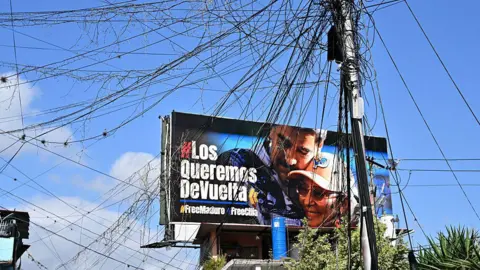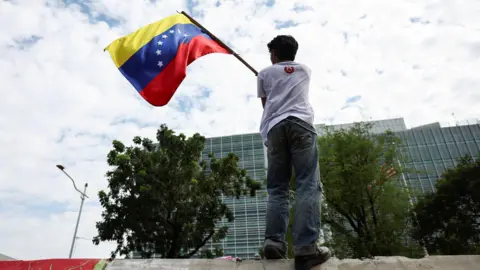
In the days since Nicolás Maduro's seizure, Venezuelans are coming to terms with an uncertain future as a new reality begins to set in.
Marcelo, a student based in Caracas, welcomes Maduro's ousting but exercises caution in his celebration. There are still allies of Maduro that are in power, so there are a few reasons why we don't celebrate outside our houses, he expresses, acknowledging that many are happy with the recent developments.
However, fear grips many others. Numerous individuals approached by the BBC shared their hesitance to speak openly against the regime due to concerns for their safety, even as they express the hope that Maduro's imprisonment signals change.
Rosa Contreras, a supporter of Maduro, voices her dismay over the manner of his removal, feeling humiliated by the United States. It seems so easy how they took our president away, she laments.
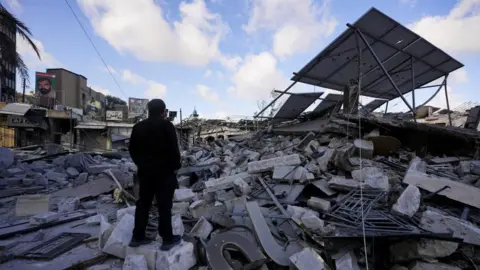
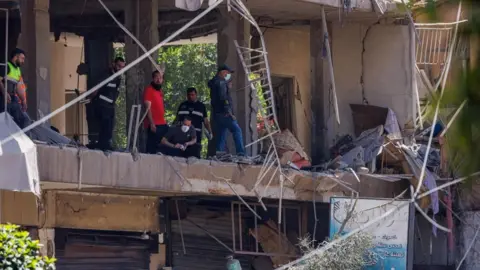
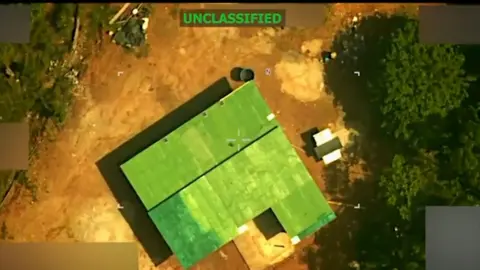
The ramifications of Maduro's ousting have triggered fears of violence because dozens are reported dead from the operation that led to his capture, while interim president Delcy Rodríguez instills little confidence among critics.
Signs of instability are evident; police patrol the streets, and journalists face detainment as government forces exert control. Rosa's declaration at a rally illustrated a rift between support and opposition, stating that Maduro's resolve inspires her to stand firm for him.
Despite this, the view that Maduro's seizure may not bring about substantial change resonates with many. They took the leader out but the regime is the same, so in that sense, nothing has really changed, stated José, a 60-year-old resident.
As citizens navigate their trepidations, some express hope that if the U.S. runs the country effectively, it could lead to a stable transition. In contrast, sentiments of fear ripple through neighborhoods, exacerbated by armed supporters of the regime on the streets.
Concerns about political repression linger, with citizens recalling violent responses to past anti-government protests. One entrepreneur reflected on the armed military presence and uncertainty of future peace, saying, There's so much fear in the streets and in our homes.