Iran's Nationwide Protests Highlight Deepening Discontent
Mass protests across Iran reveal widespread discontent against the clerical regime, fueled by economic hardships and rampant corruption.
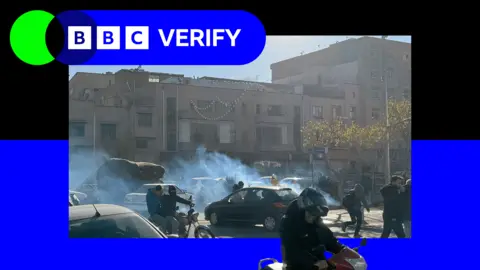
Protests have erupted in at least 17 of Iran's 31 provinces, representing the largest challenge to the country's clerical establishment since 2022. A BBC analysis verified by video footage indicates that demonstrations have occurred in over 40 towns and cities nationwide, reflecting a deep-seated dissatisfaction with the government's handling of the economy and skyrocketing currency devaluation.
These protests began on December 28 when unrest spread from Tehran, prompted by the Iranian rial's devaluation against the dollar. Verified footage has shown significant demonstrations occurring in regions that previously showed strong loyalty to the regime, including cities like Qom and Mashhad.
Experts highlight that the unrest, driven by escalating economic grievances and government corruption, signals a broader public dissatisfaction. As the protests grow, their tone has shifted increasingly against state authority, with chants directly targeting Supreme Leader Ayatollah Ali Khamenei, reflecting a desire for systemic change.
Authorities have responded with force, leading to numerous clashes. Reports indicate at least 35 deaths linked to recent protests, including security personnel, prompting international concerns over a potential crackdown reminiscent of previous violent responses to dissent. Civil rights groups fear that the heavy-handed approach could escalate tensions further, putting a strain on the government’s already tenuous stability.
As protests continue, it remains uncertain whether the current unrest will lead to significant political change, as many experts believe the regime's loyalty from security forces remains intact. However, the increasing frequency and intensity of protests highlight a critical moment in Iran's sociopolitical landscape, necessitating close observation and analysis.