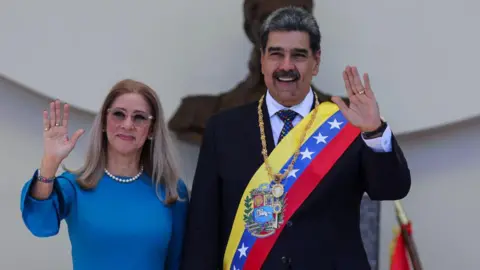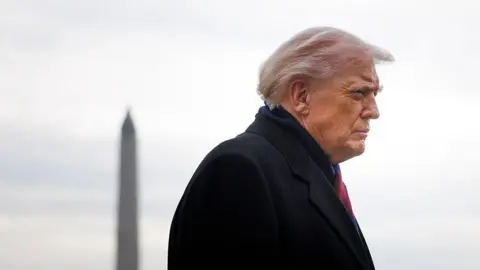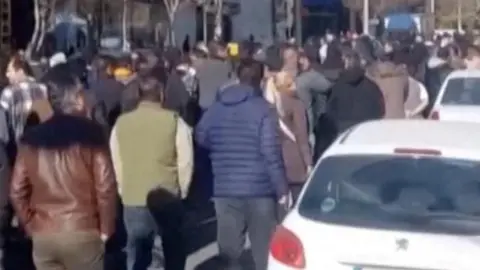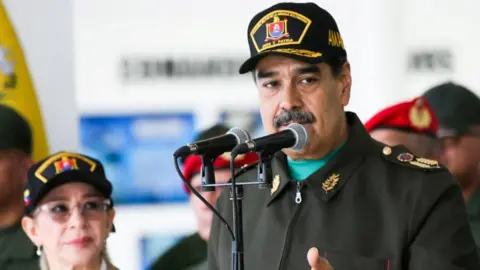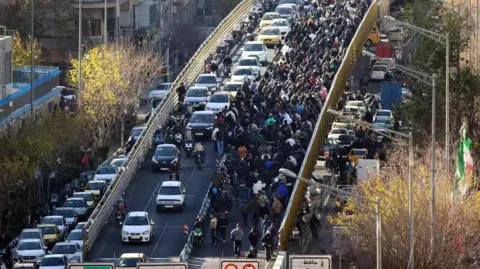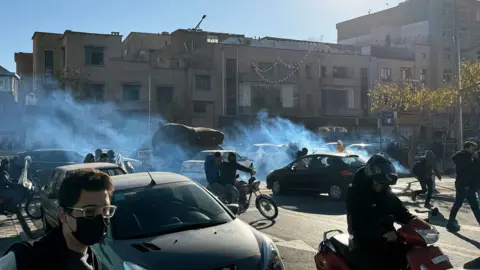
Iran is no stranger to street protests, but several factors surrounding the current unrest make it particularly serious. Monday marks the ninth day since demonstrations broke out, yet even four or five days were enough for President Trump to issue a direct warning to Iranian leaders over the treatment of protesters, saying the US was locked and loaded. This was followed by a US special forces operation targeting Nicolás Maduro in Venezuela and a second warning on Sunday.
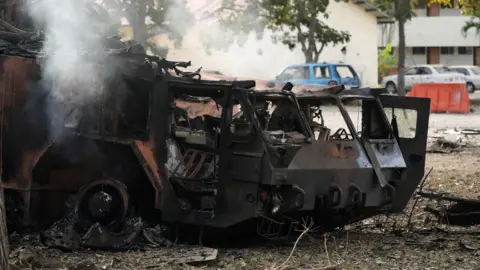
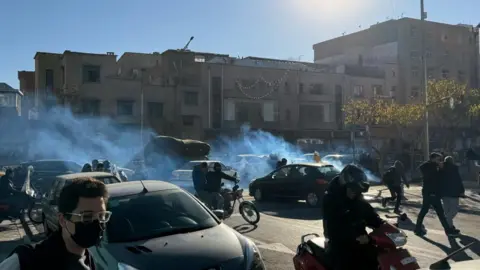
Such direct and potential threats from a sitting US president, issued while protests are still ongoing, are highly unusual and may embolden demonstrators and encourage the unrest to spread further. Iranian police and security forces have responded with violence from the outset, with human rights reports claiming over 20 fatalities. Eyes now turn to Trump's potential response.
The protests began peacefully on Sunday, December 28, as public anger over rampant inflation and a staggering devaluation of the local currency erupted. The Iranian economy is in deep distress, with official annual inflation at about 42%, food inflation exceeding 70%, and some basic goods reportedly surging by over 110% in price.
International sanctions led by the United States have played a substantial role in exacerbating these economic conditions, yet they are not fully to blame. High-profile corruption scandals involving senior officials have fueled public outrage and perceptions that parts of the ruling elite are exploiting the crisis for personal gain.
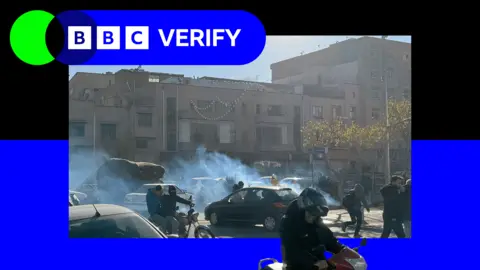
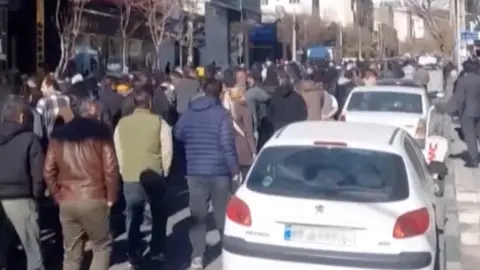
Merchants in Tehran's Grand Bazaar were the first to protest, closing shops and demanding government action to stabilize the economy. Economic frustrations quickly morphed into political demands, including calls to abolish the Islamic Republic itself. Students and small business owners soon joined the protests, echoing anti-government sentiments familiar to Iranians, who recall the widespread unrest ignited by the death of Mahsa Amini in custody of the morality police.
Although the current unrest has spread rapidly, it has not yet achieved the intensity of previous nationwide protests. With journalists facing immense restrictions, much of the information about the protests is derived from social media and individual accounts, complicating verification efforts.
This backdrop adds gravity to the prevailing situation, as Iran's government appears to be at its weakest in decades, contending with domestic unrest alongside a rapidly changing regional landscape.