In brief
In South Africa, an estimated 10,000 stateless people navigate life without birth certificates, rendering them invisible and without access to essential services. This article delves into the story of Arnold Ncube, who, despite being born in Johannesburg, cannot prove his citizenship as he lacks official documentation. The global crisis of statelessness affects millions, necessitating urgent policy changes to ensure rights and recognition for those living on society's margins.
Invisible Lives: The Stark Reality of Statelessness in South Africa
Many people may take their birth certificate, or similar official papers, for granted - hidden in a drawer and rarely seeing the light of day - but for those without one, it can lead to a shadow life or an uncertain existence.
This is thought to affect millions of people around the world, described as stateless, and 25-year-old South African Arnold Ncube is one of those.
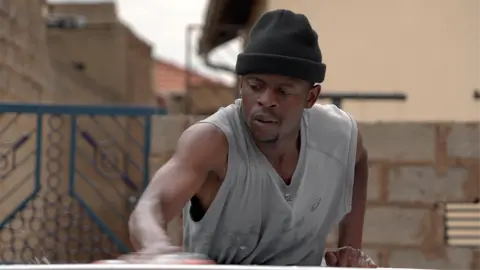
Without state-issued documents, washing cars in the backstreets of Thembisa township near Johannesburg is one of the few ways he can make a living. Born in Johannesburg to a South African father, Arnold should qualify for citizenship, but the absence of his birth certificate has made it impossible for him to prove it.
After being abandoned by his parents, he found himself unable to register for secondary school, leading to a life of struggle and limited opportunities. It's a painful thing, he admits, expressing feelings of invisibility and despair over his situation.
Arnold is not alone; an estimated 10,000 stateless individuals live in South Africa, unable to access education and healthcare due to their lack of documentation. This issue is compounded by poor record-keeping and administrative barriers, leading many to fall through the cracks of society.
Human rights advocates emphasize that citizenship is not a privilege but a fundamental right necessary for a dignified life. Christy Chitengu, a lawyer who once faced statelessness herself, underscores the importance of recognizing stateless children to provide them a chance for a brighter future.
Globally, there are around 4.5 million stateless people, and experts agree that tackling this crisis requires significant policy changes, including registration rights for children born to refugees. Addressing statelessness is essential for ensuring inclusion and enabling individuals to contribute fully to their communities.
Arnold now has a lawyer assisting him in obtaining the documentation he needs to reclaim his life and hopes to return to school to study computer science, illustrating the persistent fight for recognition and opportunity among stateless individuals.