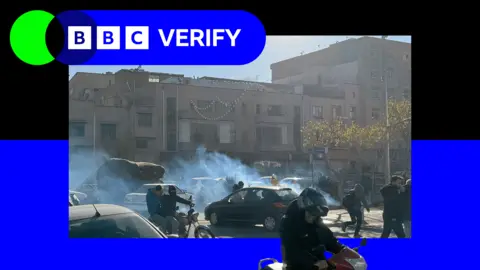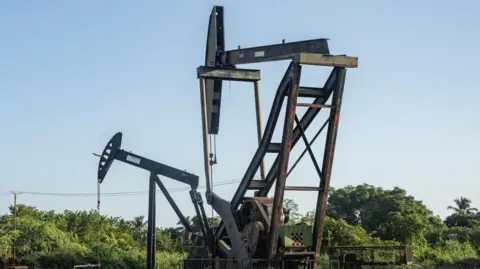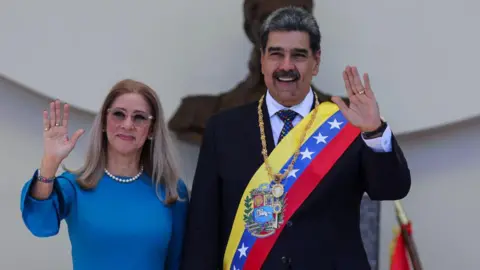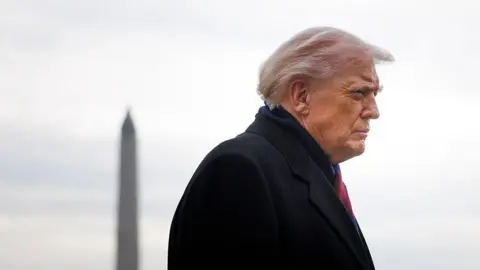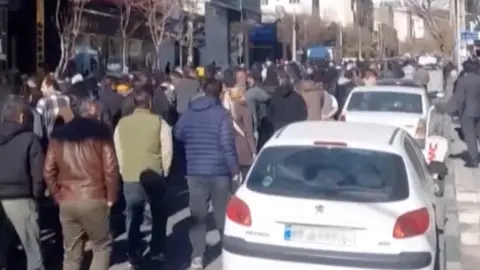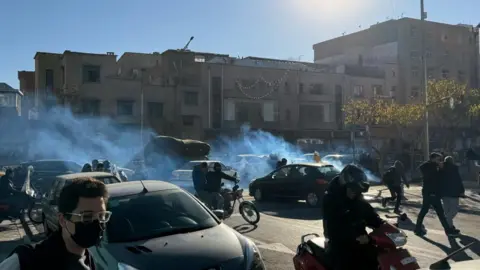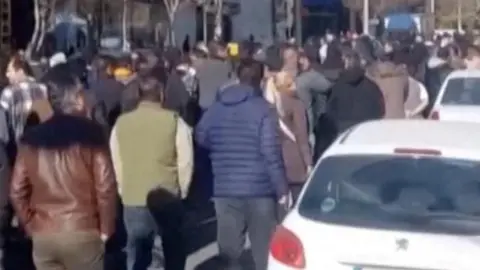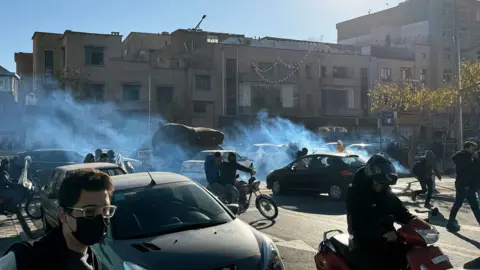
Iran is no stranger to street protests, but several factors surrounding the current unrest make it particularly serious. Monday marks the ninth day since demonstrations broke out, yet even four or five days were enough for President Trump to issue a direct warning to Iranian leaders over their treatment of protesters, stating the U.S. was 'locked and loaded'. This warning, coupled with a U.S. special forces operation against Nicolás Maduro in Venezuela, further escalates tensions and may embolden demonstrators.
Violent responses from Iranian police and security forces have already resulted in over 20 fatalities. The protests began peacefully on December 28, driven by public anger over soaring inflation and sharp currency devaluation, with unofficial rates now standing at about 80% higher than a year ago. Iran's economic stability appears shattered, with annual inflation around 42% and food prices exceeding 70%.
While international sanctions led by the U.S. worsen economic conditions, high-profile corruption among government officials has intensified public resentment. Many Iranians accuse 'Sanctions Profiteers'—individuals who exploit the crisis through special arrangements—for exacerbating their struggles.
Originally sparked by economic grievances, the protests quickly became political, broadening calls for the removal of the Islamic Republic. Students, merchants, and ordinary citizens joined the outcry, reminiscent of past unrest, particularly the 2022 protests following Mahsa Amini's death in police custody. While the current demonstrations have not yet matched the scale of those uprisings, they represent a significant challenge to the regime, indicating that opposition may pose a serious threat at a time when Iran appears to be at its weakest.
Recent international conflicts, notably the 2025 Iran-Israel war, have significantly damaged Iran’s military and economic infrastructure. Following the fall of regional allies like Bashar al-Assad and increased U.S. operations in Venezuela, Iran's geopolitical standing has further deteriorated. As conditions worsen both domestically and internationally, the Iranian government, led by an increasingly isolated Ali Khamenei, faces mounting pressure with few clear paths to resolve the crisis.
Violent responses from Iranian police and security forces have already resulted in over 20 fatalities. The protests began peacefully on December 28, driven by public anger over soaring inflation and sharp currency devaluation, with unofficial rates now standing at about 80% higher than a year ago. Iran's economic stability appears shattered, with annual inflation around 42% and food prices exceeding 70%.
While international sanctions led by the U.S. worsen economic conditions, high-profile corruption among government officials has intensified public resentment. Many Iranians accuse 'Sanctions Profiteers'—individuals who exploit the crisis through special arrangements—for exacerbating their struggles.
Originally sparked by economic grievances, the protests quickly became political, broadening calls for the removal of the Islamic Republic. Students, merchants, and ordinary citizens joined the outcry, reminiscent of past unrest, particularly the 2022 protests following Mahsa Amini's death in police custody. While the current demonstrations have not yet matched the scale of those uprisings, they represent a significant challenge to the regime, indicating that opposition may pose a serious threat at a time when Iran appears to be at its weakest.
Recent international conflicts, notably the 2025 Iran-Israel war, have significantly damaged Iran’s military and economic infrastructure. Following the fall of regional allies like Bashar al-Assad and increased U.S. operations in Venezuela, Iran's geopolitical standing has further deteriorated. As conditions worsen both domestically and internationally, the Iranian government, led by an increasingly isolated Ali Khamenei, faces mounting pressure with few clear paths to resolve the crisis.