
In brief
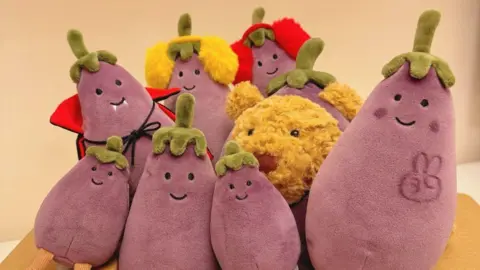
Jellycat, a British plush toy brand, has seen remarkable success in China, particularly during the pandemic. The company's appeal stems from its cuddly designs and relatable themes that resonate with a disenchanted youth. From pop-up events to tailored products, Jellycat has capitalized on a growing market for collectibles, becoming a favorite among 'kidults' looking for emotional comfort amid economic challenges.
Stella Huang bought her first Jellycat plush toy when she lost her job during the pandemic. A school friend was a fan of the British-designed toys and told her all about them. But she only fell in love with the brand when she saw a gingerbread house plushie on the Chinese social media app RedNote.
Christmas is not widely celebrated in China, and is more of a commercial event than anything more traditional. The festival doesn't mean a lot to me... But I always like the sight of gingerbread houses, she says. It was then that she asked her friend in their hometown Guangzhou to buy it for her.
That was in 2021, just as Jellycat was about to make it big in China and around the world. Everyone felt jittery, and no one knew what would happen, says Stella, who developed a habit of petting and squeezing her plushies since Covid. Now 32, she has a collection of 120 toys valued at about 36,000 yuan ($5,145; £3,815), reflecting the emotional comfort these toys provide amidst life’s complexities.
Jellycat's Appeal to 'Kidults'
Jellycat's range includes the popular Amuseable line, designed to appeal to older audiences. Statista analyst Kasia Davies suggests these toys cater to millennials and Gen Z, who are seeking comfort through nostalgia and companionship. Localisation strategies, like themed pop-up shops in China, have also fueled their success.
In 2024, Jellycat's revenue rose to £333 million ($459 million), with approximately $117 million from the Chinese market, highlighting a larger trend of young adults seeking collectible toys for emotional solace amidst social and economic uncertainties.
A Trend Amid Challenges
Despite its success, some fans report less discussion around Jellycat on social media, with alternatives like "blind boxes" gaining popularity. Concerns about affordability amid economic malaise were echoed by fans who find Jellycat items more accessible compared to luxury goods. As young people navigate a tough job market, Jellycat's nostalgic charm provides a welcome escape.

