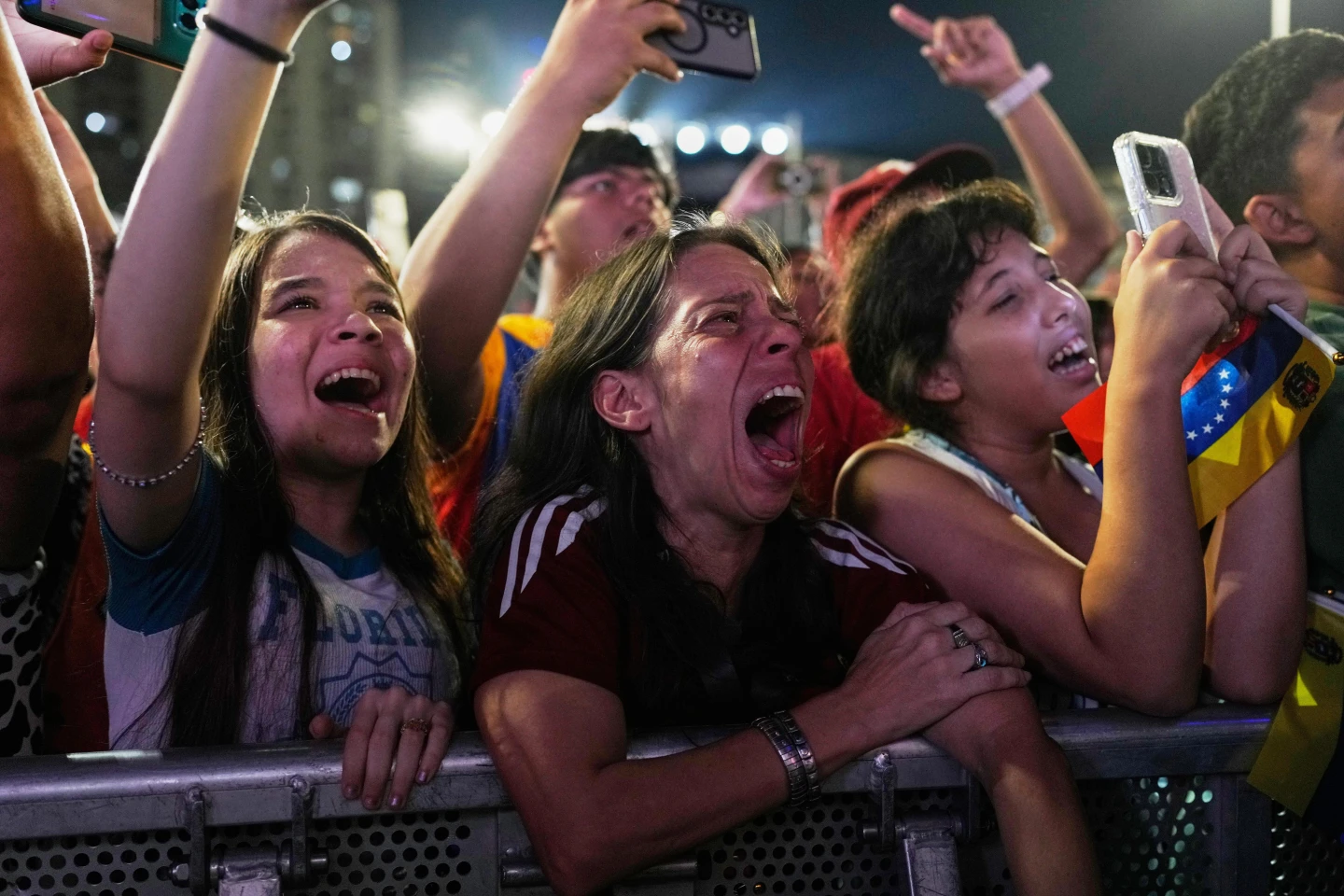
US President Donald Trump has said that his country's involvement in Venezuela could last for years. He told the New York Times that 'only time will tell' how long his administration would 'oversee' the running of the South American nation following the seizure by US forces of Venezuelan leader Nicolás Maduro in a raid on Saturday. Trump also did not say if or when elections would be held in Venezuela to replace the interim government headed by Maduro loyalist Delcy Rodríguez. Meanwhile, Venezuelan opposition leader María Corina Machado said the ouster of Maduro had set off an 'irreversible process' that would lead Venezuela to be 'free'.
New York Times journalists quizzed Trump on his plans for the future of Venezuela days after he had said his administration would run the oil-rich nation. Earlier on Wednesday, the White House had said that the US would control sales of sanctioned oil 'indefinitely'. US Energy Secretary Chris Wright argued that the US needed control over Venezuela's oil sales for leverage over the interim government in Caracas.
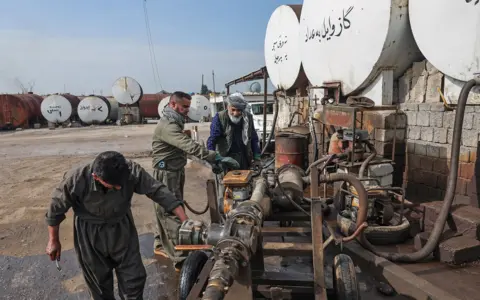
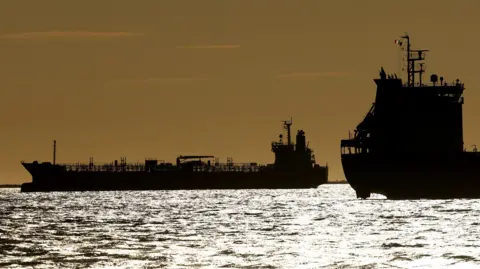
Trump said his administration would be 'taking oil' from Venezuela, which has the world's largest proven reserves, but acknowledged it would 'take a while' to get the country's oil industry up and running. Venezuelan oil production has plummeted as a result of mismanagement on the part of the Maduro government and that of his predecessor, as well as years of US sanctions.
Trump told the NYT that US Secretary of State Marco Rubio was 'in constant communication' with Rodríguez, who was designated as Venezuela's interim leader by the country's Supreme Court, which is dominated by Maduro loyalists. He added that Rodríguez is 'giving us everything that we feel is necessary.'
The US president had earlier said that the interim government had agreed to use the proceeds from the sale of its oil to buy only US-made goods. According to the NYT reporters, Trump did not answer their questions about why he recognised Rodríguez as Venezuela's new leader.
Many Venezuela analysts had expected that the ouster of Maduro would be followed swiftly by the return to the country of opposition leaders Edmundo González and María Corina Machado. But in his first news conference following the US raid, Trump was dismissive about Machado, alleging that she lacked the 'respect' and support to lead Venezuela.
She managed to unite opposition groups behind her ahead of the 2024 presidential election but was barred from running for the presidency by officials loyal to the Maduro government. Machado recently stated that the ousting of Maduro had placed Venezuela on a path to freedom, insisting that the new phase of transition should be 'as short and swift as possible'.
She has not been alone in calling for the release of political prisoners, a critical step in the eyes of many Venezuelans. As the US administration moves forward with its plans, topics of how to navigate Venezuela's future, including its elections, remain pressing issues.
New York Times journalists quizzed Trump on his plans for the future of Venezuela days after he had said his administration would run the oil-rich nation. Earlier on Wednesday, the White House had said that the US would control sales of sanctioned oil 'indefinitely'. US Energy Secretary Chris Wright argued that the US needed control over Venezuela's oil sales for leverage over the interim government in Caracas.
Trump said his administration would be 'taking oil' from Venezuela, which has the world's largest proven reserves, but acknowledged it would 'take a while' to get the country's oil industry up and running. Venezuelan oil production has plummeted as a result of mismanagement on the part of the Maduro government and that of his predecessor, as well as years of US sanctions.
Trump told the NYT that US Secretary of State Marco Rubio was 'in constant communication' with Rodríguez, who was designated as Venezuela's interim leader by the country's Supreme Court, which is dominated by Maduro loyalists. He added that Rodríguez is 'giving us everything that we feel is necessary.'
The US president had earlier said that the interim government had agreed to use the proceeds from the sale of its oil to buy only US-made goods. According to the NYT reporters, Trump did not answer their questions about why he recognised Rodríguez as Venezuela's new leader.
Many Venezuela analysts had expected that the ouster of Maduro would be followed swiftly by the return to the country of opposition leaders Edmundo González and María Corina Machado. But in his first news conference following the US raid, Trump was dismissive about Machado, alleging that she lacked the 'respect' and support to lead Venezuela.
She managed to unite opposition groups behind her ahead of the 2024 presidential election but was barred from running for the presidency by officials loyal to the Maduro government. Machado recently stated that the ousting of Maduro had placed Venezuela on a path to freedom, insisting that the new phase of transition should be 'as short and swift as possible'.
She has not been alone in calling for the release of political prisoners, a critical step in the eyes of many Venezuelans. As the US administration moves forward with its plans, topics of how to navigate Venezuela's future, including its elections, remain pressing issues.