The Ongoing Impact of Tariffs on the Global Economy: A 2026 Outlook
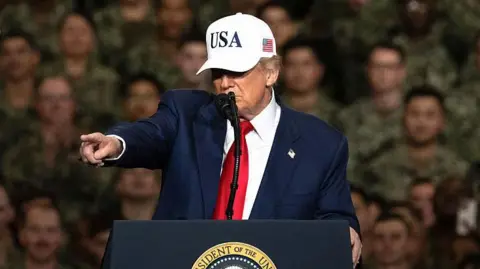
President Trump's obsession with tariffs continues to shape the global economic landscape as we move into 2026. He recently reinforced their perceived benefits in a pre-Christmas address, claiming they create jobs and drive growth within the U.S.
While the usefulness of tariffs is debated, the International Monetary Fund (IMF) acknowledges that these measures have significantly impacted global trade dynamics, forecasting a decrease in global growth rate to 3.1%, down from earlier predictions of 3.3%.
IMF Head Kristalina Georgieva remarked that the current growth figures are insufficient to sustain global aspirations for better living standards, pointing out that growth has receded from a pre-COVID average of 3.7%.
Notably, some forecasts predict an even more pessimistic growth outlook for 2026. Maurice Obstfeld from the Peterson Institute for International Economics suggests that the tariff situation could have been worse had countries fiercely retaliated against U.S. policies. However, China did impose its own measures, forcing the U.S. to reconsider its stance quickly.
Despite ongoing tariff disputes, the U.S. manufacturing sector still faces rising operational costs and market uncertainties, making future business planning challenging.
The reality is that while the immediate impacts of tariffs have lacked disastrous consequences, the long-term effects will linger, shaping not only American but also global economic strategies moving forward.
As global trade value increased by 7% last year amid these frictions, the UN trade agency UNCTAD noted that global trade reached a record high of over $35 trillion. However, Obstfeld points out that tariff exemptions introduce unpredictable challenges that complicate international trade negotiations.
As countries like the UK, South Korea, and Japan navigate the complexities of U.S. tariffs and strive for favorable trade agreements, the international economic landscape will undoubtedly continue to evolve.
The dynamics of the U.S. economy, now showing signs of resilience with a 4.3% quarterly growth, underline the ongoing relevance and contentiousness of tariffs. Economists suggest that U.S. tariffs have contributed to inflation rates and impacted consumer spending, critical factors driving the global economy.
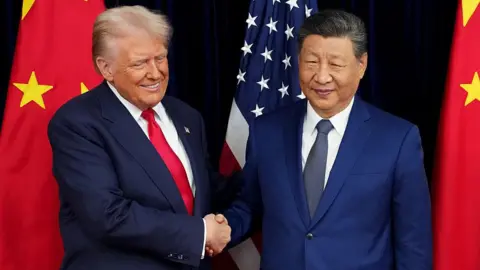
As the year progresses, the world watches closely how trade negotiations, particularly those between the U.S. and China, will unfold, shaping a future fraught with both opportunity and uncertainty.