Uganda's Pivotal Election: Museveni vs. Bobi Wine
As Ugandans go to the polls next week they are faced with a choice of propelling a leader into his fifth decade in power or backing a candidate seeking to capitalise on the desire for change from some quarters. President Yoweri Museveni, 81, in office since 1986, is aiming for a seventh successive election victory. His main challenger, pop-star-turned-politician Bobi Wine, 43, has promised a revolution in governance and sweeping reforms.
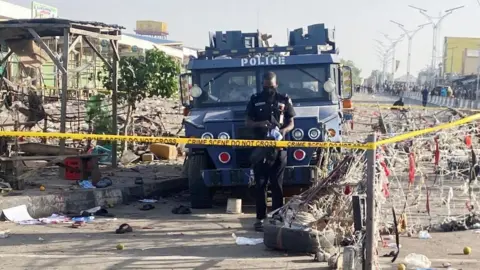
Campaigning has been marked by the disruption of opposition activities, including the detention of activists and the breaking-up of rallies by police. With high rates of youth unemployment in a country where the majority of the population is under 30, the economy has become a key concern in the campaign.
When is Uganda's general election?
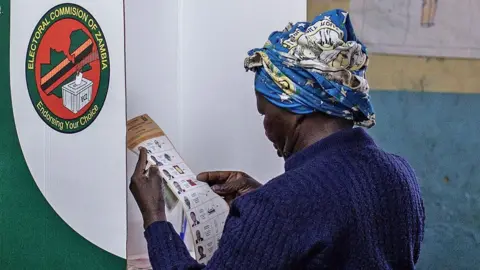
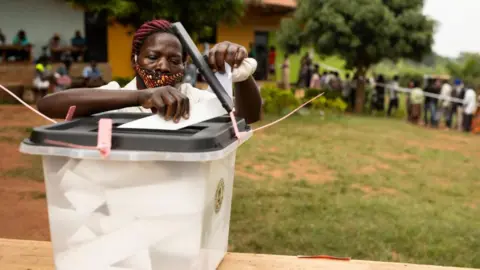
Polling is scheduled for Thursday 15 January. Polls are due to open at 07:00 local time (04:00 GMT) and close at 16:00. Anyone in the queue at that time will be allowed to vote.
What are Ugandans voting for?
The 21.6 million registered voters will be taking part in three elections:
- Presidential - there are eight candidates to choose from
- Parliamentary (1) - 353 constituency MPs will be elected
- Parliamentary (2) - 146 women representatives will be elected
Who could be the next president?
Museveni and Bobi Wine are the two front-runners. This is the second time they are facing off at the ballot box, with the president winning the 2021 poll under controversial circumstances. Growing accusations of human rights abuses have contrasted with his long-standing position as a stabilizing force in Uganda. On the other hand, Bobi Wine, often called the “ghetto president,” represents youth aspirations and has faced significant adversity in his political journey.
As the election draws near, critical voter concerns include economic stability, job availability, and pervasive government corruption. Observers remain skeptical about the electoral integrity, with reports of police repression against opposition supporters.
These elections may define Uganda’s political future, with implications for governance and the rule of law in the years to come.