Kristy Hallowell had just lost her job when her energy bill unexpectedly tripled to $1,800 a month. Unable to pay, her gas and electricity were cut off and she, her two children, and her mother spent six months of last year relying on a generator to light and heat their house.
The 44-year-old is one of millions of Americans falling behind on their energy bills as prices have soared over the past year. The electricity is now back on at her home in Greenwood Lake, New York, after a local non-profit helped reach an agreement with the utility to accept a partial payment.
However, the gas is still off, and electricity bills keep mounting this winter, leaving her in fear of another shut-off. She mentioned that she now has about $3,000 in utility debt, adding, This has been traumatic, to say the least.
Nearly one in 20 households are at risk of having their utility debt sent to collections heading into the winter months, according to a recent report. The number of households with severely overdue utility debt rose by 3.8% in the first six months of Trump's second term, as rising residential energy bills have emerged as a critical cost-of-living concern among American consumers, with many expressing discontent with the economic handling by U.S. President Donald Trump.
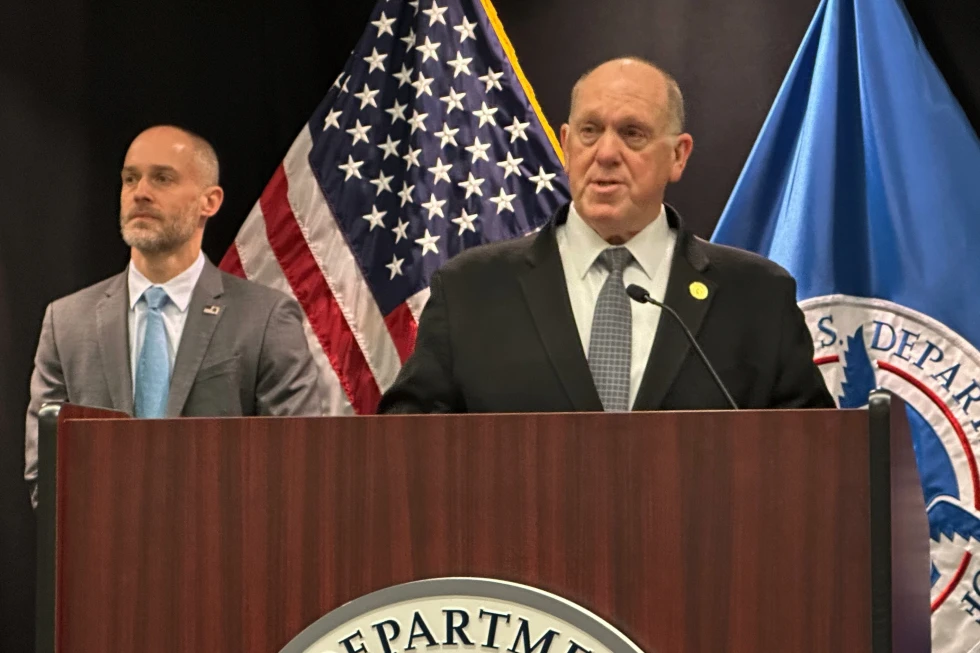
Official economic data shows electricity prices rose 6.9% from the year before, surpassing overall inflation rates. The White House has attributed persistent economic pain to actions taken during President Biden's administration and interest rate policies of the U.S. central bank.
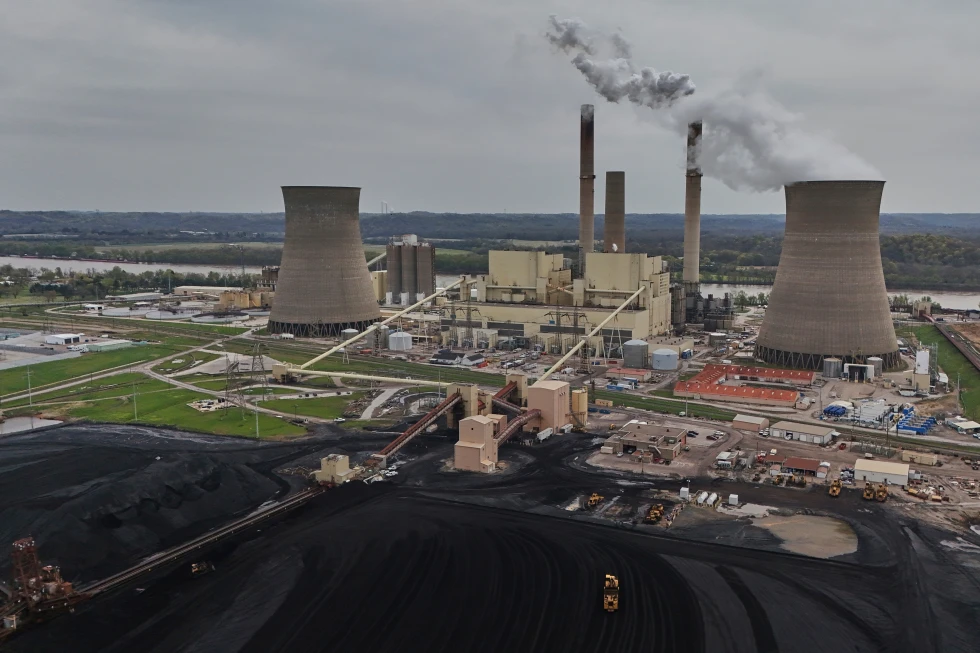
Experts feel that the administration's rollback of clean energy projects, including the recent decision to pause offshore wind energy leases, could further drive up electricity bills. While many families brace for colder months and rising heating costs, attempts to change policy for greater utility support are becoming increasingly prominent as discussions about energy management evolve.
In states like Virginia and North Carolina, legislative measures are being considered to alleviate pressures on consumers, focusing on large energy consumers like data centers contributing more significantly to utility costs. As families struggle with rising expenses, the fight for affordable energy continues.