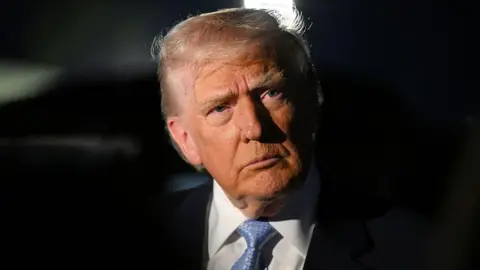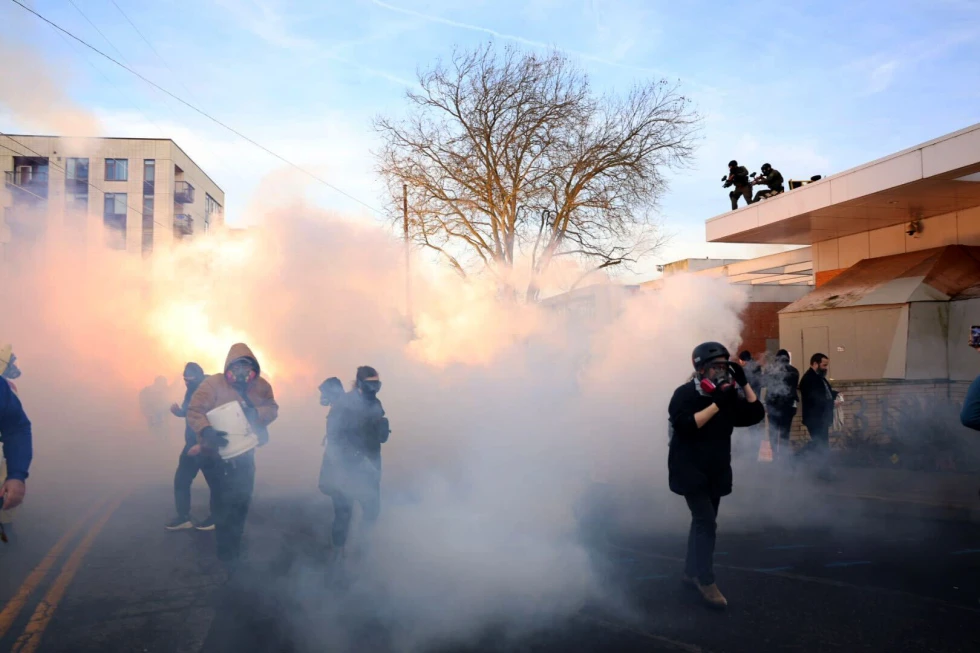
US President Donald Trump has announced that countries doing business with Iran will incur a 25% tariff on trade conducted with the United States. This restrictive measure comes amid a crackdown on anti-government protests in Iran, which has seen thousands feared dead.
Trump's announcement was made via his social media platform, Truth Social, stating, Effective immediately, any country doing business with the Islamic Republic of Iran will pay a tariff of 25% on any and all business being done with the United States of America. This order is final and conclusive. Thank you for your attention to this matter! Although the execution of this tariff remains unclear, it poses a potential dilemma for many nations involved in trade with Iran, primarily focusing on the implications for US-China relations.
China represents Iran's largest export partner, having purchased over $14 billion worth of goods from Iran in the past year. Other significant trading partners include Iraq, the UAE, and Turkey, which have steadily increased their import levels from Iran, particularly in fuel-related exports.
The proposal to impose tariffs is expected to reignite tensions between the US and China, especially considering the existing tariffs already imposed on Chinese goods, averaging 30.8%. How these tariffs will be implemented remains ambiguous, raising concerns over its enforcement and the legal framework that will support these measures.
Iran’s economy is reportedly suffering from the potential increase in tariffs and is already struggling with high inflation, mismanagement, and public unrest. Given these complexities, the ramifications of Trump's policy on trade with Iran could lead to broader geopolitical consequences, further complicating the global trade landscape.
Trump's announcement was made via his social media platform, Truth Social, stating, Effective immediately, any country doing business with the Islamic Republic of Iran will pay a tariff of 25% on any and all business being done with the United States of America. This order is final and conclusive. Thank you for your attention to this matter! Although the execution of this tariff remains unclear, it poses a potential dilemma for many nations involved in trade with Iran, primarily focusing on the implications for US-China relations.
China represents Iran's largest export partner, having purchased over $14 billion worth of goods from Iran in the past year. Other significant trading partners include Iraq, the UAE, and Turkey, which have steadily increased their import levels from Iran, particularly in fuel-related exports.
The proposal to impose tariffs is expected to reignite tensions between the US and China, especially considering the existing tariffs already imposed on Chinese goods, averaging 30.8%. How these tariffs will be implemented remains ambiguous, raising concerns over its enforcement and the legal framework that will support these measures.
Iran’s economy is reportedly suffering from the potential increase in tariffs and is already struggling with high inflation, mismanagement, and public unrest. Given these complexities, the ramifications of Trump's policy on trade with Iran could lead to broader geopolitical consequences, further complicating the global trade landscape.