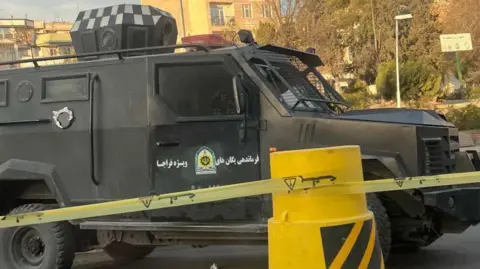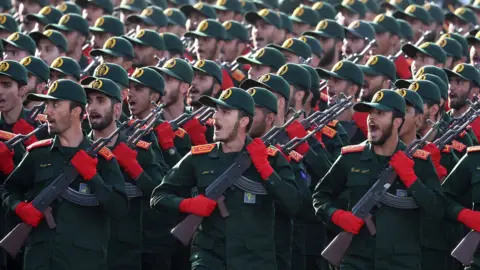
The European Union has added Iran's Islamic Revolutionary Guard Corps (IRGC) to its terrorist list in response to Tehran's deadly crackdown on protesters in recent weeks. Repression cannot go unanswered, the bloc's top diplomat Kaja Kallas said, emphasizing that this move equates the IRGC, a critical military and political entity in Iran, with jihadist groups like al-Qaeda and ISIS.
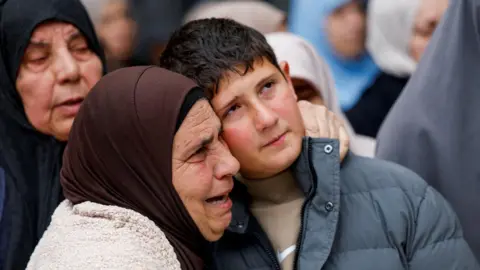
Iran's Foreign Minister, Abbas Araghchi, criticized the EU's decision as a stunt and a major strategic mistake. Human rights organizations have estimated thousands of protesters were killed during the unrest in December and January, sparked by widespread discontent against the Iranian regime.
French Foreign Minister Jean-Noel Barrot called it the most violent repression in Iran's modern history and stated there could be no impunity for the crimes committed.
The EU's determination followed a shift in France's position, previously reluctant to blacklist the IRGC out of fear of severing diplomatic relations with Iran. However, the pressure led by Italy prompted a reevaluation.
Kallas reaffirmed the EU's commitment to keep diplomatic avenues open despite the designation. Additionally, the EU imposed new sanctions on six entities and 15 Iranian individuals involved in the suppression of peaceful protests.
The IRGC, established post-1979 Iranian Revolution, is a dominant force within Iran, estimated to consist of around 190,000 active personnel and involved in both domestic compliance and external influence through support of allied governments and armed groups.
The move by the EU mirrors previous classifications by Australia, Canada, and the US, though the UK has yet to designate the IRGC as a terrorist organization. As tensions rise, Iran's military officials have warned they are prepared for immediate response to any aggression while accusing European powers of exacerbating regional tensions.
Iran's Foreign Minister, Abbas Araghchi, criticized the EU's decision as a stunt and a major strategic mistake. Human rights organizations have estimated thousands of protesters were killed during the unrest in December and January, sparked by widespread discontent against the Iranian regime.
French Foreign Minister Jean-Noel Barrot called it the most violent repression in Iran's modern history and stated there could be no impunity for the crimes committed.
The EU's determination followed a shift in France's position, previously reluctant to blacklist the IRGC out of fear of severing diplomatic relations with Iran. However, the pressure led by Italy prompted a reevaluation.
Kallas reaffirmed the EU's commitment to keep diplomatic avenues open despite the designation. Additionally, the EU imposed new sanctions on six entities and 15 Iranian individuals involved in the suppression of peaceful protests.
The IRGC, established post-1979 Iranian Revolution, is a dominant force within Iran, estimated to consist of around 190,000 active personnel and involved in both domestic compliance and external influence through support of allied governments and armed groups.
The move by the EU mirrors previous classifications by Australia, Canada, and the US, though the UK has yet to designate the IRGC as a terrorist organization. As tensions rise, Iran's military officials have warned they are prepared for immediate response to any aggression while accusing European powers of exacerbating regional tensions.