In brief
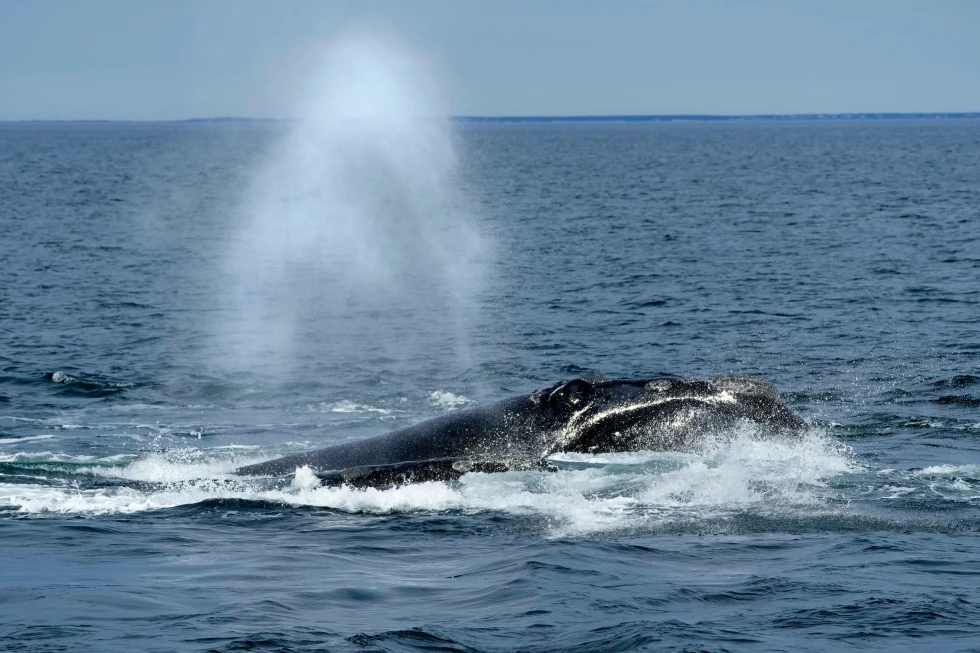
The National Oceanic and Atmospheric Administration's (NOAA) intent to introduce deregulatory changes to existing protections for the North Atlantic right whale has sparked outrage among environmental advocates. This decision comes on the heels of a confirmed death of a three-year-old female right whale, further emphasizing the urgency of these conservation measures. Critics argue that reducing vessel speed regulations could further endanger this species, which has dwindled to fewer than 400 individuals as it migrates between Florida, Georgia, and New England.
PORTLAND, Maine (AP) — The U.S. ocean regulator, NOAA, is set to announce a series of deregulatory measures intended to ease industry constraints while seeking to protect the endangered North Atlantic right whale, a species that has seen its population drop below 400. This decision has raised alarms among environmental organizations, especially in light of a recent report confirming the death of a three-year-old female right whale off Virginia. The animal died at an unusually young age, with its cause of death still under investigation.Currently, right whales benefit from vessel speed regulations intended to reduce the risk of collisions with ships, a significant threat to their survival. NOAA's proposed changes are described as a means to innovate whale protections, claiming to focus on reducing unnecessary economic burdens while ensuring effective conservation practices.Critics, including conservation groups, are voicing concerns that these changes could jeopardize existing protections at a time when the population is already critically low. The conservation community has responded to the recent death of the whale with urgency, urging for enhanced protective measures in place of a reduction in regulations. Jane Davenport, a senior attorney with Defenders of Wildlife, highlighted the precarious fate of the species, stating, We urgently need more right whale protections, not fewer.Historically, right whales migrate annually from calving areas along the Florida and Georgia coastlines to feeding zones off New England and Canada, facing numerous threats during their journey—including the risk of entanglement in commercial fishing gear and ship strikes. While the Biden administration aimed to expand slow zones for vessel traffic to bolster the population's chances for survival, those efforts were hampered in the last days of the administration when a proposal to strengthen regulations was withdrawn amidst public comment complexities.With pushback from marine industries, which describe speed regulations as outdated, there is significant contention around balancing commercial interests with conservation efforts for the vanishing right whale.