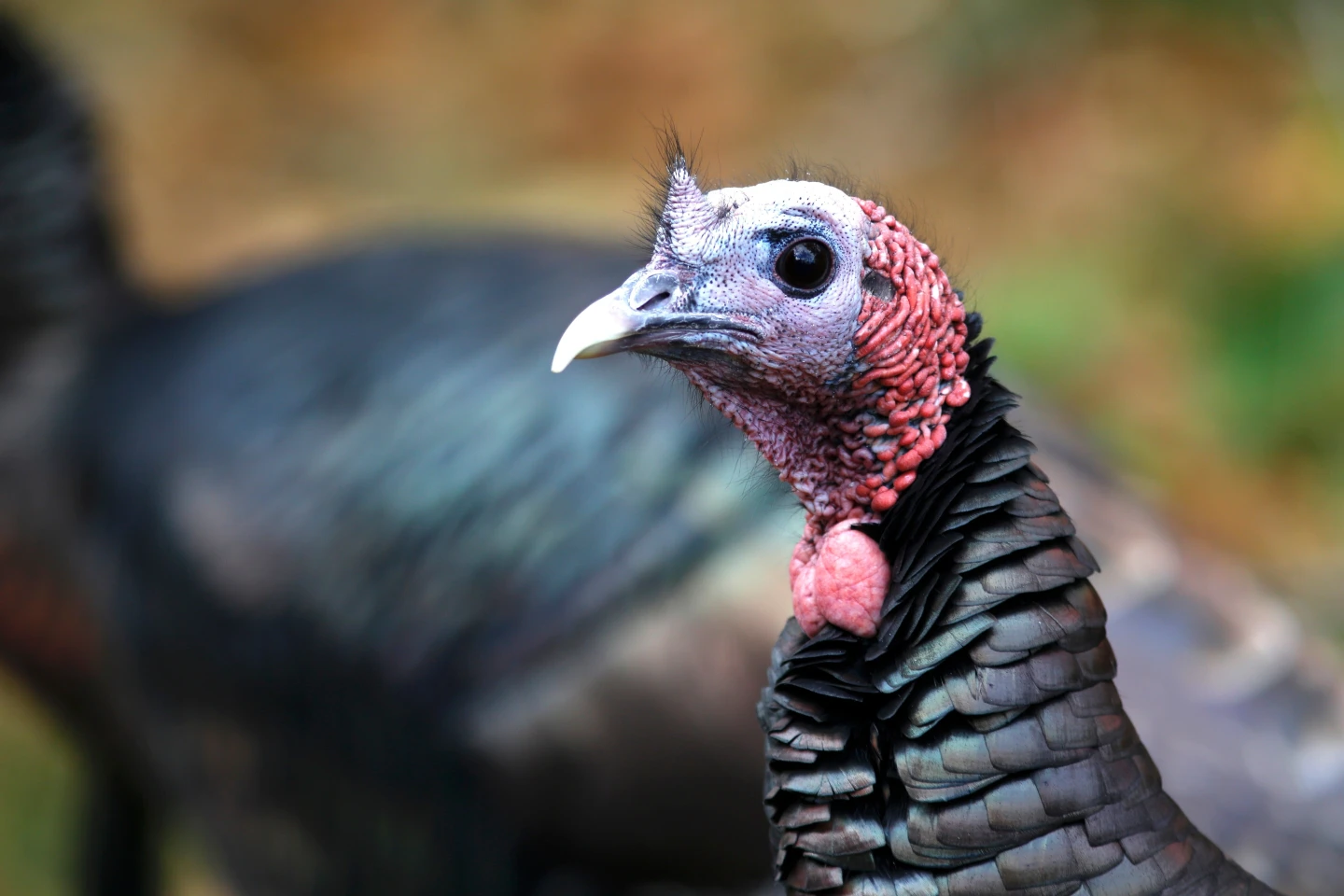
CONCORD, N.H. (AP) — Swapping turkeys for other wildlife might seem odd to many, yet it was once a staple part of North America's conservation efforts. As wild turkeys approached extinction, with populations plummeting to only a few thousand in the late 1800s, innovative strategies emerged to restore these birds. The National Wild Turkey Federation reports that the wild turkey population has rebounded to around 7 million across 49 states, Canada, and Mexico.
In numerous cases, this restoration depended on exchanges. For example, Oklahoma traded walleye and prairie chickens for turkeys from Arkansas and Missouri, while Colorado exchanged mountain goats for turkeys from Idaho. Ontario, Canada, obtained 274 turkeys through trades with various states, offering moose, river otters, and partridge in return.
Holly Morris, a furbearer and small game project leader in West Virginia, likened these trades to currency. “They were like our currency for all our wildlife that we restored," she stated, emphasizing the cooperative mission shared by different agencies involved.
In 1969, West Virginia sent 26 turkeys to New Hampshire in exchange for fishers, highlighting the inter-state collaboration that characterized these efforts. Despite the challenges, West Virginia's abundance of turkeys proved valuable for the restoration projects.
The early 1900s saw turkeys abundant across the U.S., but habitat destruction and hunting severely impacted their numbers. Initial restoration attempts in the 1940s and 50s, which involved raising turkeys on farms, were largely ineffective. Wildlife biologists eventually realized that capturing and relocating wild turkeys was the key to successful population growth.
New Hampshire faced its own challenges, with wild turkeys absent for over a century before receiving birds from West Virginia. Although those birds initially struggled during harsh winters, subsequent introductions from New York in 1975 yielded successful results. Today, careful management has led to a thriving population estimated at around 40,000, exceeding initial expectations.
Biologist Dan Ellingwood noted the adaptability of turkeys in response to changing environments, making them not only a conservation success story but also an important species in maintaining ecological balance. As turkeys regain their place in the ecosystem, their restoration has also facilitated the recovery of other wildlife species, showcasing the interconnectedness of conservation efforts through innovative strategies.