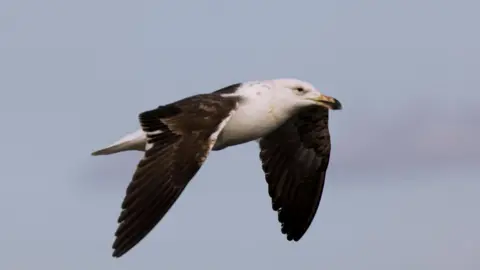
On a small boat in the Atlantic, about 27 nautical miles from South Africa's Cape Point, bird watchers are thrilled to witness seabirds like the black-browed albatross up close. These birds, however, face dire threats from commercial fishing practices.
The association of birds with fishing boats due to discarded fish parts can be deadly. Many albatrosses and other seabirds fall victim to long lines and nets, struggling for bait and getting caught. Conservationists are now focusing on decreasing these accidental deaths, termed bycatch.
Andrea Angel from BirdLife South Africa highlights that albatrosses, which can live half their lives at sea, are particularly vulnerable. With 15 out of the 22 albatross species globally threatened due to fishing activities, it's crucial to act.
The challenges are compounded by the mating practices of albatrosses, who only lay one egg every two years, making population recovery difficult when one partner is lost.
To counteract this, innovative solutions like bird-scaring lines are being utilized—a method originating from Japan—and BirdLife South Africa is working with disabled workers from the Ocean View Association to create these devices. This initiative not only aids in protecting albatrosses but also empowers local community members economically.
Since the Albatross Task Force's inception in 2004, there's been a remarkable 90% reduction in seabird deaths by southern African fisheries. The goal remains to expand these efforts globally to ensure the survival of these remarkable birds.