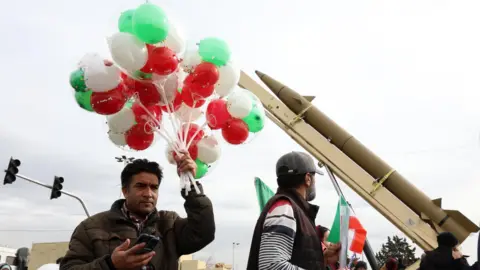
When clocks struck nine across Tehran on Tuesday, the night skies filled with sound in celebration of the 47th year of the Iranian revolution. We listened from our hotel balcony as chants of God is greatest rose from rooftops and roared from windows, while fireworks flared in a kaleidoscope of brilliant colors.
However, amidst this annual explosion of light and sound, a discordant note emerged. Death to the dictator could be heard from somewhere in the darkness of the city, echoing the extraordinary protests that swept across Iran last month, which were met with unprecedented force, resulting in substantial loss of life.
This marked our first visit to Iran since the protests, coinciding with the gradual lifting of a near-total internet blackout and the cautious return of a small number of international media to the country. The mood in the capital starkly contrasted with the aftermath of the conflict involving Israel last June, which had left many residents traumatized.
Now, Tehran, set against the stunning backdrop of snowy Mount Damavand, is adorned in flags and bunting to celebrate a period that synched with the beginning of a remarkable change in its history after the revolution that ousted the Shah.
Yet this year's festivities were unavoidably overshadowed by rising discontent related to soaring prices and calls for an end to clerical rule. These domestic pressures are aggravated by external political threats and economic strain stemming from long-standing sanctions and mismanagement, posing unprecedented challenges for Iran's aging theocracy.
Despite festivities, there are many who voice their economic grievances openly, from widespread high prices of essential goods to the lingering effects of the riots, which saw a violent crackdown on dissent.
In a stark reminder of Iran's complex emotions and struggles, the anniversary celebrations, filled with official enthusiasm, stand juxtaposed against the raw emotions of a populace craving change and stability.
However, amidst this annual explosion of light and sound, a discordant note emerged. Death to the dictator could be heard from somewhere in the darkness of the city, echoing the extraordinary protests that swept across Iran last month, which were met with unprecedented force, resulting in substantial loss of life.
This marked our first visit to Iran since the protests, coinciding with the gradual lifting of a near-total internet blackout and the cautious return of a small number of international media to the country. The mood in the capital starkly contrasted with the aftermath of the conflict involving Israel last June, which had left many residents traumatized.
Now, Tehran, set against the stunning backdrop of snowy Mount Damavand, is adorned in flags and bunting to celebrate a period that synched with the beginning of a remarkable change in its history after the revolution that ousted the Shah.
Yet this year's festivities were unavoidably overshadowed by rising discontent related to soaring prices and calls for an end to clerical rule. These domestic pressures are aggravated by external political threats and economic strain stemming from long-standing sanctions and mismanagement, posing unprecedented challenges for Iran's aging theocracy.
Despite festivities, there are many who voice their economic grievances openly, from widespread high prices of essential goods to the lingering effects of the riots, which saw a violent crackdown on dissent.
In a stark reminder of Iran's complex emotions and struggles, the anniversary celebrations, filled with official enthusiasm, stand juxtaposed against the raw emotions of a populace craving change and stability.