
In brief
Iran's President Masoud Pezeshkian has expressed the country's readiness to engage in negotiations with the United States following requests from neighboring governments. The talks, influenced by recent regional tensions and US threats regarding Iran's nuclear activities, will be pursued under the condition of a threat-free environment and national interest focus. The announcement aligns with a context of protests and military escalation in the region.
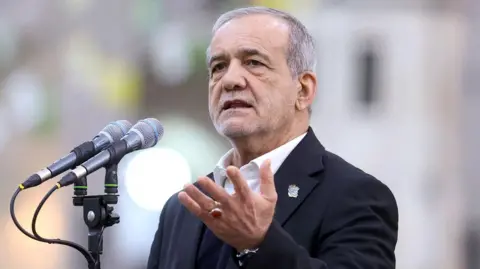
Iranian President Masoud Pezeshkian has stated Iran is prepared to negotiate with the US after requests from 'friendly governments in the region' asking Tehran to respond to a US proposal for talks.
In a statement made on X (formerly Twitter), Pezeshkian highlighted that he directed Iran's Foreign Minister Abbas Araghchi to pursue discussions, asserting the necessity for a favorable environment, free from threats and unreasonable expectations.
This announcement comes in the wake of a stern warning issued by Iran's supreme leader, Ayatollah Ali Khamenei, indicating that any assault on Iran would trigger a regional conflict.
US President Donald Trump has underlined the possibility of intervention regarding Iran's nuclear ambitions and its recent violent crackdown on protesters, reinforcing military buildup in the vicinity.
Pezeshkian emphasized that the negotiations would adhere strictly to Iran's national interests. According to reports, these discussions are slated to occur in Istanbul on Friday.
This diplomatic shift follows earlier statements by Araghchi in which he expressed confidence in reaching a diplomatic solution. Trump remarked that while negotiating could be desirable, failure might lead to dire consequences.
The US had previously executed targeted strikes against Iran's nuclear sites, which were also in reaction to large-scale operations from Israel against Iran's nuclear assets. Trump indicated a substantial military presence, including the deployment of aircraft carrier USS Abraham Lincoln.
The escalation of tensions follows extensive protests against the Iranian government, which have resulted in a significant loss of life, according to various human rights organizations that reported casualties higher than officially acknowledged.
As protests erupted due to harsh economic conditions, they evolved into broader demands for political reform, with reports suggesting that Iranian officials are recognizing a shift in public sentiment that erodes prior deterrence.

