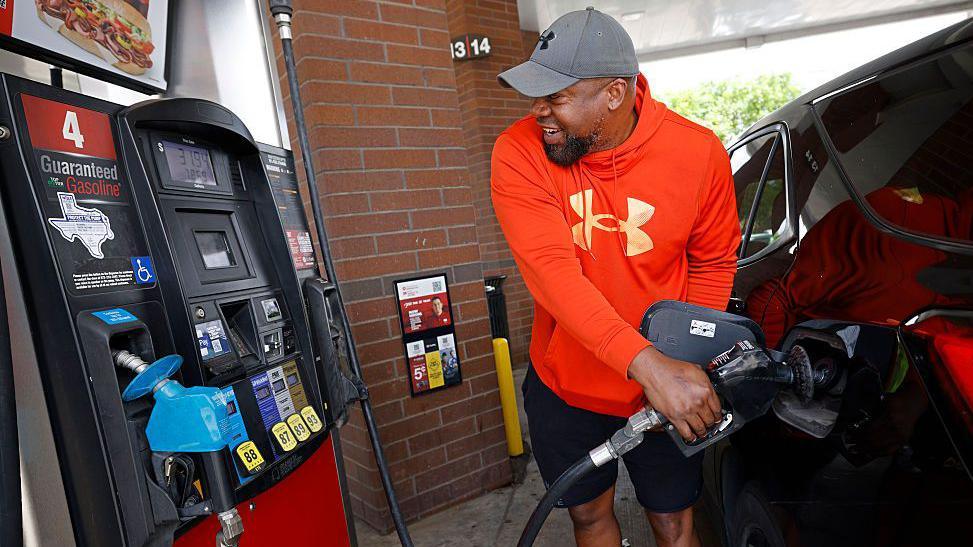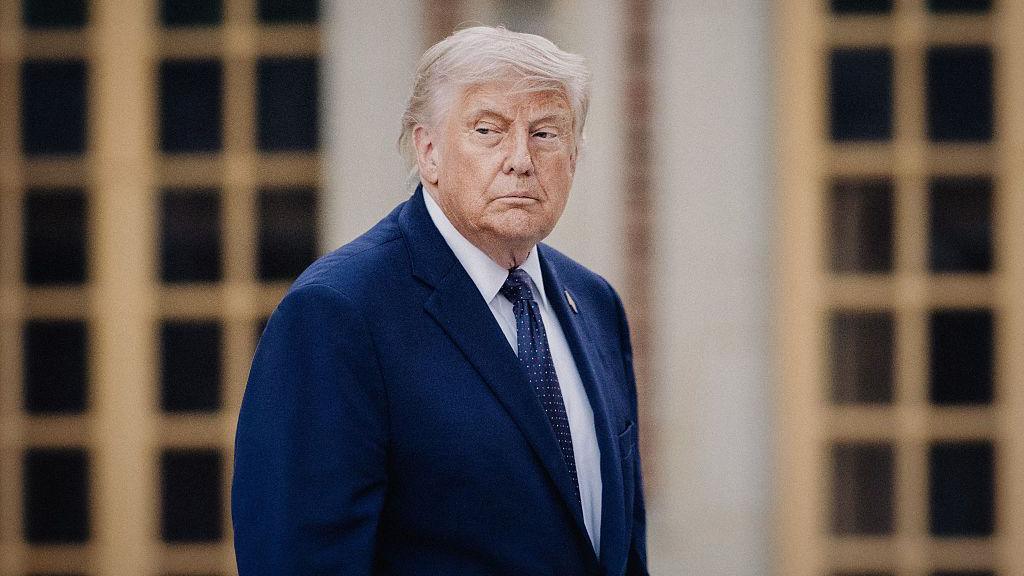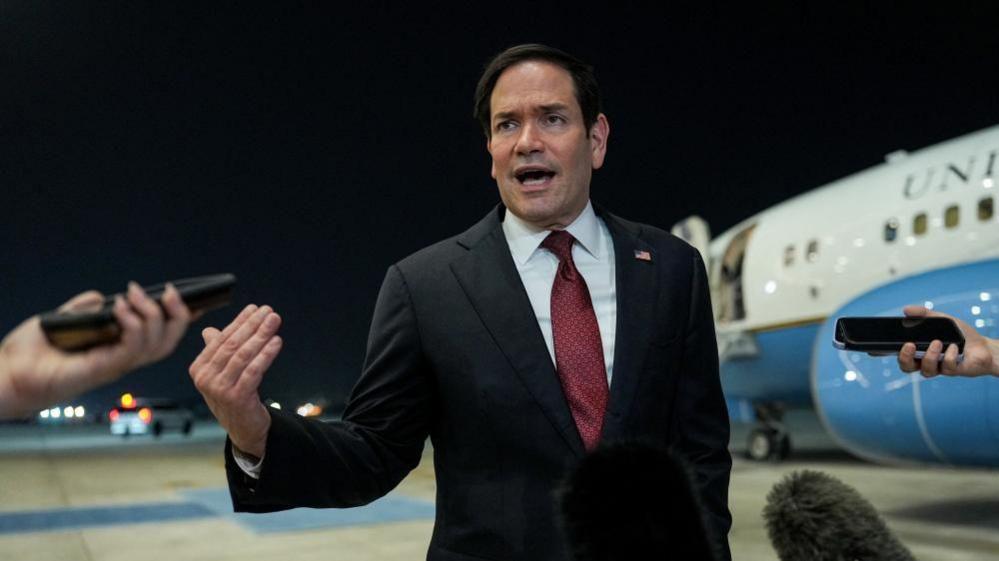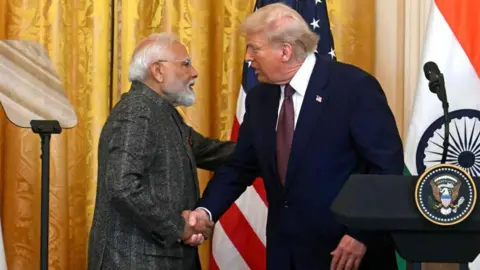
In a remarkable development, US President Donald Trump has slashed reciprocal tariffs on Indian goods from a staggering 50% to a more manageable 18%. This decision has been received with optimism in India, particularly as the country had previously been subjected to the highest tariffs globally after an increase imposed by Trump. Following discussions with Indian Prime Minister Narendra Modi, Trump highlighted that Modi had 'agreed to stop buying Russian oil' and expressed intentions to increase purchases from the US. Modi, expressing gratitude on behalf of India, stated hopes for elevating US-India relations to 'unprecedented heights.'
This shift comes as a relief amidst a backdrop where India's exports to the US dropped significantly in crucial sectors, such as textiles and seafood, due to the former tariff increases. The revised tariff now aligns India's trade duties with neighboring Asian countries like Vietnam and Thailand, potentially increasing India's competitiveness as an alternative manufacturing site in the region. Despite encouraging signs from the deal, experts caution the absence of crucial details regarding the agreement and its enforceability, noting the need for a joint statement to solidify the foundation of this trade relationship.
The future of India and US trade relations holds significant implications not just economically, but geo-politically, influencing the dynamics between the US, China, and Russia in the upcoming months.
This shift comes as a relief amidst a backdrop where India's exports to the US dropped significantly in crucial sectors, such as textiles and seafood, due to the former tariff increases. The revised tariff now aligns India's trade duties with neighboring Asian countries like Vietnam and Thailand, potentially increasing India's competitiveness as an alternative manufacturing site in the region. Despite encouraging signs from the deal, experts caution the absence of crucial details regarding the agreement and its enforceability, noting the need for a joint statement to solidify the foundation of this trade relationship.
The future of India and US trade relations holds significant implications not just economically, but geo-politically, influencing the dynamics between the US, China, and Russia in the upcoming months.