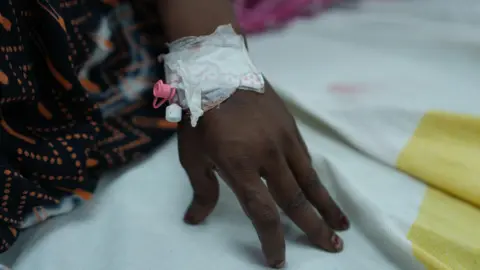
In India, snakebites have emerged as a pressing health crisis, claiming approximately 50,000 lives each year—almost half of the global total. Survivors, like Devendra, a farmer who suffered a snakebite while picking mulberry leaves, often recount the harrowing effects of delayed treatment. Devendra was hospitalized four days after his bite due to severe pain, resulting in a leg amputation. His case underscores the urgent need for timely medical intervention.
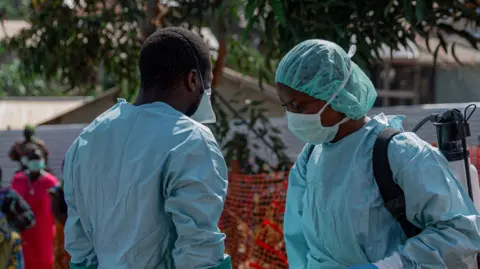
A recent report from the Global Snakebite Taskforce (GST) reveals that nearly all healthcare workers in India report challenges in administering antivenom, the critical treatment that neutralizes snake venom. Factors such as inadequate infrastructure, limited antivenom availability, and insufficient training contribute to the crisis. Alarmingly, nearly half of the healthcare professionals indicated that treatment delays led to serious complications for their patients.
Despite the World Health Organization identifying snakebite envenoming as a top neglected tropical disease in 2017, and marking it as a critical health concern due to the number of deaths it causes, the stigma surrounding snakebites as a 'poor person's problem' persists. Many snakebite victims come from impoverished rural backgrounds, where healthcare access is limited.
The National Action Plan for Prevention and Control of Snakebite Envenoming (NAPSE), introduced by the Indian government, aims to halve these fatalities by 2030. It focuses on improved surveillance, antivenom availability, and public awareness campaigns. Although experts view this plan as a step forward, concerns regarding inconsistent implementation remain.
Further complicating matters, many rural residents still rely on traditional healers, delaying their journey to professional medical help until symptoms worsen—a decision that can be deadly. The logistics of reaching healthcare facilities are challenging, with delayed transport times exacerbating outcomes.
Moreover, the antivenom available in India primarily targets the 'big four' most dangerous snake species; however, many other venomous snakes pose a significant risk. This gap highlights the dire need for high-quality, region-specific antivenom to better serve affected populations.
As public health experts like Dr. Yogesh Jain emphasize, the government’s commitment must extend beyond policy-making. Active steps need to be taken to ensure equitable healthcare access and effectiveness in snakebite treatments. The struggle against snakebite fatalities requires unwavering political will, community support, and comprehensive healthcare reforms to save lives and mitigate the crisis.