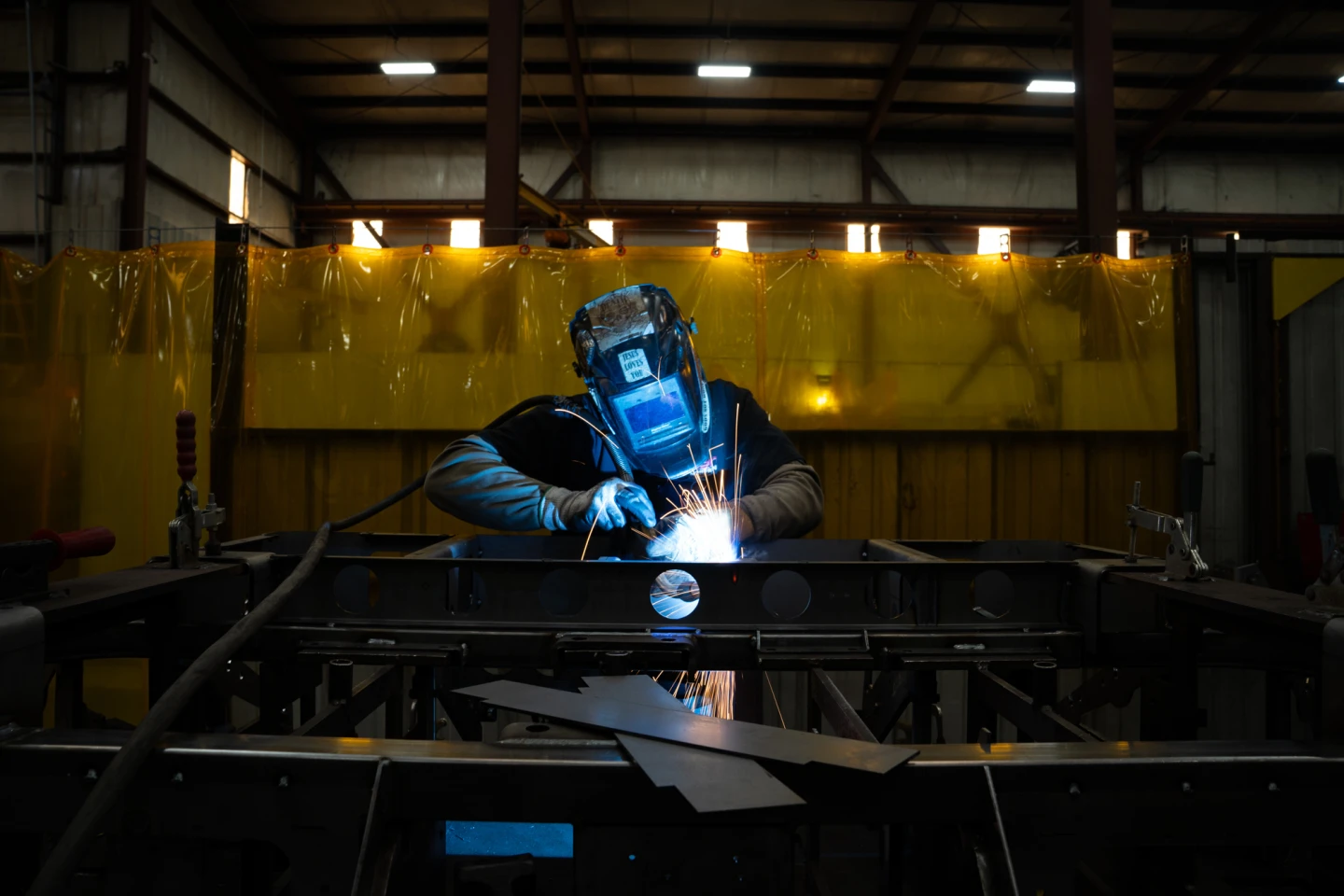
WASHINGTON (AP) — Despite being a supporter of President Donald Trump, Jay Allen finds himself disenchanted with the current policy landscape due to the economic repercussions of Trump's tariffs on his business, Allen Engineering Corp. This Arkansas-based manufacturing company relies heavily on imported components for its machinery, and rising import taxes have inflated their costs substantially.
Allen's challenges typify a concerning trend; while tariffs were intended to invigorate American factories, they instead appear to be stifling growth for many companies. Even as Trump reiterated the value of these trade policies, manufacturers like Allen's observed a downturn, with his workforce shrinking from 205 to 140 employees since the inception of the tariffs.
As Allen contemplates adjusting prices amid increased operational costs, he expresses disheartenment over the unintended consequences that have plagued an industry he believes should thrive.
The broader statistics support his narrative. During Trump's initial year back in office, significant job losses occurred in manufacturing, with about 98,000 positions eliminated as companies grappled with higher costs imposed by tariffs. Amid numerous legal challenges, American businesses are vocally demanding refunds for imposed tariffs, amounting to over $130 billion.
Although the White House touts high construction spending and a rise in hiring, these claims are often attributed to Joe Biden's legislative initiatives rather than Trump's tariff policies. The economic landscape remains murky, with large uncertainties about future trade policies continuing to deter manufacturing investments.
With Trump having made over 50 tariff-related decisions, the unpredictability surrounding trade has undermined confidence, leaving small manufacturers like Allen Engineering at risk. As the industry's status hinges on the volatile nature of U.S. trade policy, many fear it could take years to recover fully, if at all.
Allen's challenges typify a concerning trend; while tariffs were intended to invigorate American factories, they instead appear to be stifling growth for many companies. Even as Trump reiterated the value of these trade policies, manufacturers like Allen's observed a downturn, with his workforce shrinking from 205 to 140 employees since the inception of the tariffs.
As Allen contemplates adjusting prices amid increased operational costs, he expresses disheartenment over the unintended consequences that have plagued an industry he believes should thrive.
The broader statistics support his narrative. During Trump's initial year back in office, significant job losses occurred in manufacturing, with about 98,000 positions eliminated as companies grappled with higher costs imposed by tariffs. Amid numerous legal challenges, American businesses are vocally demanding refunds for imposed tariffs, amounting to over $130 billion.
Although the White House touts high construction spending and a rise in hiring, these claims are often attributed to Joe Biden's legislative initiatives rather than Trump's tariff policies. The economic landscape remains murky, with large uncertainties about future trade policies continuing to deter manufacturing investments.
With Trump having made over 50 tariff-related decisions, the unpredictability surrounding trade has undermined confidence, leaving small manufacturers like Allen Engineering at risk. As the industry's status hinges on the volatile nature of U.S. trade policy, many fear it could take years to recover fully, if at all.