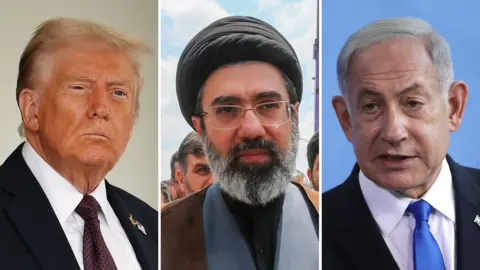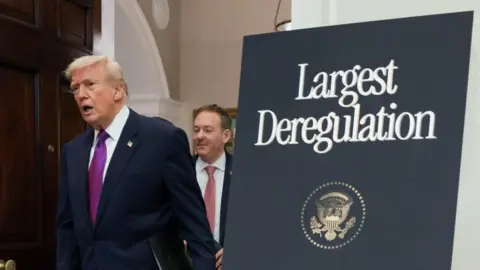
Throughout his two terms in office, Donald Trump hasn't been shy to criticize – even to attack – Washington's NATO allies. But his latest suggestion – that failing to secure the Strait of Hormuz would be very bad for the future of NATO – implies an understanding of the alliance's purpose that has raised eyebrows.
NATO was created as a…defensive alliance, Gen Sir Nick Carter, former Chief of the Defence Staff, told the BBC. It was not an alliance that was designed for one of the allies to go on a war of choice and then oblige everybody else to follow. I'm not sure that's the sort of NATO that any of us wanted to belong to.
Coming from a president who only two months ago was making strident claims to Greenland, the sovereign territory of a fellow NATO member, there's more than a little irony in his remarks. Responses from allies have been blunt, with German spokesmen asserting that the war with Iran has nothing to do with NATO, and Defence Minister Boris Pistorius questioning what Trump expects from Europe’s limited naval assets against the powerful US navy.
Calls for a quick fix abound as Iran's control over the Strait poses a threat to global shipping, but with differing priorities and strategies among allies, a cohesive response remains elusive. Conversations aimed at developing a viable plan are ongoing among the US, European, and Gulf partners, but concrete decisions are yet to materialize.
While the UK government pushes for de-escalation as the optimal approach, EU member states exhibit hesitance to engage militarily, preferring to evaluate the situation as it develops. As such, Trump’s coalitions appear uncertain, with NATO allies lingering on the sidelines, keenly aware that inaction is not a sustainable option.
NATO was created as a…defensive alliance, Gen Sir Nick Carter, former Chief of the Defence Staff, told the BBC. It was not an alliance that was designed for one of the allies to go on a war of choice and then oblige everybody else to follow. I'm not sure that's the sort of NATO that any of us wanted to belong to.
Coming from a president who only two months ago was making strident claims to Greenland, the sovereign territory of a fellow NATO member, there's more than a little irony in his remarks. Responses from allies have been blunt, with German spokesmen asserting that the war with Iran has nothing to do with NATO, and Defence Minister Boris Pistorius questioning what Trump expects from Europe’s limited naval assets against the powerful US navy.
Calls for a quick fix abound as Iran's control over the Strait poses a threat to global shipping, but with differing priorities and strategies among allies, a cohesive response remains elusive. Conversations aimed at developing a viable plan are ongoing among the US, European, and Gulf partners, but concrete decisions are yet to materialize.
While the UK government pushes for de-escalation as the optimal approach, EU member states exhibit hesitance to engage militarily, preferring to evaluate the situation as it develops. As such, Trump’s coalitions appear uncertain, with NATO allies lingering on the sidelines, keenly aware that inaction is not a sustainable option.