
In brief
Iran is escalating its efforts to prevent anti-establishment protests by establishing checkpoints across Tehran, restricting internet access, and warning residents with mass text messages. Since the beginning of the conflict, the Iranian authorities have taken drastic steps to limit communication and movement to thwart any pro-democracy mobilization. Reports indicate that security personnel have died in recent drone strikes, adding to the tension on the streets of the capital.
Amid fears of escalating protests, Iran has intensified its security measures in Tehran, deploying checkpoints and restricting internet access to prevent dissent.
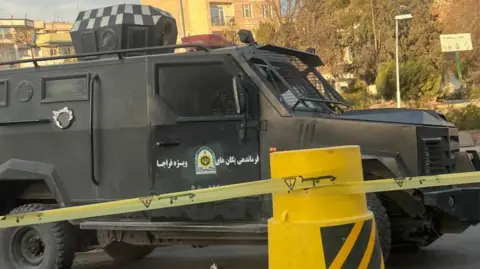
Iran is taking steps to prevent anti-establishment protests, with checkpoints appearing across the streets of the capital, internet access restricted, and mass text warnings sent to residents.
In Tehran, people have reported on the new security checkpoints, where they face stops and searches. Some checkpoints are positioned under footbridges and inside road tunnels following recent drone strikes that targeted several checkpoints in the middle of roadways.
A striking report indicates that a number of Iranian security personnel were reportedly killed in Israeli strikes on these checkpoints.
Authorities have aimed to dissuade any potential protests through violent past experiences, with a recent text sent by the Revolutionary Guard warning against organized protests. Tensions remain high as the police chief declared that anyone participating in demonstrations would be deemed an enemy.
The internet restrictions hinder communication between citizens and also impede protest coordination. People are finding workarounds via secure connections and means like SpaceX's Starlink devices, even as the regime hunts for those technology resources.
As of now, there are no signs of mass protests akin to those seen last year, but CNN's sources highlight grassroots movements forming despite increased surveillance.

