Trump's Iran Crisis: Allies Reluctantly Face Uncertainty
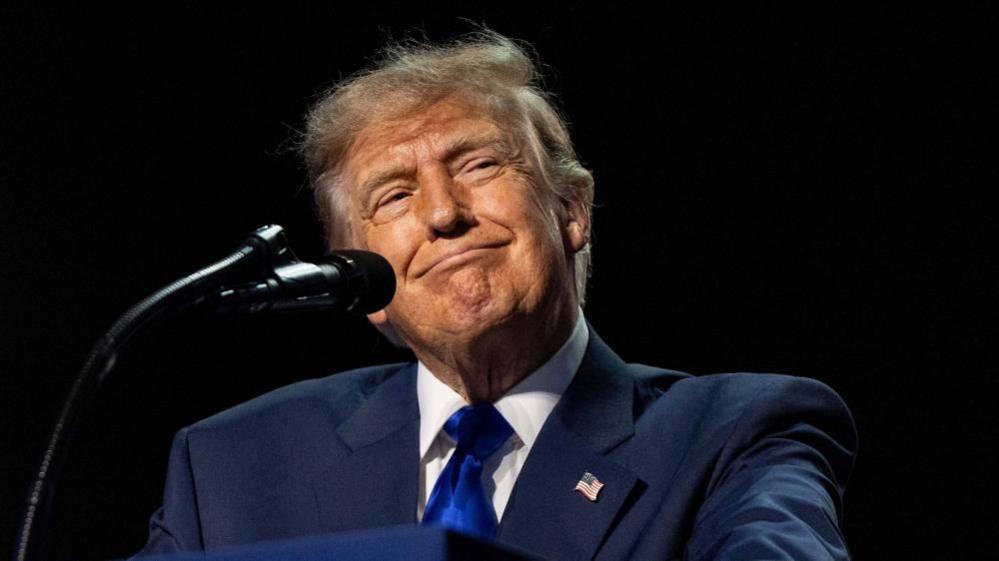
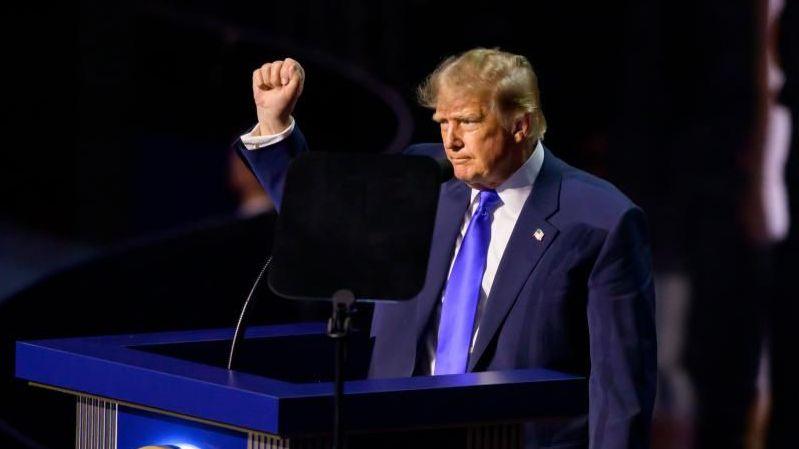
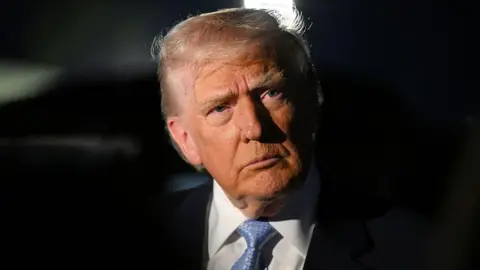
As the potential conflict with Iran looms, NATO allies display clear signs of hesitation concerning U.S. military intervention. Just recently, President Donald Trump suggested that failing to secure the Strait of Hormuz would be detrimental to NATO's future, a statement that has prompted skepticism about the alliance's original defensive intentions.
General Sir Nick Carter, former chief of the Defence Staff, emphasized that NATO was established as a defensive alliance rather than one crafted for offensive military engagements. His commentary reflects a growing discomfort within the alliance regarding America's current intentions, particularly those expressed by Trump.
This skepticism towards U.S. military aspirations comes with a layer of irony, especially as European leaders are recalling Trump's earlier claims over Greenland — an assertion that shocked many within NATO circles.
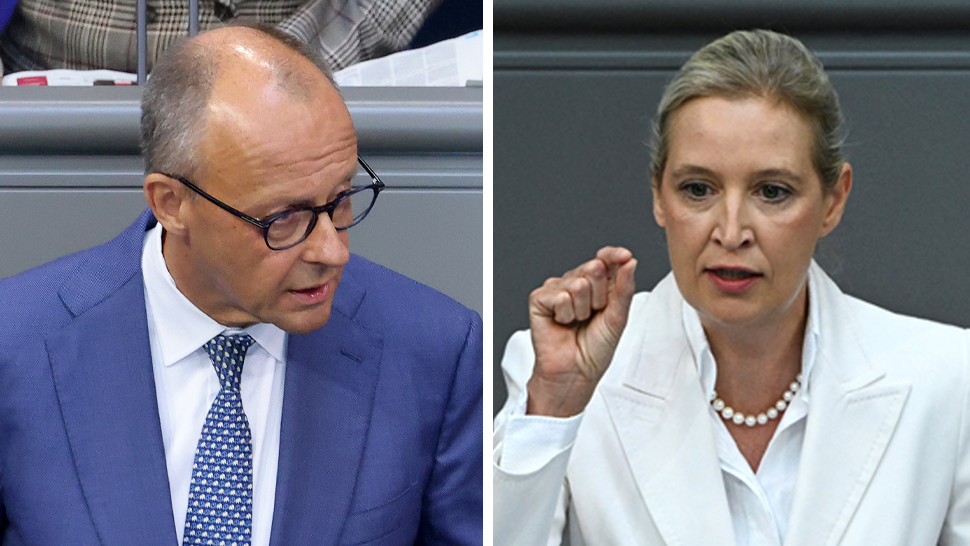
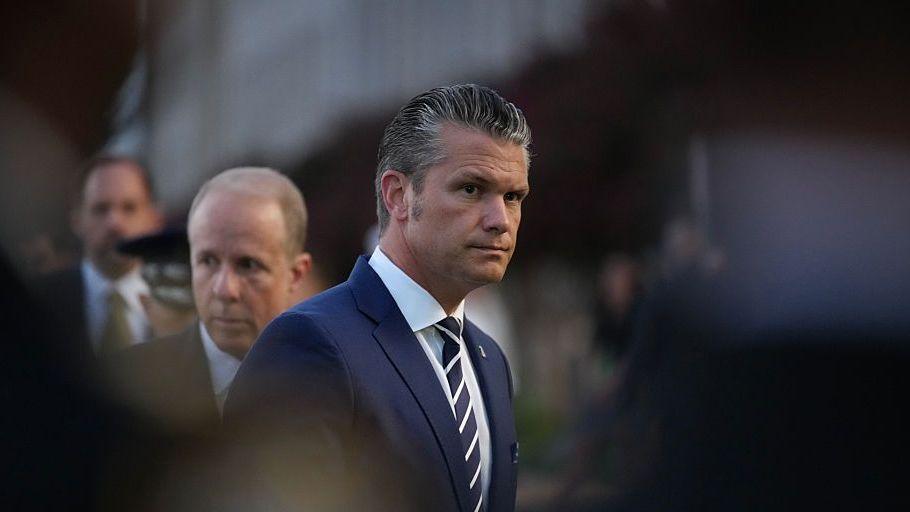
In response to Trump's remarks, Germany’s government underscored that any war with Iran would have nothing to do with NATO, with Defence Minister Boris Pistorius questioning the practical effectiveness of European naval powers in addressing the conflict. Diplomatically, this approach emphasizes a clear distinction between European national interests and U.S. military ambitions.
Western nations now face a series of urgent decisions, especially as Iran has effectively restricted passage through the Strait of Hormuz. The ramifications of this blockade threaten to spiral into a larger economic crisis unless an alternative solution is rapidly developed.
Amidst these rising tensions, UK Prime Minister Sir Keir Starmer mentioned ongoing discussions with U.S. and European partners to create a viable plan, though he admitted that no decisive actions have been determined yet.
As concerns mount over security in the region, the UK's Royal Navy is exploring technological advancements such as mine-hunting drones as alternatives to traditional naval assets, which complicates the situation further. With Trump suggesting offensive measures, including potential strikes on Iranian shores, there is a palpable tension regarding the level of military engagement allies are willing to commit to.
Germany and other European powers have explicitly refused to participate militarily, asserting that this is not their war, while simultaneously acknowledging the need for securing shipping routes.
While France’s President Emmanuel Macron demonstrates a willingness to support the U.S. in securing maritime safety, he also acknowledges that such operations can only be feasible once the immediate crisis abates.
As these discussions evolve, it is clear that a multifaceted military operation involving NATO allies to counter Iran's capabilities would be complex, with threats coming from various fronts.
Ultimately, Trump's allies are caught in a state of uncertainty, balancing their commitments with the realities of potential military escalation. The search for a cohesive and legal basis for intervention persists, but as of now, a comprehensive strategy remains elusive.