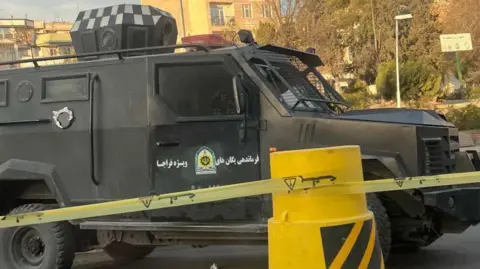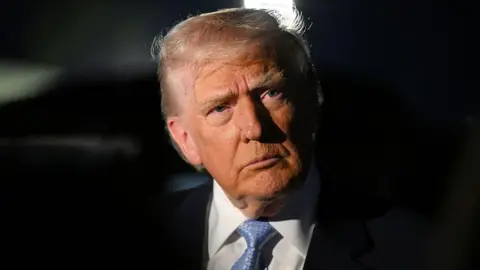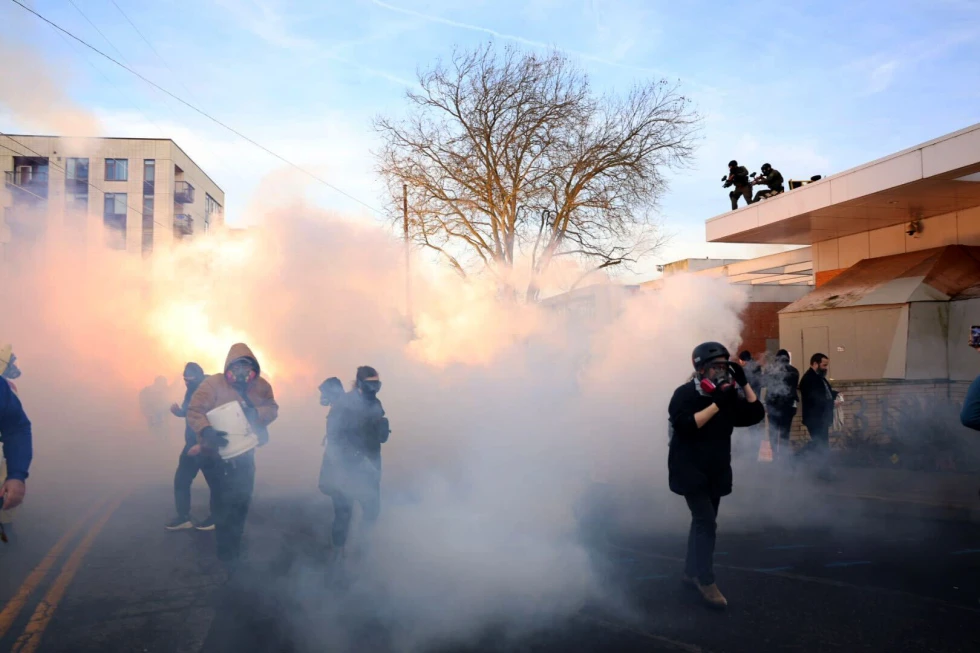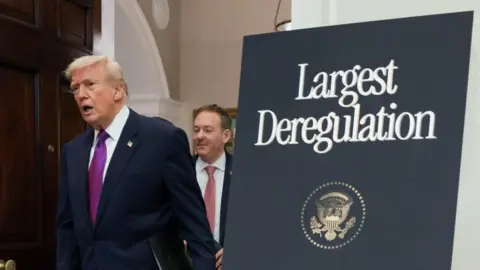
President Donald Trump has stated that Tehran has 'no plan' to execute protesters amidst ongoing violent crackdowns on anti-government demonstrations in Iran. Despite this assertion, he has not ruled out the possibility of U.S. military action against Iran following their heavy-handed response to dissent.
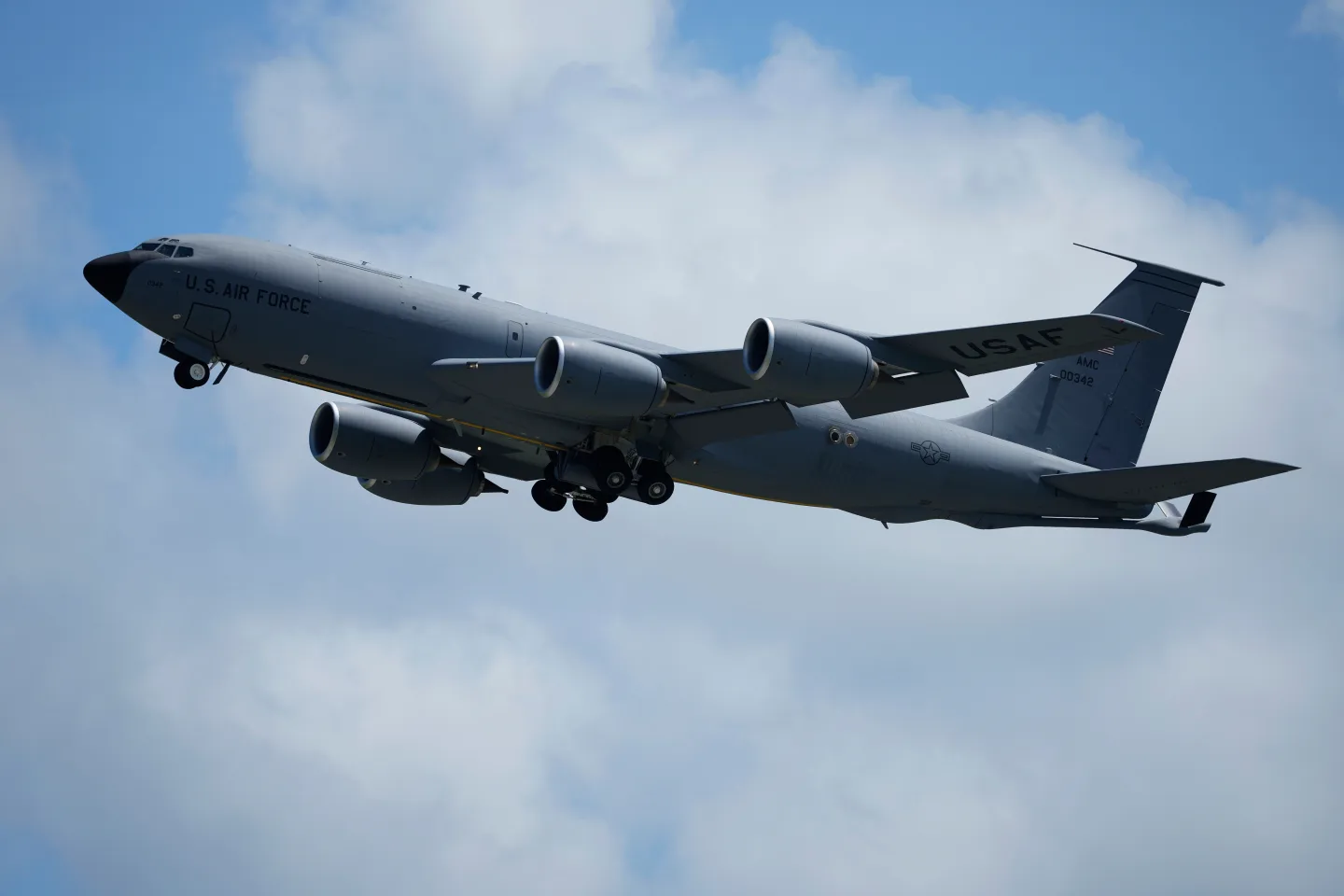
Amid heightening tensions, both the U.S. and U.K. are reducing their personnel at the Al-Udeid air base in Qatar. Officials are indicating this move is a precautionary measure. Additionally, Iran's airspace was shut down for several hours, resulting in multiple airlines announcing that they would reroute their flights around the country.
Speaking to the press from the White House, Trump referenced 'good authority' which indicated that 'the killing in Iran is stopping'. He hoped that these claims would prove to be accurate.
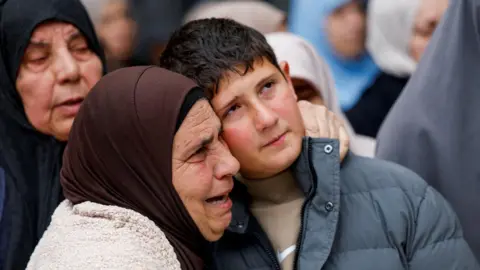
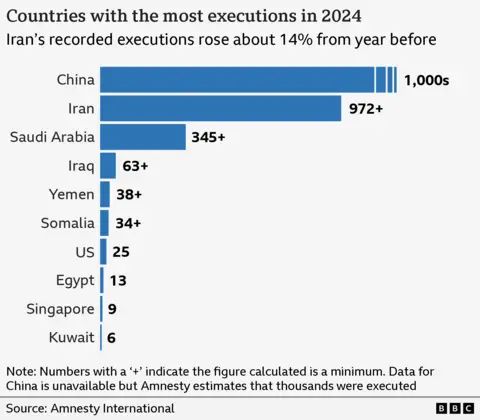
The protests initially ignited over the severe collapse of the Iranian currency in late December but have evolved into a broader challenge to the legitimacy of the country’s clerical leadership. Rising calls for accountability followed reports that a 26-year-old protester, Erfan Soltani, had been sentenced to execution, sparking Trump to warn that 'very strong action' would be taken against Iran if they proceeded with such penalties.
Soltani's family later indicated that his execution had been postponed. The situation escalated further when Iran's Foreign Minister, Abbas Araghchi, stated that 'hanging is out of the question'. He implored Trump not to repeat mistakes made previously that accelerated tensions.
As uncertainties grow, countries like Italy and Poland have urged their citizens to evacuate from Iran, while Germany has recommended that air operators avoid the country's airspace due to potential risks from ongoing conflicts.
Trump expressed reluctance to publicly endorse opposition leaders, speculating on their acceptability within Iran, while ongoing protests, apparently suppressed through internet blackouts, mark a critical phase in Iran's political landscape.