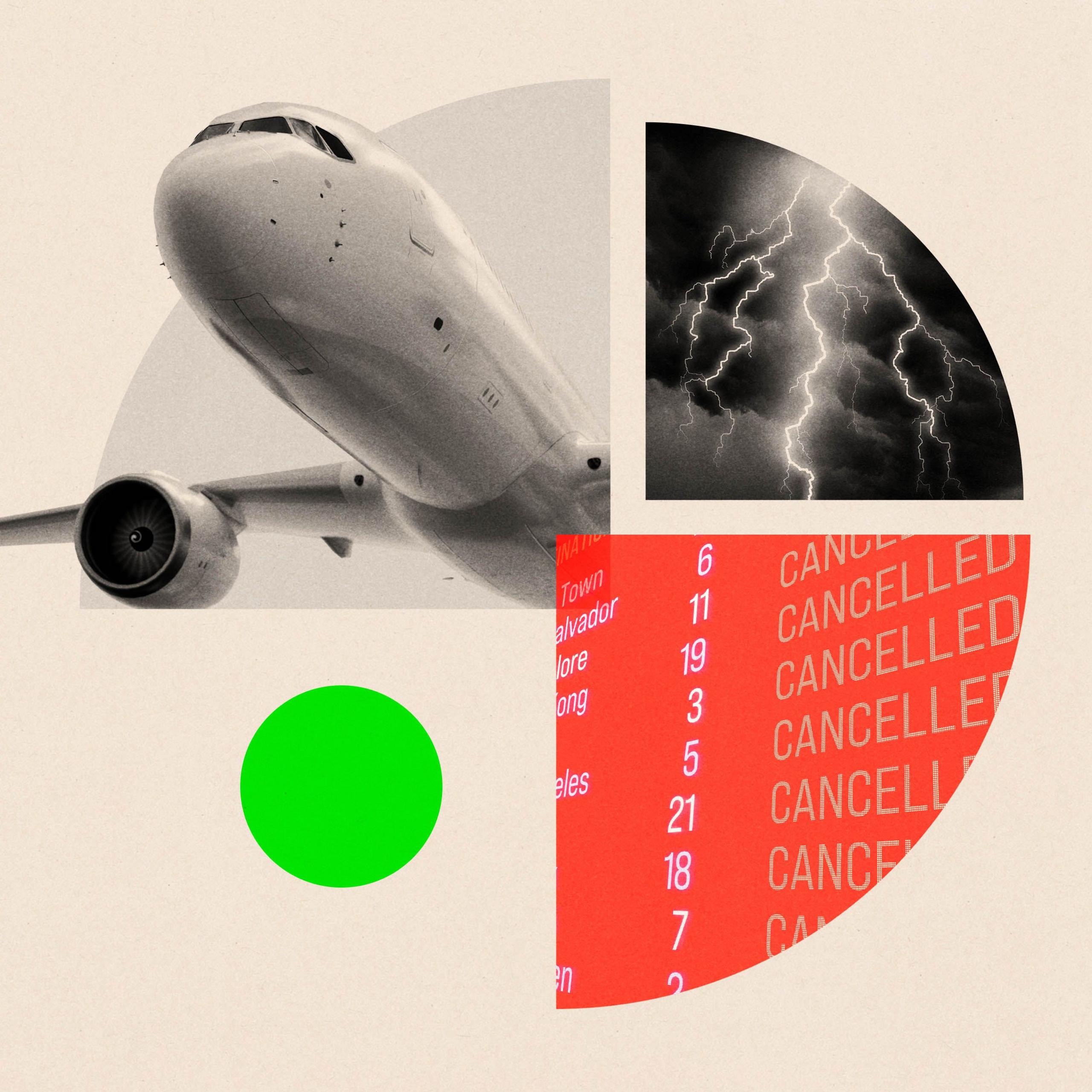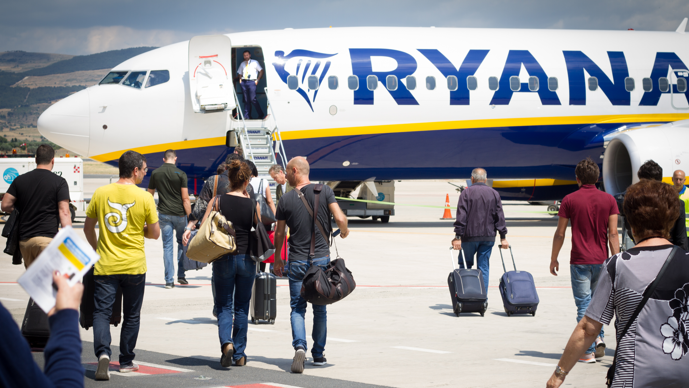
Ryanair’s profit fell sharply in the second quarter as jet fuel prices soared following the Iranian conflict, and customers are hesitant to book flights.
Pre‑tax earnings slid 34 % to €593 million between April and June, even though revenue only ticked up 1 % to €4.4 bn. The airline trimmed fares to attract bookings, which dropped 6 % as travelers stayed away amid growing concerns about Middle‑East hostilities.
Fuel costs surged after the US and Israel struck Iranian targets in February. Ryanair had hedged most future fuel purchases, but unprotected quantities more than doubled, pushing the price of jet fuel to historic highs. The price of a barrel of crude oil briefly hit $90, spiking the cost of aviation fuel.
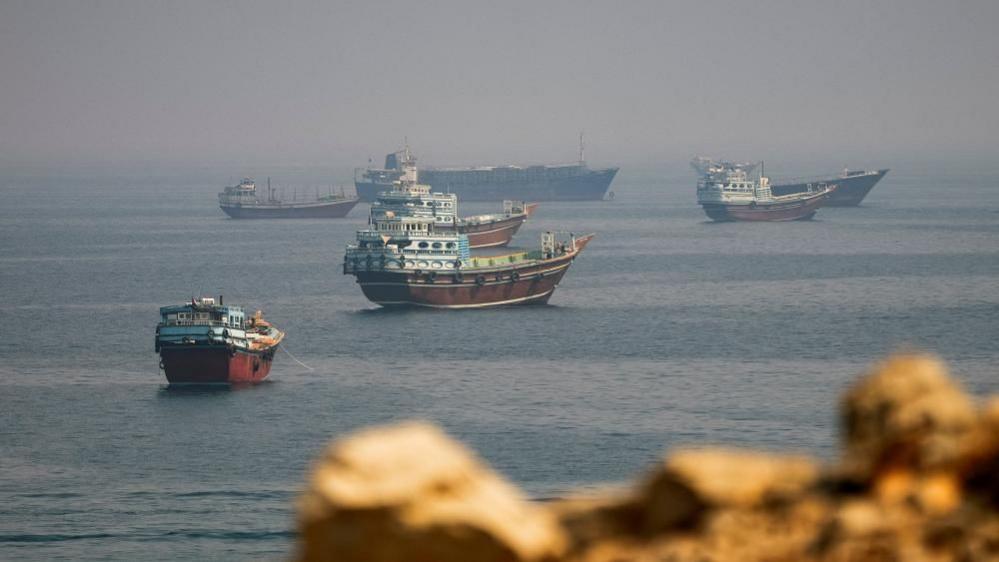
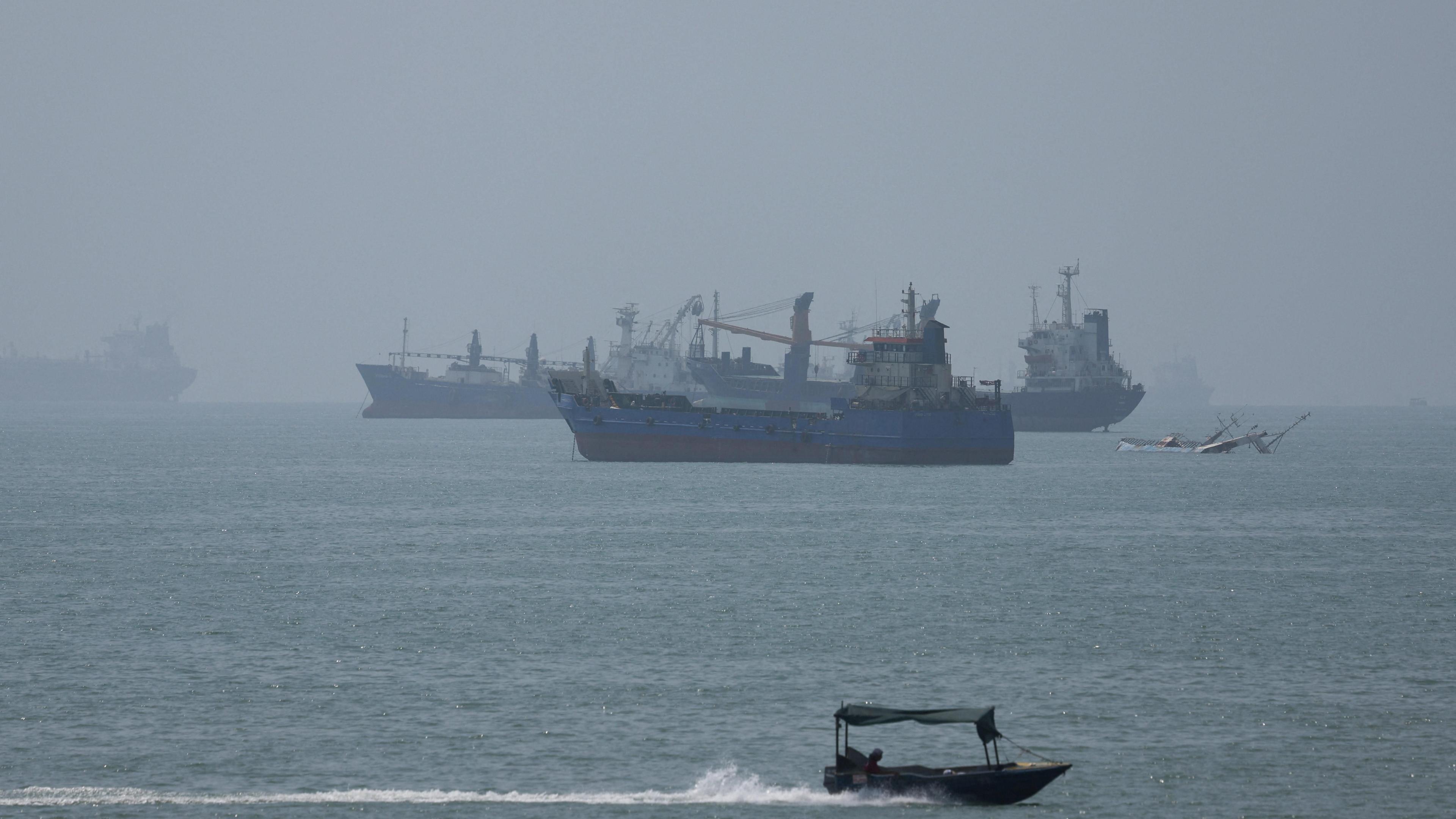
The Strait of Hormuz, a critical oil corridor, slowed traffic, creating a spike in prices that resumed after a brief cooling period following a temporary peace accord. Ryanair warned that its annual results will be "highly sensitive" to escalating conflicts in the Middle East and in Ukraine, as well as to unhedged fuel cost fluctuations.
Summer fares for the July‑to‑September period are expected to be modestly lower than the previous year, with customers typically booking closer to departure time. Finance chief Neil Sorahan said flights on Mediterranean routes remain full, but consumers book "just a little bit later."
Although passenger numbers rose 6 % thanks to an Easter holiday surge, share prices fell 5 % on Monday, reflecting market uncertainty. Investment director Russ Mould noted that Ryanair remains better positioned than many rivals, yet the lingering conflict still casts a challenging future for the airline and the travel sector.