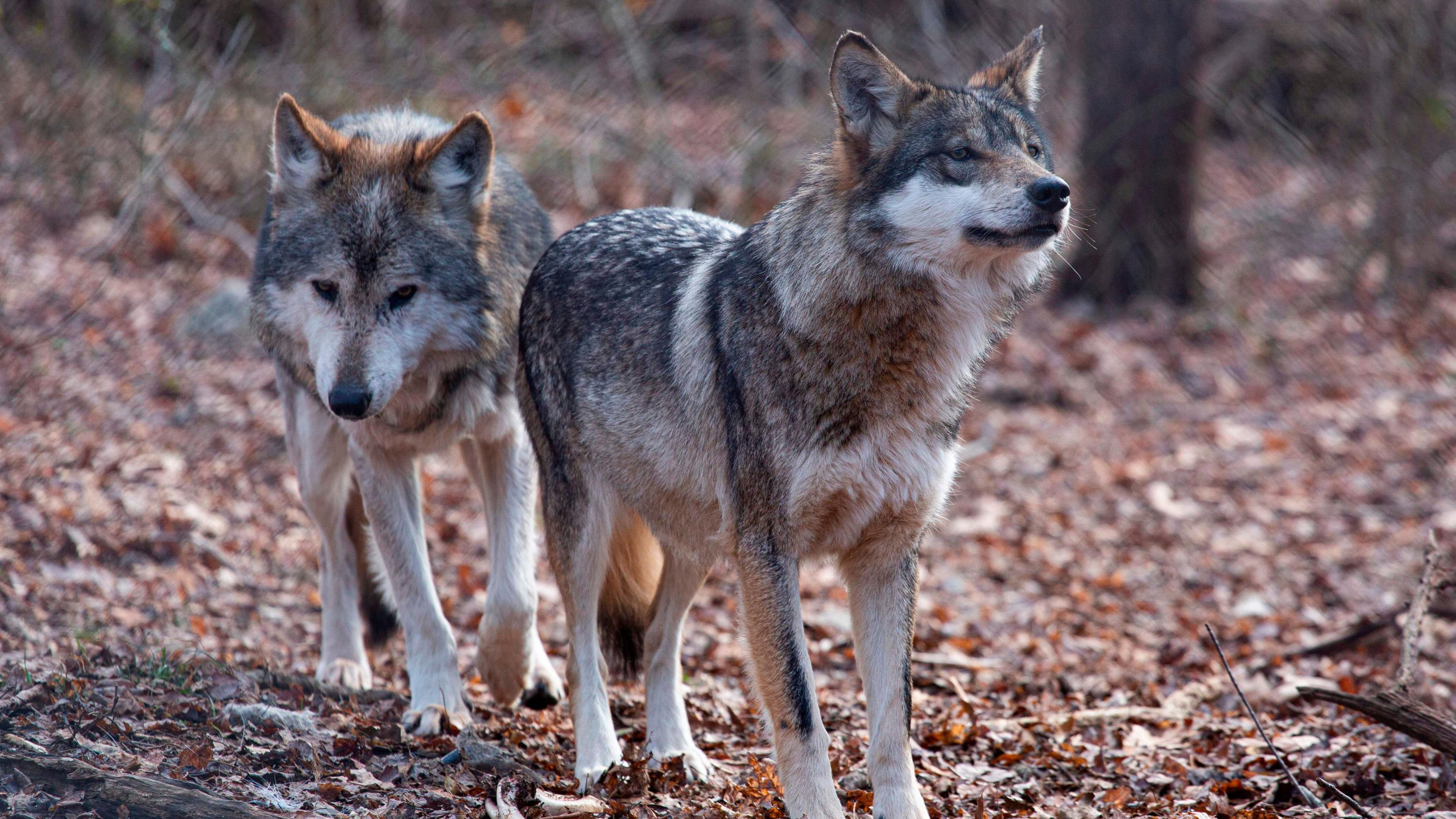
In brief
President Donald Trump has signed an executive order aimed at removing endangered species protection for the grey wolf and its Mexican subspecies. Ranchers cited economic hardships and cultural heritage as reasons, while conservationists warn that lifting protections could jeopardize decades of recovery work. The order gives Interior Secretary Doug Burgum 90 days to assess population recovery before delisting. With wolf populations slowly rebounding and livestock losses relatively low, the move has drawn sharp criticism from environmental groups that see it as political maneuvering over real benefits. Legal battles are expected as both sides push the federal agency to face court rulings.
President Donald Trump has signed an executive order that widens the criteria for delisting the grey wolf and its Mexican subspecies, the Mexican wolf, from the Endangered Species Act.
The order notes that ranchers play a "vital role" in the food supply chain and that past federal restrictions have made the livestock industry vulnerable. It also explains that the decision is intended to support a struggling sector that saw beef output drop 75 years ago while demand has risen by 10 percent over the past decade.
Under the new ruling, Interior Secretary Doug Burgum will have 90 days to evaluate whether wolf populations have recovered enough to warrant removal from the endangered list. The speed of the review is designed to balance quick action against the need for sound science.
Criticism from environmental groups has been swift. Scientists point out that wolf packs that prey on livestock are a very small part of their diet, and that the federal compensation program already provides up to 100 percent restitution for losses. “This is a huge distraction to placate a handful of ranchers and make them believe that wolves are a greater threat than President Trump’s own policies,” said Greta Anderson, deputy director of the Western Watersheds Project.
The Mexican Wolf Recovery Project’s executive director, Claire Musser, warned that the population’s growth does not alone indicate full recovery. She said weakening federal protections would risk turning a hard‑won success into a reversible setback.
With 319 Mexican wolves in the wild as of 2025—up from a mere four in 1998—the U.S. Fish and Wildlife Service cites ongoing habitat loss as the main threat to grey wolves, of which there are roughly 18,000 across the country.
Legal challenges are expected as ranching associations and conservationists prepare to file suits against the Interior Department, building on a 2022 failed attempt to depose the species at the federal level.
The order arrives amid heightened beef price discussions tied to drought conditions and parasite concerns in U.S. beef stocks. While the Trump administration loosens beef import restrictions to curb price spikes, the move to protect wolves—defined domestically as a federal crime to kill them—already sits within a broader public debate about wildlife management and land use.