EU and NATO Leaders Commit to Heightened Pressure on Russia
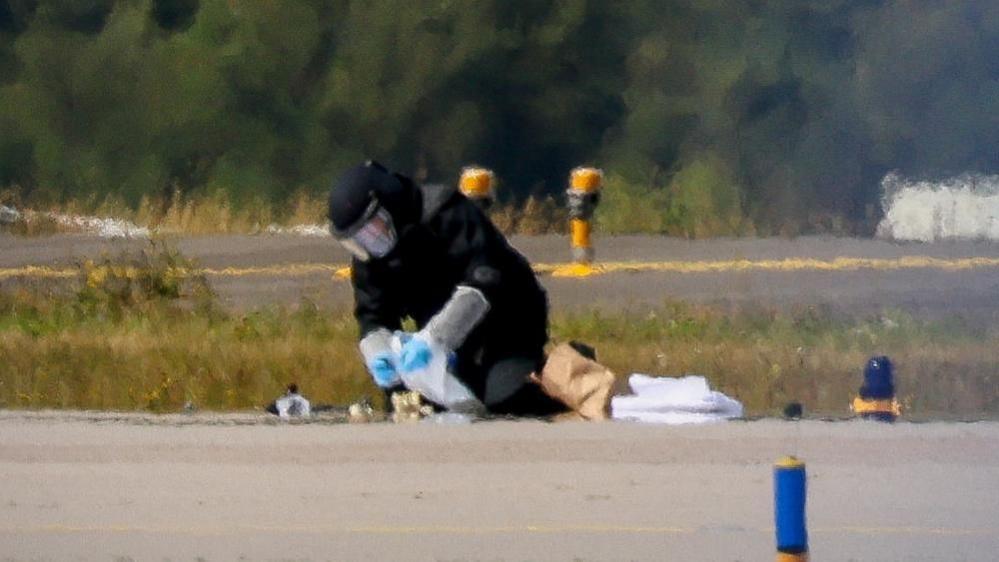
The heads of the European Union and NATO gathered in Brussels to address a “new escalation” on EU territory. They condemned a failed detonated drone that targeted a Ukrainian cargo plane at Leipzig/Halle airport, calling it a “military‑grade” act carried out by Russian operatives.
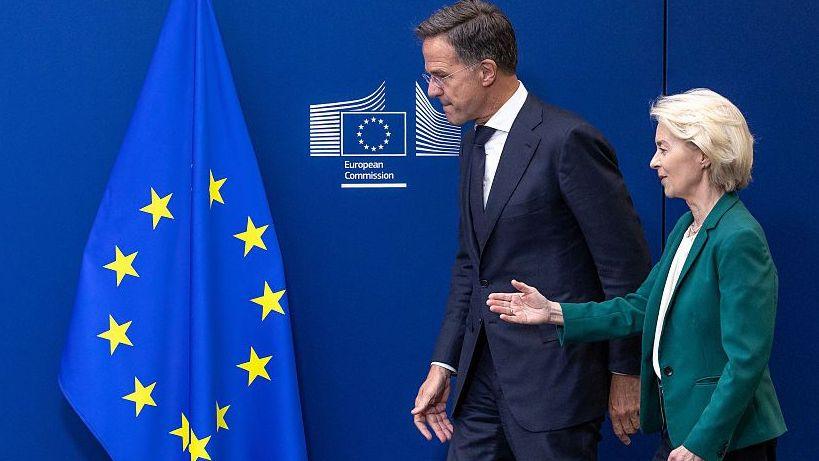
Commission President Ursula von der Leyen and Secretary General Mark Rutte stressed the need to respond quickly and effectively to Russia’s reckless operations. They pledged stronger sanctions and deeper coordination with member states, while calling for increased safeguards across the Alliance’s eastern flank.
German authorities confirmed that drone components matched those used in other Russian hybrid attacks, and identified two suspects with dual passports who were suspected of orchestrating the Leipzig incident. The evidence was presented during the briefing, and German President announced that the Russian consulate in Bonn and the Russian House in Berlin would close pending investigations.
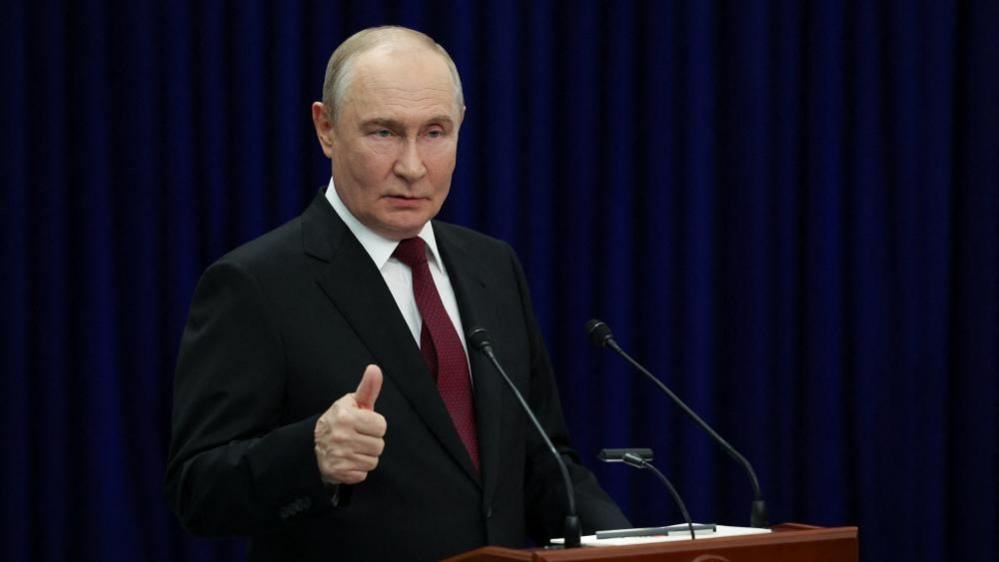
Russia denied culpability and warned of a “mirror‑image” response, even suggesting that diplomatic relations with Berlin could be severed. Deputy Foreign Minister Alexander Grushko said Moscow would “give diplomacy a chance” for now.
Despite the German response, analysts say the action was modest compared to the scale of the perceived threat. Some European officials pointed to the need for coordinated sanctions on Russian shipping and shelling, citing the “shadow fleet” that flees EU sanctions.
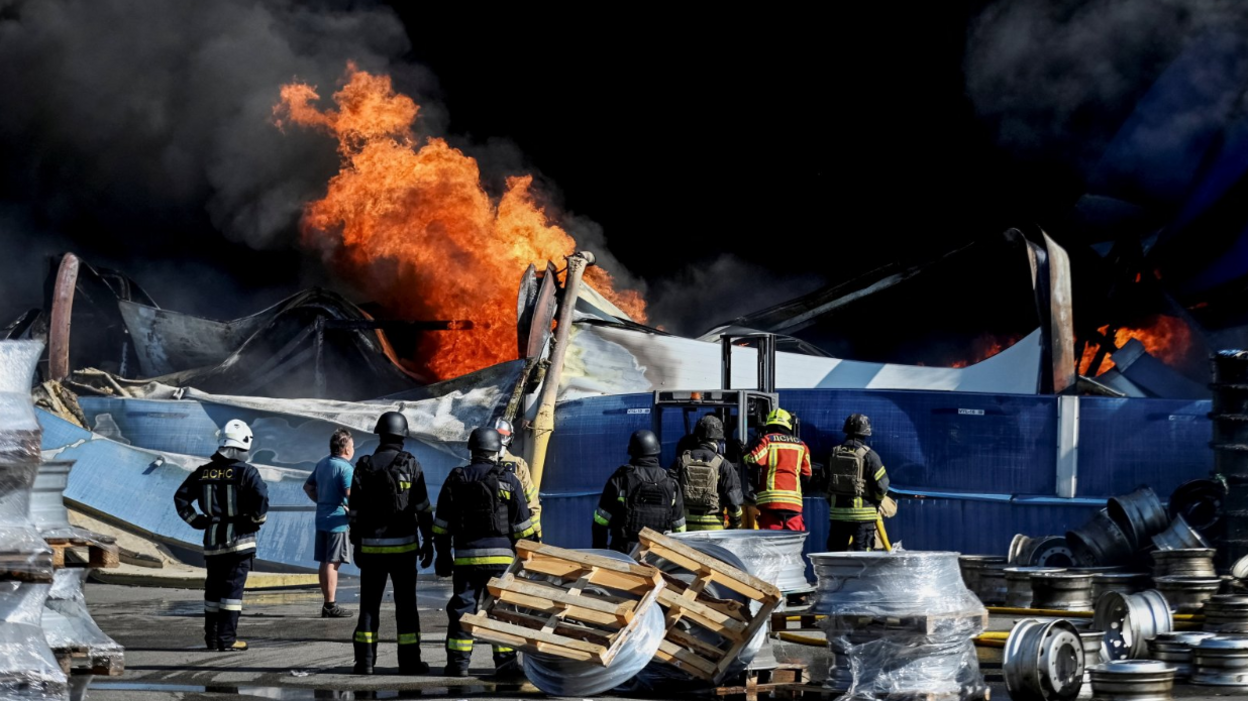
The incident dovetails with a series of suspected sabotage actions across Germany and Poland, including attacks on electricity substations and arson at drone‑manufacturing plants. German officials underscore the dual threat of foreign state‑sponsored sabotage and domestic extremism.
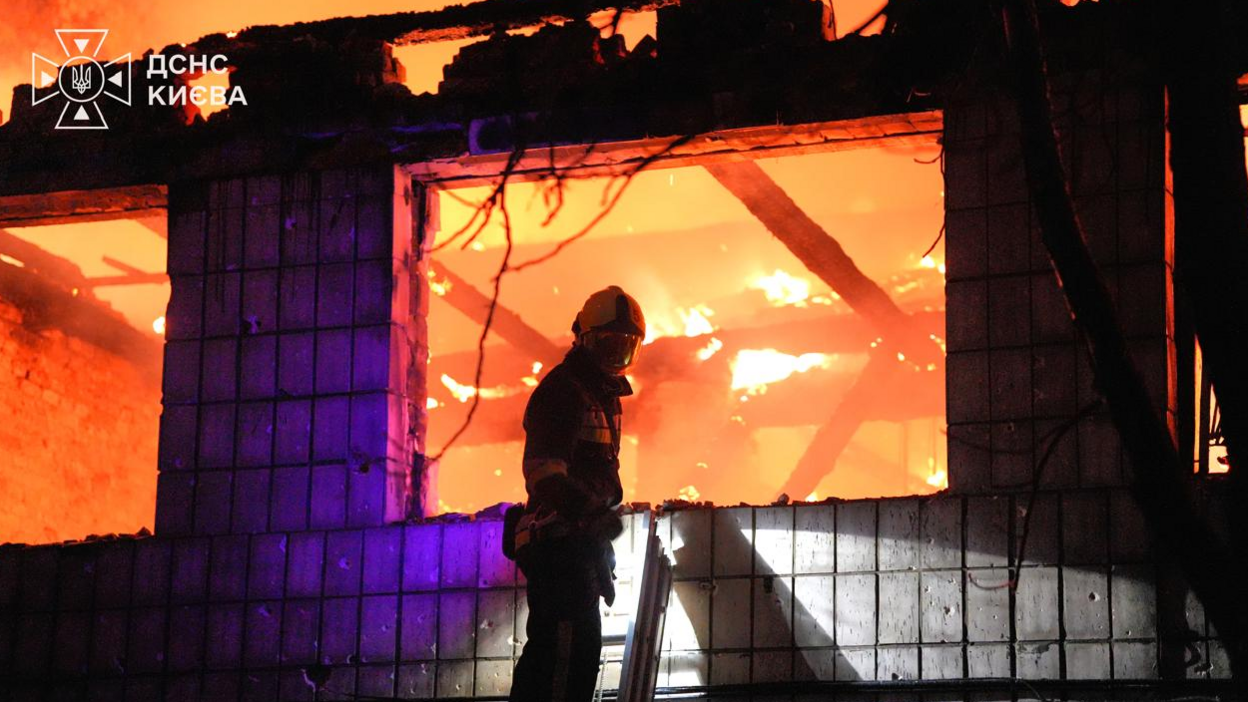
EU foreign ministers are exploring deeper cuts to Russia’s war chest, while the European Union has already earmarked €90 billion for Ukraine and highlighted the ongoing Freyja missile defence project. Von der Leyen reiterated that Europe will maintain pressure until Russia ceases bombings in Ukraine.
The Leipzig drone attack exemplifies a broader pattern of hostile acts that challenge European security, prompting swift action from the EU, NATO and individual member states. The Union’s new stance makes clear that the “new normal” of hybrid warfare will no longer be tolerated without robust retaliation.