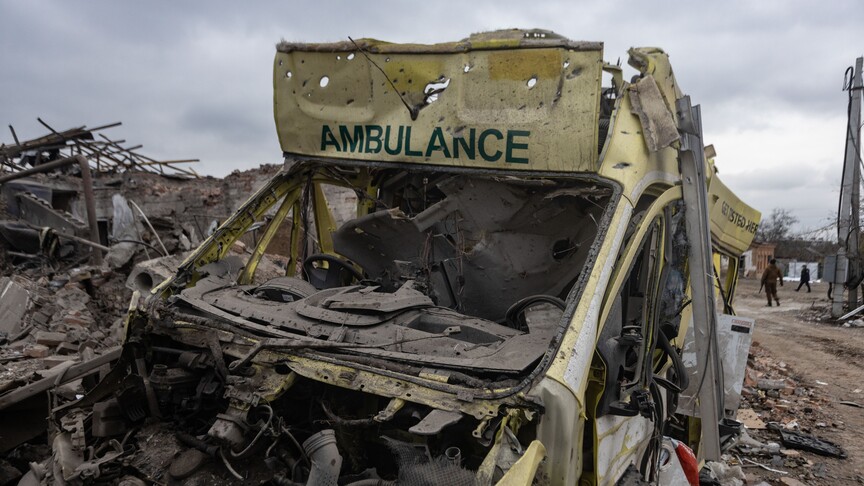
On Tuesday, 10 November 2026, a drone strike in Sudan’s southeastern Blue Nile State killed nine displaced civilians and wounded several others as they moved from the village of Bani Shako in Kurmuk to Damazin, the capital of the region, according to a local official who named the attack to the paramilitary Rapid Support Forces (RSF).
Kurmak Commissioner Abdel Ati Mohamed al‑Faki provided the account to Xinhua over the phone, asserting that RSF drones were responsible for the deadly strike.
Background: A Conflict in Motion
The incident occurs amid a broader clash that erupted in mid‑April 2023 between the Sudanese Armed Forces (SAF) and the RSF. The fighting has left tens of thousands dead and millions displaced both internally and across borders, according to Xinhua’s coverage of the broader war.
In recent weeks the SAF has intensified its air operations against RSF positions and allied groups, including the Sudan People’s Liberation Movement‑North (SPLM‑N), targeting locations in several areas of Blue Nile. This escalation has coincided with a rise in drone attacks on residential gatherings and villages within Kurmuk, according to the same local official.
The RSF’s increasing use of drones has heightened the risk to civilians. The attack that killed nine civilians was also reported by Sri‑based outlets: a Sudan Tribune article titled “RSF drones kill nine civilians in Blue Nile region, official says” notes a similar event, adding that the conflict escalated as RSF and SPLM‑N forces advanced near Ed Damazin.
Eastleigh Voice, a Kenyan source, described the RSF drone strike as part of a broader campaign against displaced populations, accusing the paramilitary of targeting civilian infrastructure, pursuing refugees with ground and air attacks, and looting villages.
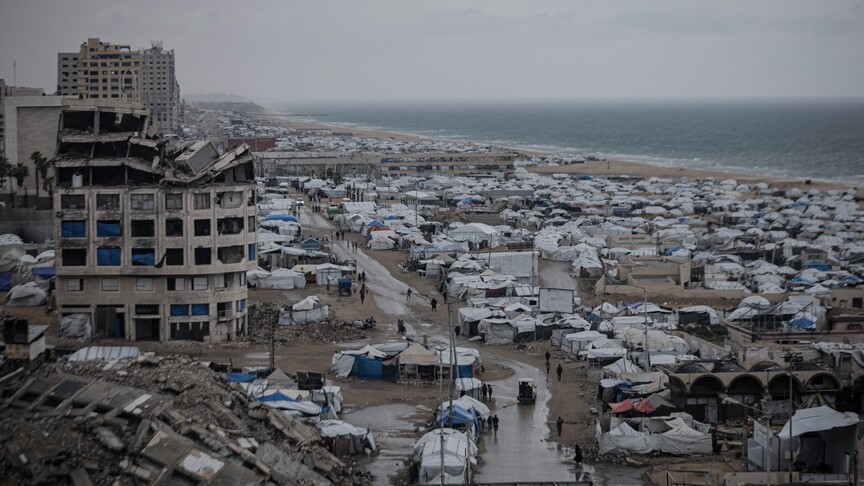
The damage to civilians is compounded by displacement; the group of nine victims were already huddled in transit, fleeing conflict in the region, and their pursuit illustrates the broader humanitarian crisis disrupting mobility for millions of Sudanese.
Local eyewitness accounts are sparse, and independent verification of details remains limited. With no publicly released footage or official statements from the RSF, questions remain about the exact target, the drones’ origin, and whether civilian casualties were a deliberate objective or a miscalculation.
Meanwhile, the SAF’s intensified air campaigns, described by a Sudanese military source to Xinhua, raise concerns about escalation. Whether the intercepts are retaliatory or intended to suppress RSF movements remains unclear, further complicating diplomatic efforts for de-escalation.
As the conflict expands, regional leaders have urged restraint, but no concrete diplomatic resolution exists. The death toll among civilians continues to climb, and the displacement of communities exacerbates an already dire humanitarian condition.
The authorities’ attribution to RSF drones, coupled with the SAF’s reported intensified air operations, illustrates a tense security environment where blurred lines between combatants and non‑combatants persist.
In the absence of independent confirmation, the international community faces the challenge of verifying attacks and holding parties accountable while addressing the immediate needs of displaced civilians who remain at great risk.
While the latest attack exemplifies the volatile nature of South Sudan’s interior, it also underscores the urgent need for humanitarian access and an end to the intra‑state conflict that threatens civilian survival.