In brief
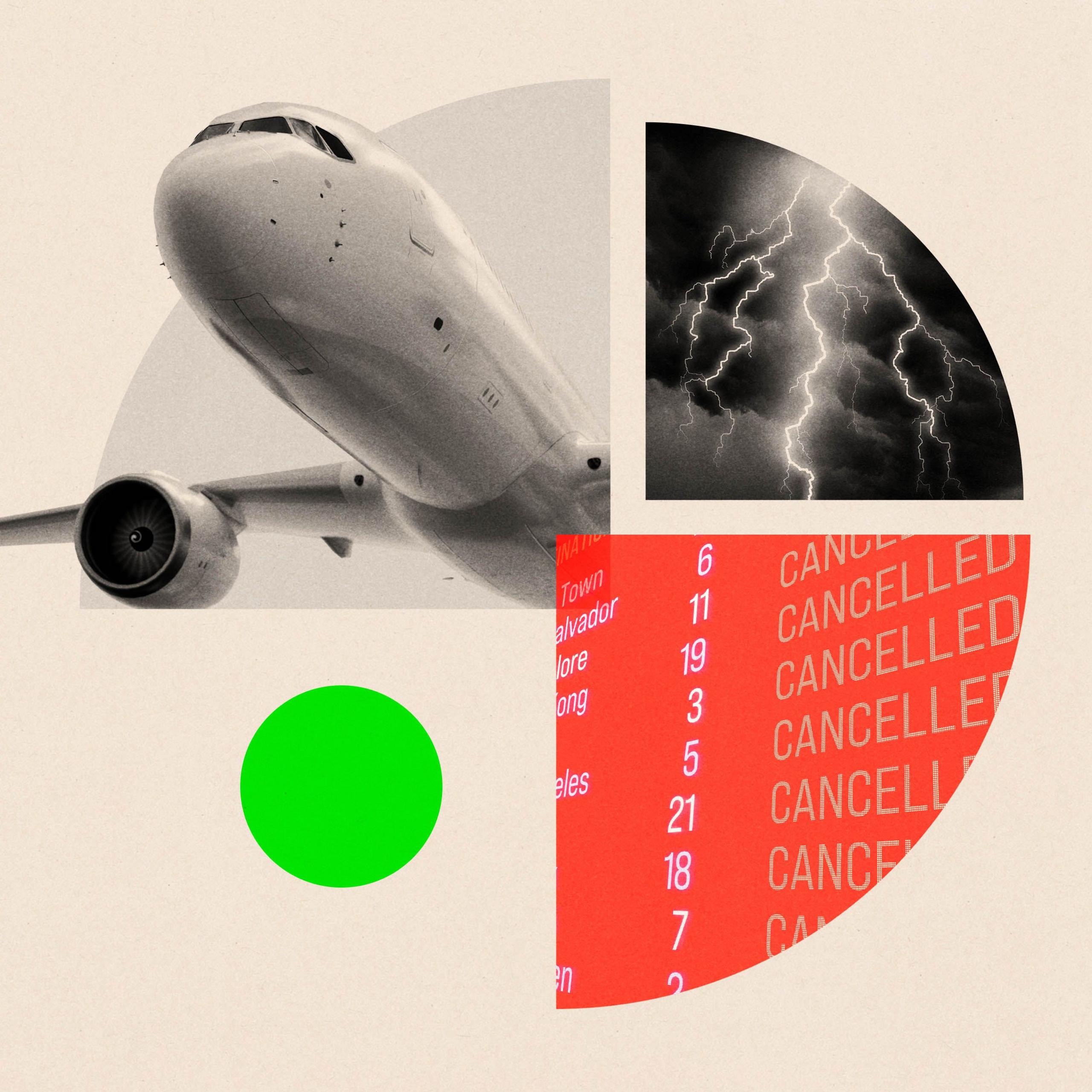
In late June a hot, rainy period produced towering thunderclouds over southern England and northern Europe, grinding flight schedules at Heathrow and Gatwick and postponing 900 flights for up to 11 hours. The incidents illustrate how rapidly changing weather patterns can crowd an already busy airspace, forcing planes to wait on the ground and divert to other airports. Experts warn that as temperatures climb, storms may become more frequent and intense, potentially blocking all major London airports simultaneously. Rising sea levels threaten low‑lying airports such as LaGuardia, creating new infrastructure risks. Airlines and passengers alike face higher costs and longer delays as the climate shift becomes the new norm.
How a June heatwave turned London’s airports into sky‑blocked marathon cut‑offs. A sudden surge of thunderstorm activity over southern England and northern Europe forced air traffic controllers to re‑route aircraft, leaving 900 flights on the ground at Heathrow and Gatwick for up to 11 hours and forcing dozens of cancellations.
Air traffic management had to squeeze planes into narrower corridors, creating a ripple effect that spilled over to other UK airports. Flights from Europe waiting in London’s congested airspace faced delays that stretched from minutes to days, prompting airlines to call in alternative crews and cancel legs.
Climate‑driven weather is set to strike harder. Scientists say the summer’s heat‑wave storms were a product of accelerated global warming: warmer air holds more moisture, fuelling convective activity that forms intense, short‑lived thunderstorms. The increased severity means the “crowding” seen in June may become the default rather than an anomaly.
Risking London’s airspace. If all Heathrow, Gatwick, Luton and Stansted were blocked simultaneously, planes from trans‑Atlantic routes would be redirected to other hubs, potentially running out of fuel mid‑air or being forced to land in unintended airports. Some specialists estimate that such a chain reaction could raise fuel consumption by 10‑15%, inflating operational costs and ticket prices.
Acquiring new technology. Flight crews now employ onboard weather radars that sense clouds up to 320 nautical miles away, and real‑time forecasting tools help them avoid storms. However, these systems are largely tactical: they miss long‑range planning, forcing diversions that kill more fuel. Airlines are therefore adding extra fuel buffer to anticipate late‑fly diversions, a measure already adding to overall fuel bills.
Flood‑prone airports face a growing threat. Rising sea levels could submerge runways in low‑lying airports like New York’s LaGuardia. Newcastle University estimates that 269 airports worldwide are already vulnerable, with costs to raise or protect them running into billions of dollars. Improvised flood gates and rising costs could transmit to travelers through higher fares and limit the number of available seats.
What do passengers get to expect? While airline executives remain hopeful about technological mitigations, the consensus is clear – the frequency of delays and cancellations will increase. Travelers must now factor in uncertain schedules, potential disruptions to ground transport, and the finite capacity of airport terminals.
Bottom line. The June storm saga should be a warning label on every future board: as climate patterns shift, the 24‑hour flight cycle could become an unpredictable sequence of delays, diversions, and extended wait times—exposing the vulnerability of the global air transport network to the forces of a warming world.