US‑Iran War: Three Experts Weigh How the Conflict Could Conclude

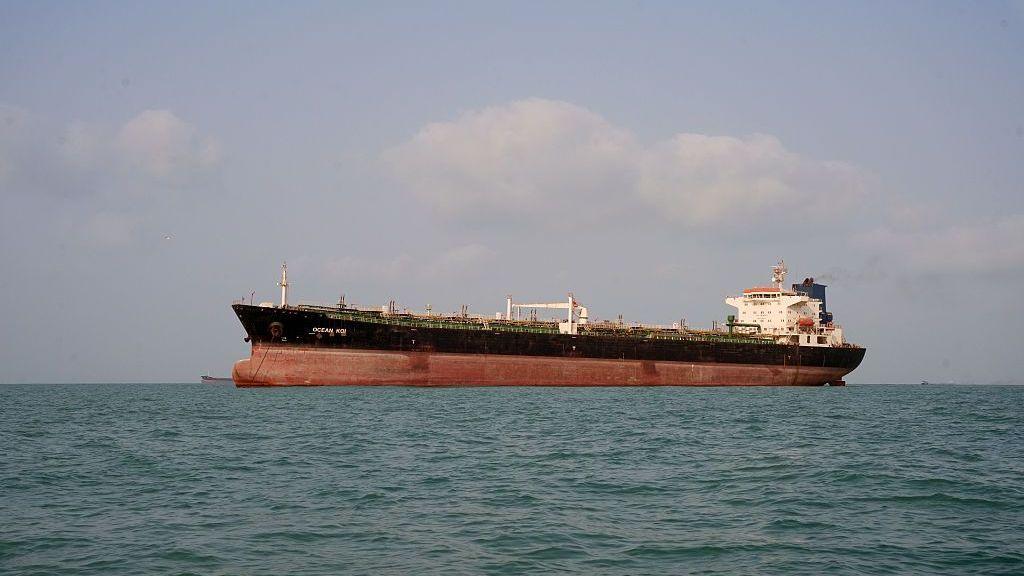
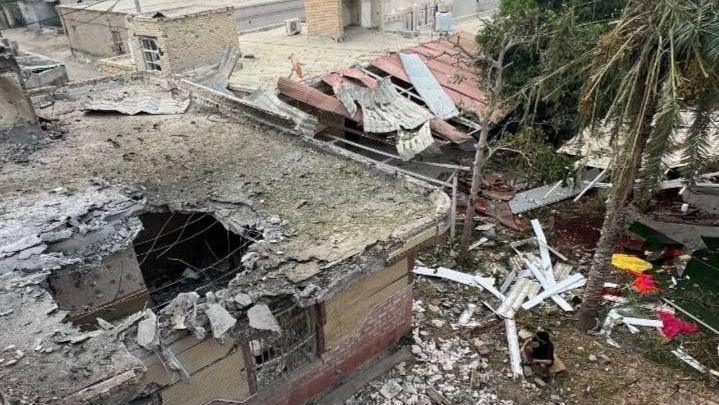
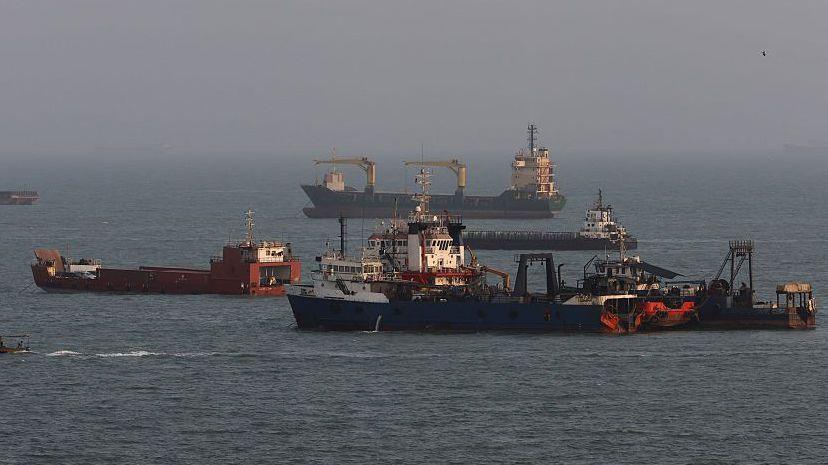
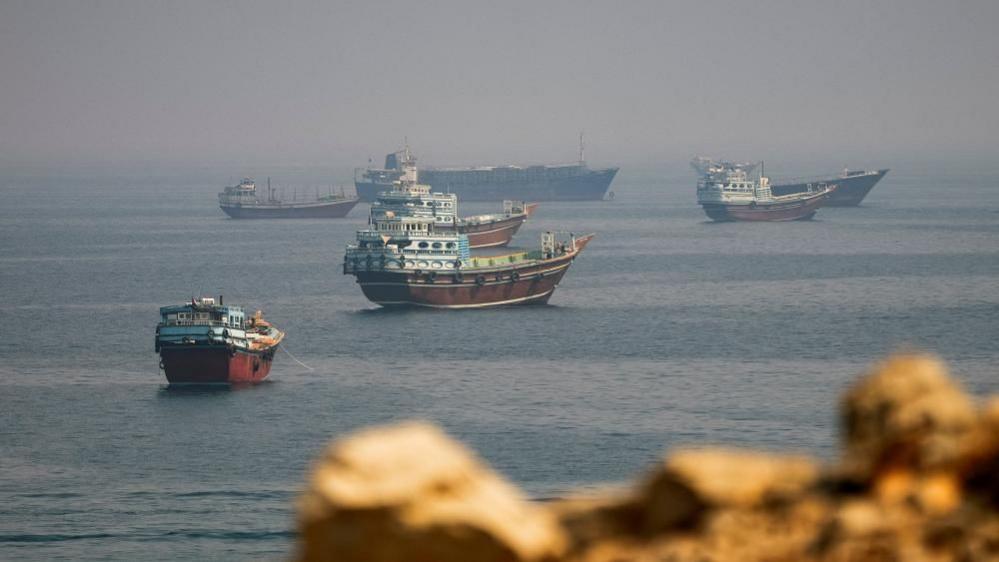
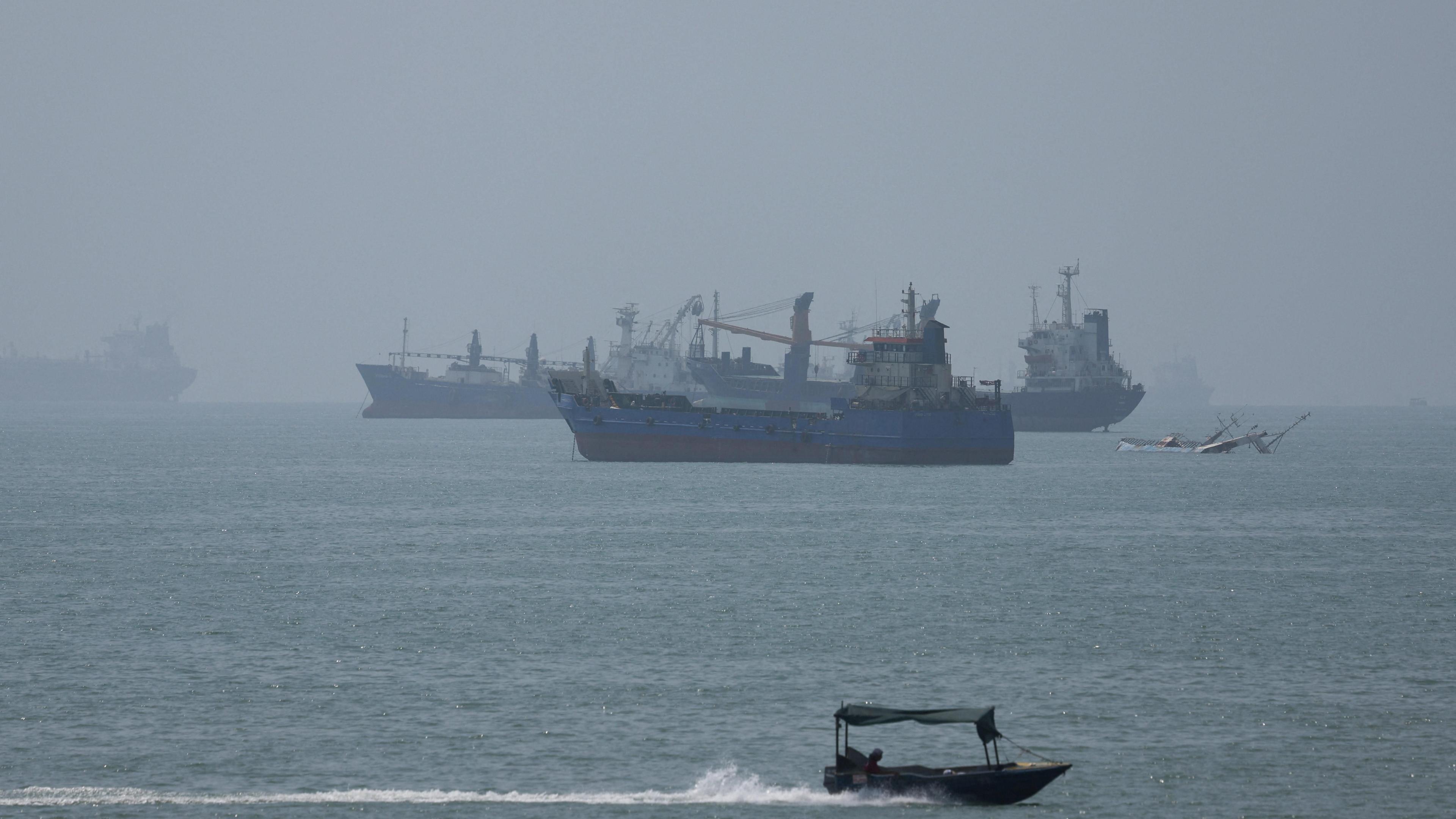
The latest round of air strikes and sanctions from Washington marks the seventh month of hostilities between the United States and Iran. The U.S. has declared a new phase of economic pressure it hopes will compel Tehran to pay the price for its attacks on shipping lanes in the Strait of Hormuz.
"The problem is we still do not know definitively what the US strategic objectives are," notes Jason Campbell, senior fellow at the Middle East Institute. He points out that Washington appears content to maintain the blockade, even while occasional strikes target Iranian shipping. Campbell believes the U.S. aims to see Iran negotiate from a weaker position, yet the regime has so far resisted any shift toward a diplomatic settlement.
Dr. Aniseh Bassiri Tabrizi of Chatham House argues that Iran’s calculations remain unchanged despite the economic squeeze. "Tehran is preparing for an increased economic pressure, but it is not yet altering its stance on negotiations," she said. Tabrizi suggests that Iran will wait for the U.S. to revert to the June Memorandum of Understanding or offer concessions before it considers any compromise.
Nicholas Hopton, a former UK Ambassador to Iran, warns that the latest spike in military action will not bring down the regime. He stresses that economic pressure alone is unlikely to work because many global partners will not back unilateral sanctions. Hopton proposes a return to the MoU, which would lift U.S. sanctions on Iran, potentially eroding the power of the Islamic Revolutionary Guard Corps over time and encouraging a longer‑term political shift.
The analysts agree that the present trajectory risks a drawn‑out war that undermines stability across the Persian Gulf. Any resolution will likely hinge on a combination of diplomatic engagement and sustained economic isolation, but the window for political compromise appears narrow as the conflict enters its seventh month.