In brief
In a move to sustain Bulgaria’s oil supply chain, the UK Treasury extended the general licence granting Lukoil Bulgaria entities that allow them to conduct business transactions until February 2027. The Bulgarian government emphasized the licence’s importance for stability and the continuity of the Burgas refinery, while the US Treasury has simultaneously extended its own authorization until April 2027. The extension follows ongoing sanctions imposed on the Russian oil giant and underscores a continued partnership between UK and Bulgarian authorities to safeguard national energy interests.
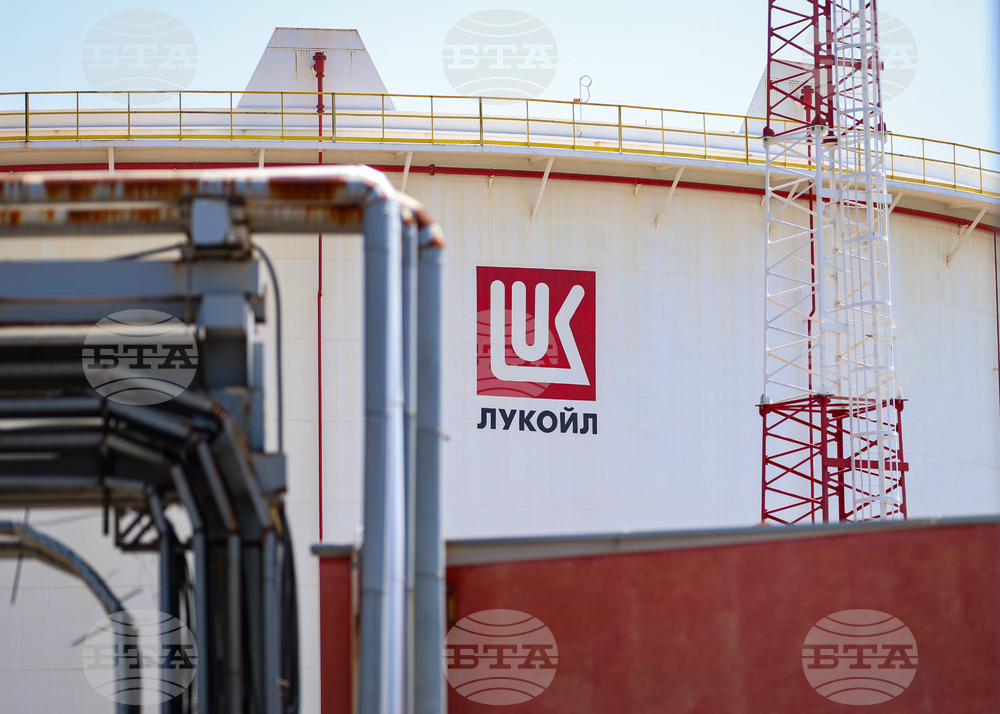
The UK Treasury announced on 28 October 2026 that it would extend the general licence for Lukoil Bulgaria entities until 26 February 2027, allowing subsidiaries such as Lukoil Bulgaria EOOD, Lukoil Neftochim Burgas AD, Lukoil Aviation Bulgaria EOOD and Lukoil Bunker Bulgaria EOOD to carry out standard business transactions without breaching domestic sanctions.
According to a public document on the Treasury’s Office of Financial Sanctions Implementation website, the licence will enable these companies to make payments and conduct other necessary operations while maintaining compliance with UK sanctions. It was originally issued on 14 November 2025 and has been extended several times, most recently on 28 October 2026.
The Bulgarian Ministry of Economy, Investment and Industry welcomed the decision, noting that the extension provides “stability and predictability for the companies’ operations in Bulgaria, as well as security of crude oil supplies and the uninterrupted operation of the Burgas refinery.”
Deputy Prime Minister and Economy, Investment and Industry Minister Alexander Poulev explained that the licence extension results from “active dialogue at government level under Prime Minister Rumen Radev and talks with our British partners and the British Embassy in Sofia.”
During a statement, Poulev underlined the licence’s importance for key business functions such as crude oil deliveries and tanker insurance. He said that “British insurers are crucial to the functioning of the supply chain, providing insurance for more than 90% of the tankers delivering crude oil. Maintaining the ability to work with British companies and UK‑linked partners is an important condition for ensuring continuity of operations.”
"Maintaining the ability to work with British companies and UK‑linked partners is an important condition for ensuring continuity of operations," said Alexander Poulev.
He added that the Bulgarian Government would continue to work closely with international partners to secure supplies and protect the stability and interests of the Bulgarian economy and consumers.
In parallel, the United States Department of the Treasury had extended a similar authorization for Lukoil’s Bulgarian subsidiaries until 24 April 2027, according to a separate US Treasury announcement earlier this month. The US extension reflects parallel sanction regimes aimed at limiting the Russian company’s overseas operations while still permitting certain business activities essential for supply chains.
The double sanction extensions come after Russia’s oil giant faced growing pressure that prompted Lukoil to explore asset sales. The company announced plans to divest its international holdings shortly after sanctions were imposed and had entered into preliminary negotiations with potential buyers. In late January, Lukoil disclosed that it had reached an agreement with a US‑based entity to purchase certain assets, though specifics of the deal were not disclosed in the source.
Experts note that the licence extensions are a pragmatic measure to balance enforcement of sanctions with the need to keep vital fuel supplies flowing. They also highlight ongoing questions about the long‑term viability of Lukoil’s operations in Bulgaria and the potential for future changes in sanction policy.
One open question revolves around how the Bulgarian and UK governments will navigate the intersection of national energy security and international pressure, as the licences hinge on continuous diplomatic dialogue. Another concern is whether the extensions will be renewed as the 2027 “deadline” approaches, particularly if geopolitical tensions or legal challenges arise.
For the Bulgarian economy, the Burgas refinery remains a cornerstone of the country’s oil processing capacity. Any disruption could ripple through local markets, affecting pricing and availability of crude and finished products. The continued licence is thus seen as a buffer against supply shocks.
Given that British insurers cover a vast majority of tanker operations, the licence also directly supports international maritime insurance markets. The Bulgarian government’s public emphasis on this point underscores the interdependence between national policy decisions and global financial servicing infrastructure.
Meanwhile, Lukoil’s decision to relinquish assets and alter its overseas portfolio may indicate a strategic shift, but the company’s continued presence in Bulgaria under the extended licences suggests ongoing commitments to the region.
As the licences approach their 2027 expiry dates, stakeholders on both sides of the Atlantic will be watching closely to assess whether the restrictions remain or relax, and how such shifts will impact the broader energy market in Europe.