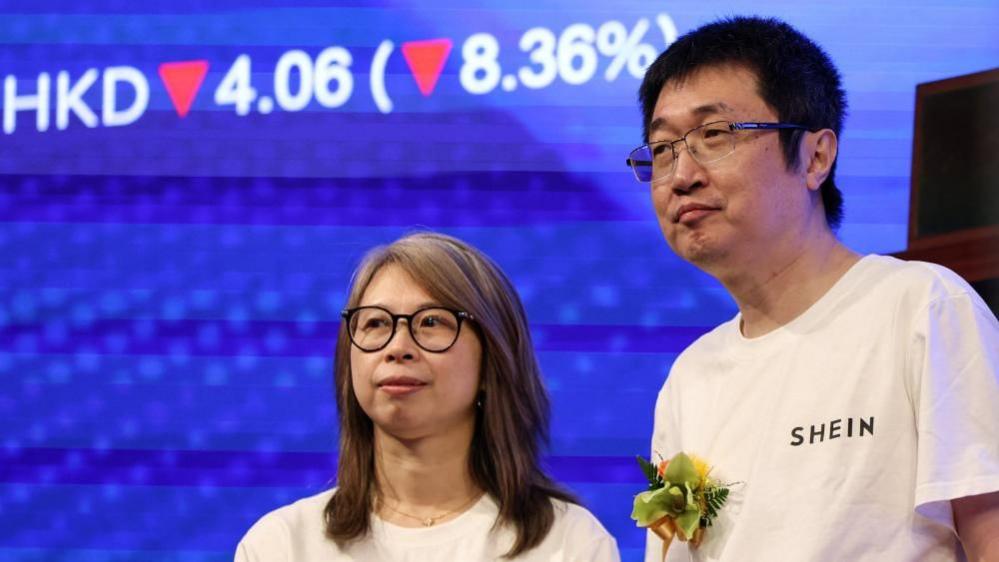
Shein’s IPO flop: Shares tumble after Hong Kong debut
Fast‑fashion king‑pin Shein opened its doors onto the Hong Kong Stock Exchange on Tuesday, only to see its shares drop 8.7% from the opening price of HK$48.56.
The IPO, which raised HK$13.6bn ($1.7bn) at a valuation of $26.3bn, marked the biggest new share sale in the market this year – and it also sent a warning flag for investors. The price slide reflects a combination of regulatory worries and a sharp slowdown in growth, despite the company’s massive online sales network.
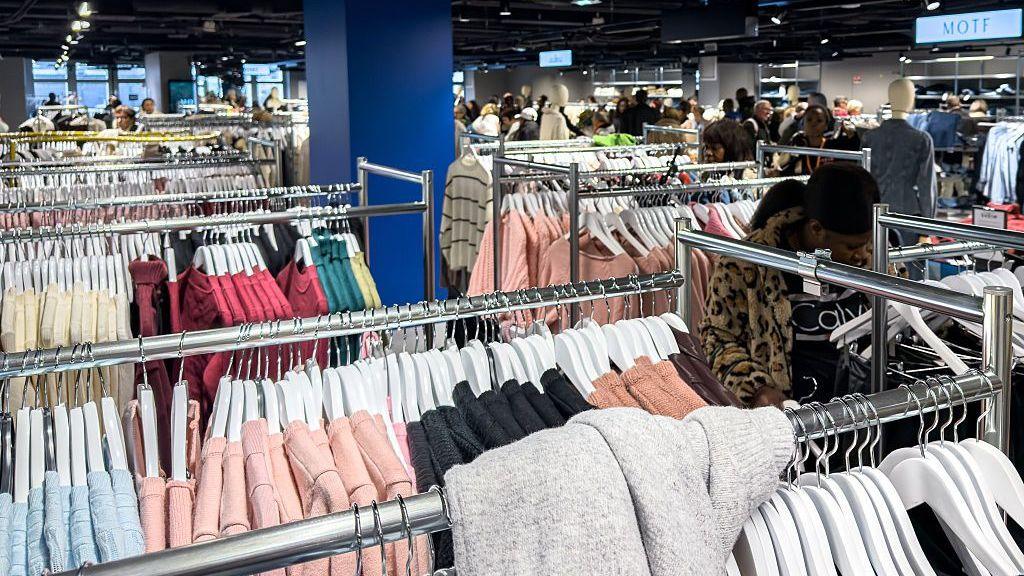
Shein, founded in 2008 in China and now headquartered in Singapore, built its brand on a supply chain that can produce fresh styles in days, with more than 273 million active customers and over a billion orders placed in the year ending March 2026. The model gained traction during the pandemic, when shoppers turned to fast, affordable fashion and shared “haul” videos on social media.
But the brand has long struggled to convince regulators. Legal challenges in the U.S. and U.K. over alleged forced‑labour links and copyright infringements stalled earlier IPO bids. The company claims a zero‑tolerance policy for forced labour, while pressing that it respects designers’ rights.
Trade tensions also weigh on the firm. In July the U.S. revoked a $800‑worth import‑exemption that had helped rival platforms, and the EU levied a €3 tax on low‑value imports. These shifts raise costs for Shein and its rivals, squeezing margins.
Investor sentiment is cautious. Saxo chief strategist Charu Chanana warned that the market is not convinced Shein can “make a comeback” and that the price decline signals a genuine deterioration in its outlook.
The listing will test whether Shein can adapt its logistics and pricing to survive higher tariffs and tighter regulation while still appealing to price‑sensitive consumers. The company’s future will hinge on proving its margins can stand up in a changing global environment.