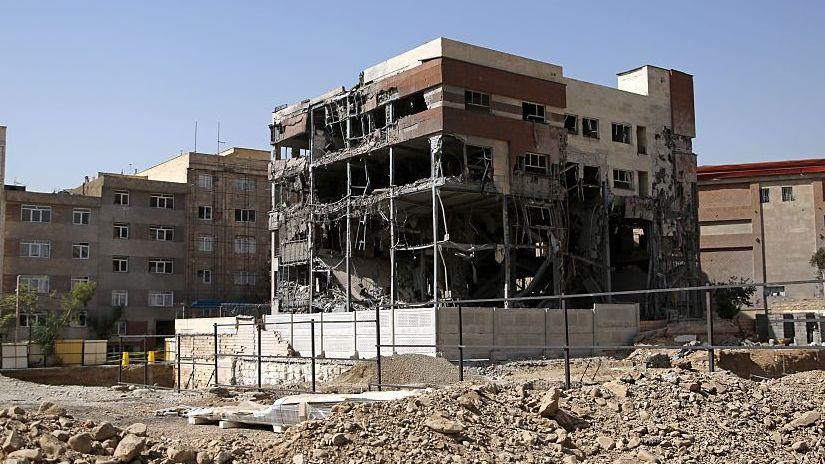
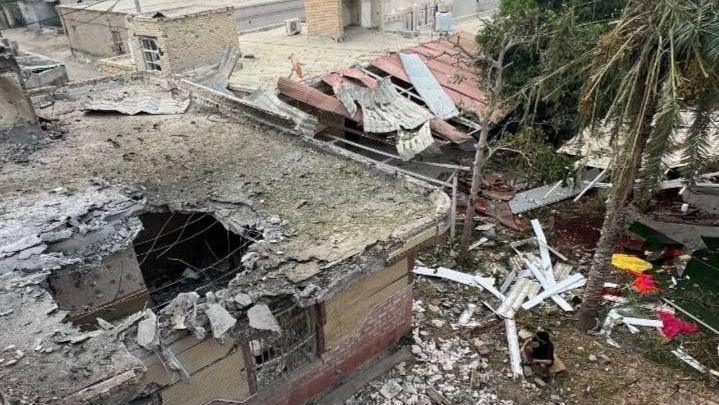
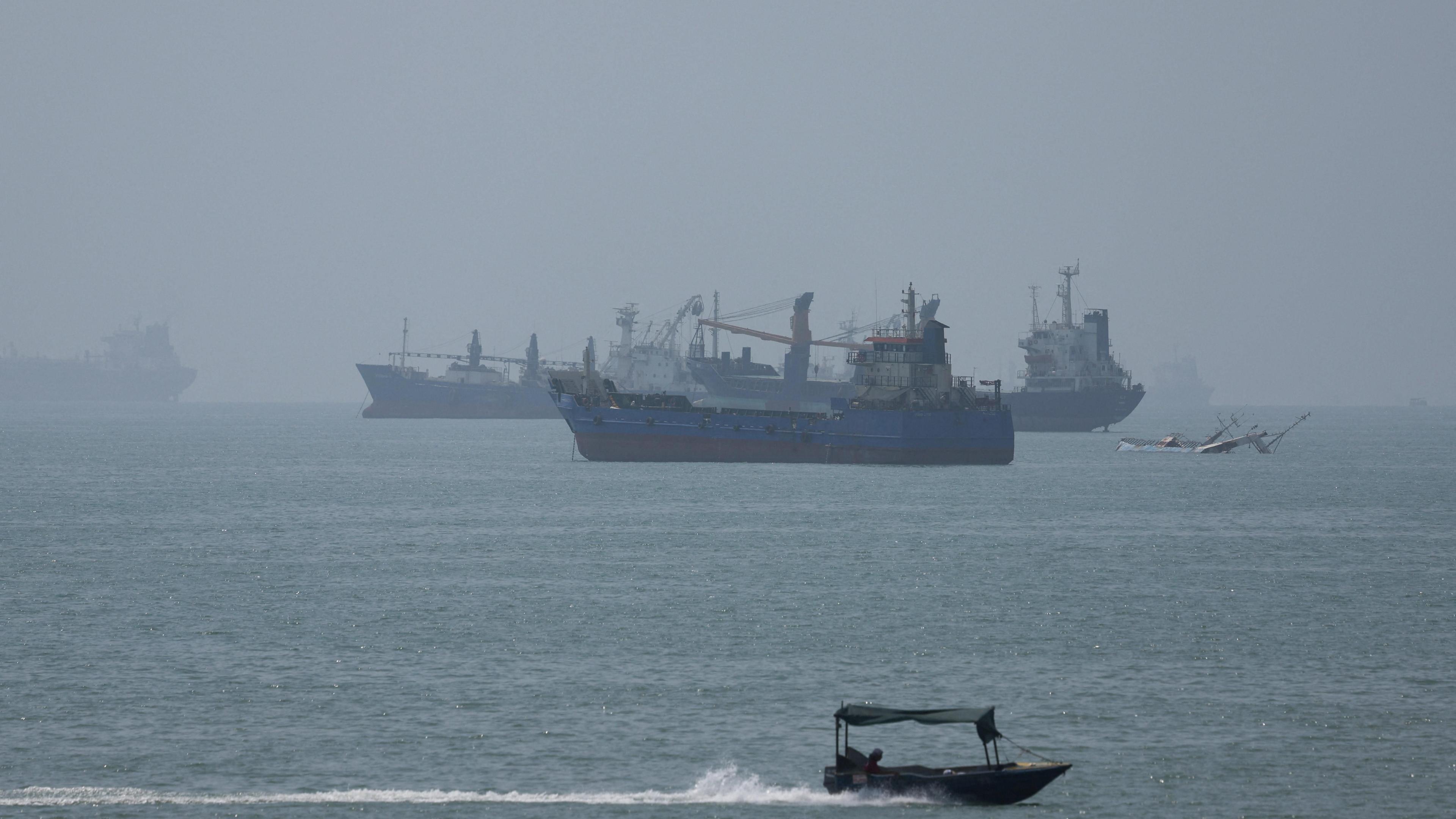
The drive along a stretch of Mediterranean highway bordering Israel is both scenic and eerily deserted. Fields lie fallow, and villages that once thrummed with life are now rubble after repeated air strikes and shelling. A lone Lebanese military checkpoint, painted in white and red, marks the final hint of state presence before the line turns into an Israeli‑controlled area. Only tens of soldiers keep watch under concrete walls; the road beyond lies empty and fenced.
Near Naqoura, a Lebanese checkpoint has become a symbolic front. Further south, a dozen Israeli flags line the border, marking the start of an occupied zone that Israeli troops control. The area is the heartland of the Shia Muslim community that supplies Hezbollah with support. Israel invaded this region in March 2024 after a flare of violence involving Hezbollah rockets aimed at Israeli territory. The assault escalated into a war that left large swaths of Lebanon in ruins.
During a convoy escort mission last month, the BBC aided a humanitarian operation run by UNUNIFIL. The Finnish‑led UN peacekeeping force is among the only entities with permission to move through these territories. The convoy added SLA‑protected routes and allowed the BBC to witness degradation that is ongoing even after a formal cease‑fire in June.
UNUNIFIL staff said Israeli forces had sealed, fortified, and constructed protective causes in the occupied strip. They also noted that Israeli civilian personnel carried out demolition and engineering work to support the strategic layout. Human‑rights advocates argue that some of these demolitions may be war crimes as they destroy civilian infrastructure without clear military justification while thousands remain displaced.
Israel’s defense officials maintain that any destroyed buildings were used by Hezbollah for military operations. They cited compliance with international law, though many questions remain unanswered. The Israeli statement also declared a long‑term “security zone” would protect northern Israeli communities from Hezbollah rockets and drones.
Official documents suggest that a fully‑neutral withdrawal awaits Hezbollah’s disarmament—something the Lebanese government cannot enforce without Hezbollah’s consent. In discussions mediated by the United States, a pilot‑zone framework was introduced in which Israeli forces would pull out gradually. Hezbollah rejects the arrangement, threatening that any concession can only come after a complete Israeli withdrawal. The plan faces stale progress, with expectations that substantive changes may not materialise before the Israeli national election at the end of October.
In sum, Israeli military activity along the Lebanon boundary aims to secure strategic control while a diplomatic stalemate remains. UNUNIFIL and local reports continue to document the human cost and the uncertain future for residents forced to remain in ruined villages. The situation grows increasingly reminiscent of the Gaza conflict, with Israel entrenched and the prospect of a long‑term occupation seeming more likely than a resolution.