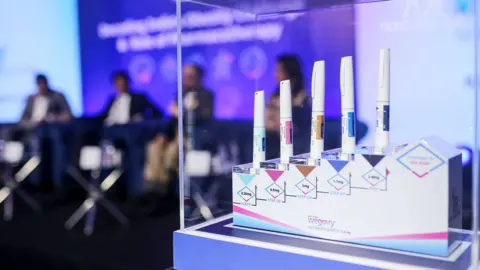
India could soon get a lot thinner - at least in theory. On Friday, the patent on semaglutide - the molecule behind Danish drugmaker Novo Nordisk's blockbuster weight-loss drugs Wegovy and Ozempic - expires in the country. This allows domestic pharmaceutical companies to release cheaper copies or generics, possibly slashing prices for consumers and improving access to these transformative medications.
Investment bank Jefferies refers to this moment as a potential magic-pill moment for India, predicting that the semaglutide market could reach $1 billion with the right pricing and uptake. Analysts expect around 50 branded semaglutide generics to enter the Indian market in the coming months, reflecting a competitive landscape familiar in the country's pharmaceutical industry.
India’s pharmaceutical sector is poised for explosive growth, doubling by 2030, bolstered by its strength in generics. Historically, when other popularly used diabetes medications, such as sitagliptin, faced patent expirations, rapid market entries of affordable alternatives followed.
The emergence of generics is particularly important in a nation with over 77 million individuals suffering from type-2 diabetes with rising obesity levels driven by modern lifestyles and unhealthy diets. GLP-1 receptor agonists like semaglutide not only treat diabetes but also are heralded for their weight-loss capabilities, giving healthcare providers a valuable tool for patients struggling with obesity.
While the anticipated drop in costs could open these drugs up to the masses, caution is warranted. There are concerns regarding pharmaceutical quality and the potential for misuse as these drugs become more accessible. Medical professionals emphasize the need for regulatory vigilance to ensure that these generics maintain high safety and efficacy standards, as miscommunication around their use could lead to negative health outcomes. In summary, while the expiration of semaglutide's patent marks an evolutionary step in obesity treatment for Indian patients, it also highlights the critical need for proper healthcare guidance and regulation.
Investment bank Jefferies refers to this moment as a potential magic-pill moment for India, predicting that the semaglutide market could reach $1 billion with the right pricing and uptake. Analysts expect around 50 branded semaglutide generics to enter the Indian market in the coming months, reflecting a competitive landscape familiar in the country's pharmaceutical industry.
India’s pharmaceutical sector is poised for explosive growth, doubling by 2030, bolstered by its strength in generics. Historically, when other popularly used diabetes medications, such as sitagliptin, faced patent expirations, rapid market entries of affordable alternatives followed.
The emergence of generics is particularly important in a nation with over 77 million individuals suffering from type-2 diabetes with rising obesity levels driven by modern lifestyles and unhealthy diets. GLP-1 receptor agonists like semaglutide not only treat diabetes but also are heralded for their weight-loss capabilities, giving healthcare providers a valuable tool for patients struggling with obesity.
While the anticipated drop in costs could open these drugs up to the masses, caution is warranted. There are concerns regarding pharmaceutical quality and the potential for misuse as these drugs become more accessible. Medical professionals emphasize the need for regulatory vigilance to ensure that these generics maintain high safety and efficacy standards, as miscommunication around their use could lead to negative health outcomes. In summary, while the expiration of semaglutide's patent marks an evolutionary step in obesity treatment for Indian patients, it also highlights the critical need for proper healthcare guidance and regulation.