How the Iran War is Disrupting Daily Life Across Asia
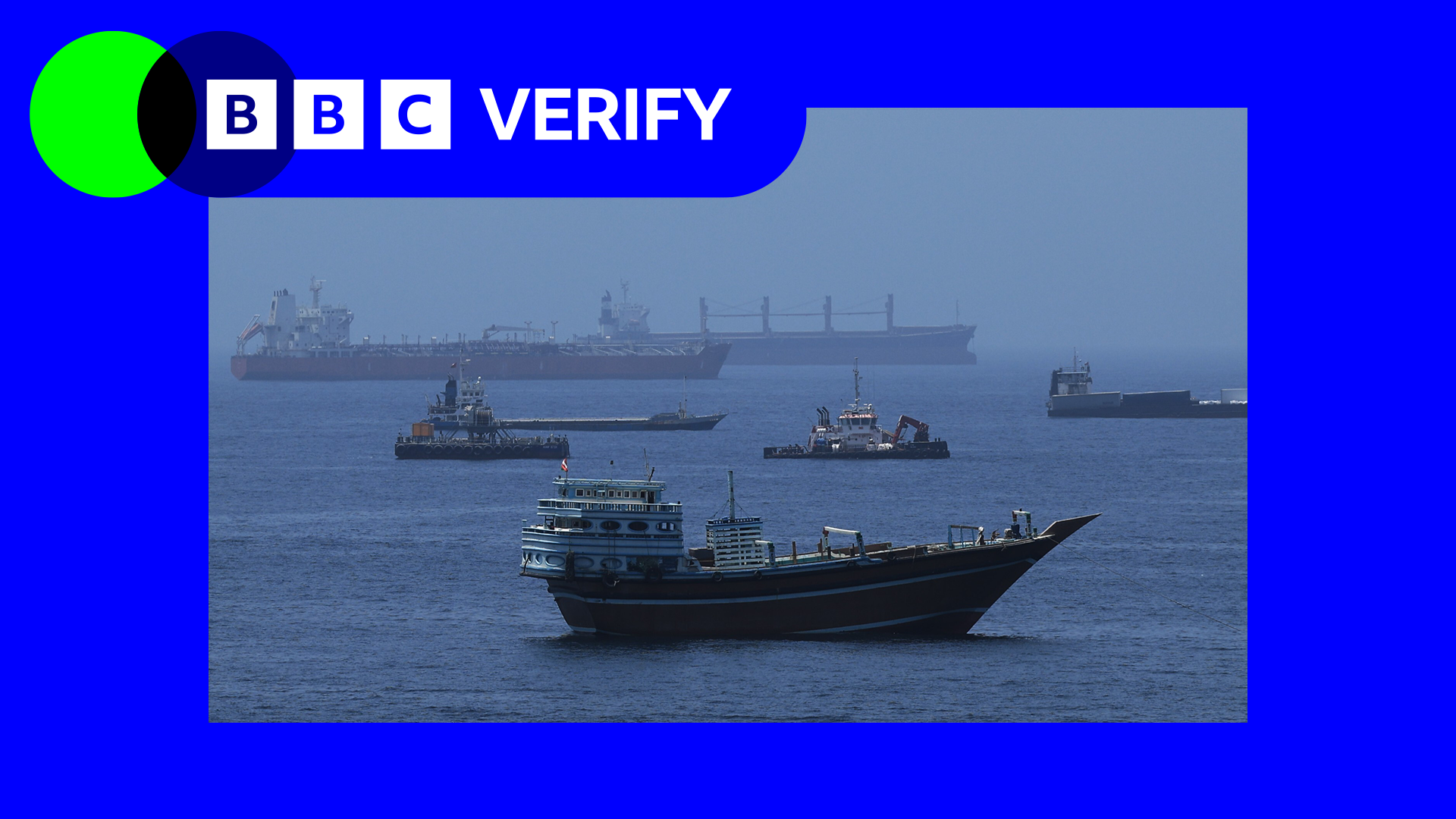
The effective closure of the Strait of Hormuz after the US and Israel began their conflict with Iran has sent shockwaves across the globe. The resultant spike in oil prices and instability in stock markets are evident as the world waits for Iran to allow vital trade routes to reopen. Currently, only a limited number of ships are able to pass through the strait, further exacerbating supply issues amid rising attacks on energy infrastructure in the region.
Asia, which relies heavily on the Strait of Hormuz for nearly 90% of its oil and gas supply, is feeling the effects acutely. Governments from the Philippines to Thailand have implemented drastic measures to conserve energy resources, including ordering employees to work from home and even declaring national holidays.
In the Philippines, authorities declared a national emergency in light of the crisis, especially for sectors heavily reliant on transportation. Carlos Bragal Jr., a jeepney driver, is experiencing financial hardship as his daily earnings have plummeted due to soaring fuel prices. Similarly, in Thailand, public figures have taken to airing energy-saving campaigns, underscoring the real impact of the Iranian conflict.
In Sri Lanka, the government has instituted fuel rationing amidst long queues at gas stations, while in India, cooking gas shortages are threatening to shut down restaurants and small businesses. Reports indicate that as many as one-fifth of hotels and eateries in major cities are facing operational challenges.
With the threat of prolonged conflict looming, many across Asia are expressing deep concern about their future, as they witness the effects on their everyday lives and livelihoods. As the situation evolves, citizens from various nations are left in uncertainty, eagerly awaiting a resolution to the energy crisis brought forth by the war in Iran.