US-Israeli Strikes Intensify: A Closer Look at the Targeting of Iranian Infrastructure
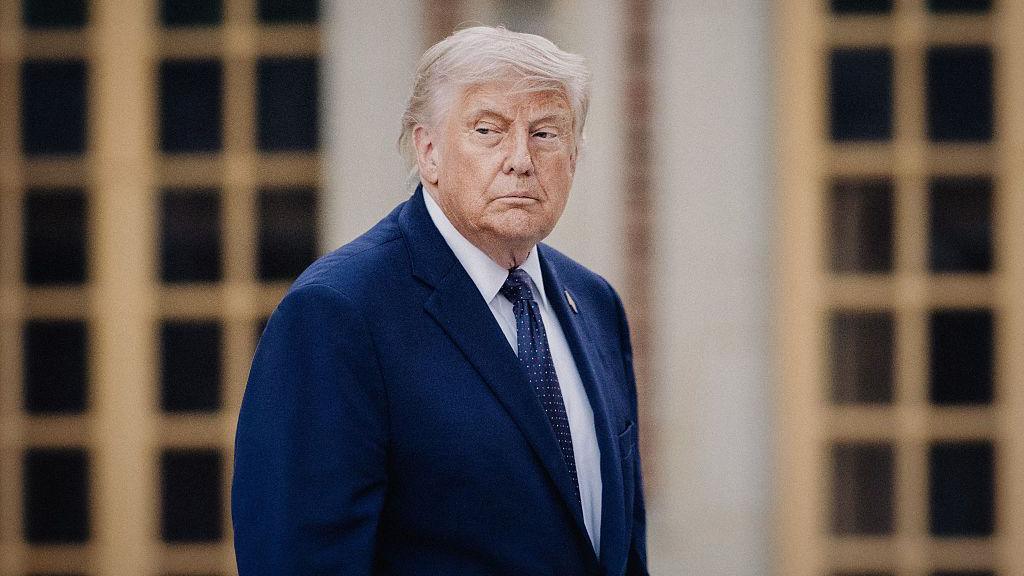
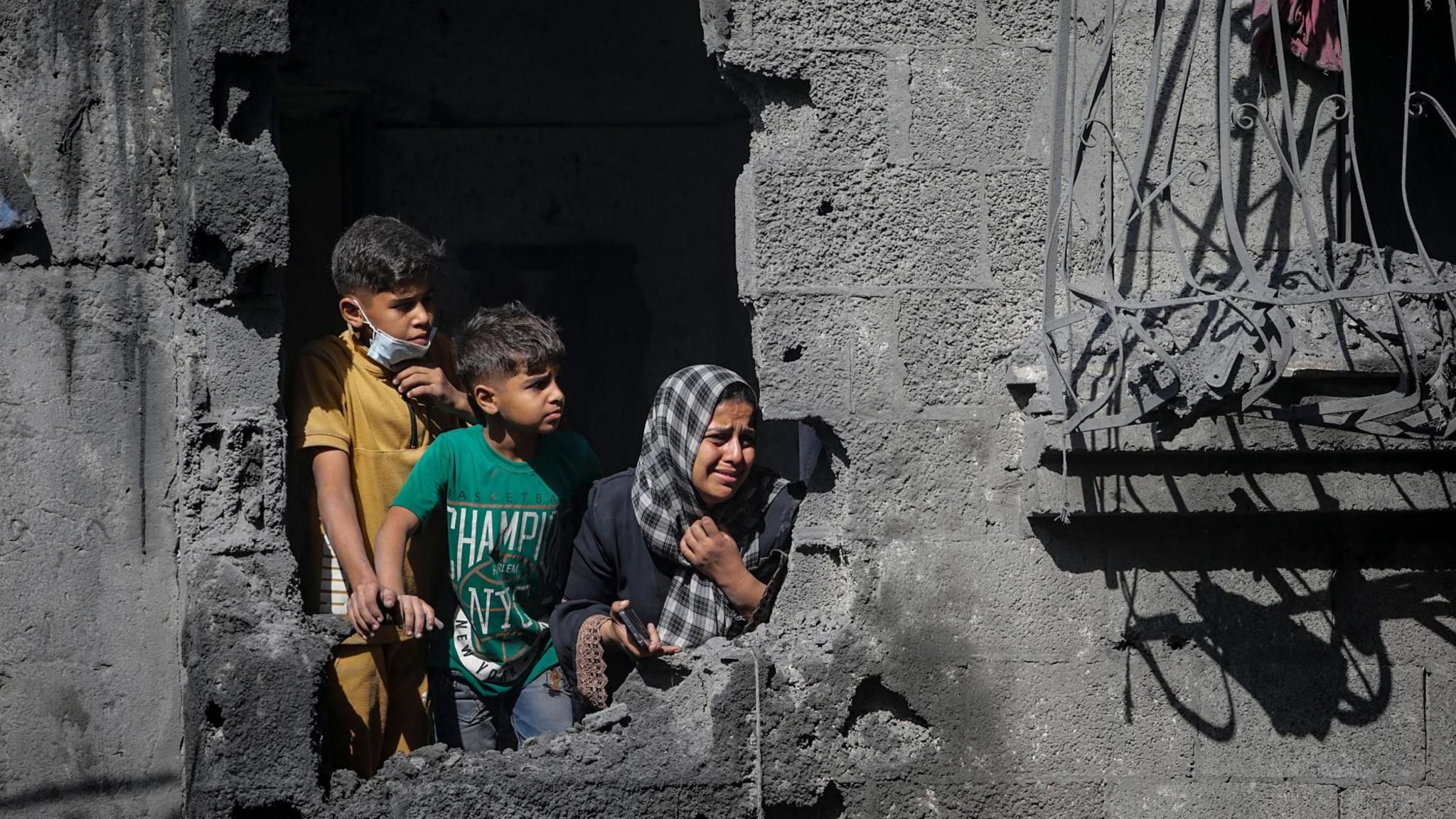
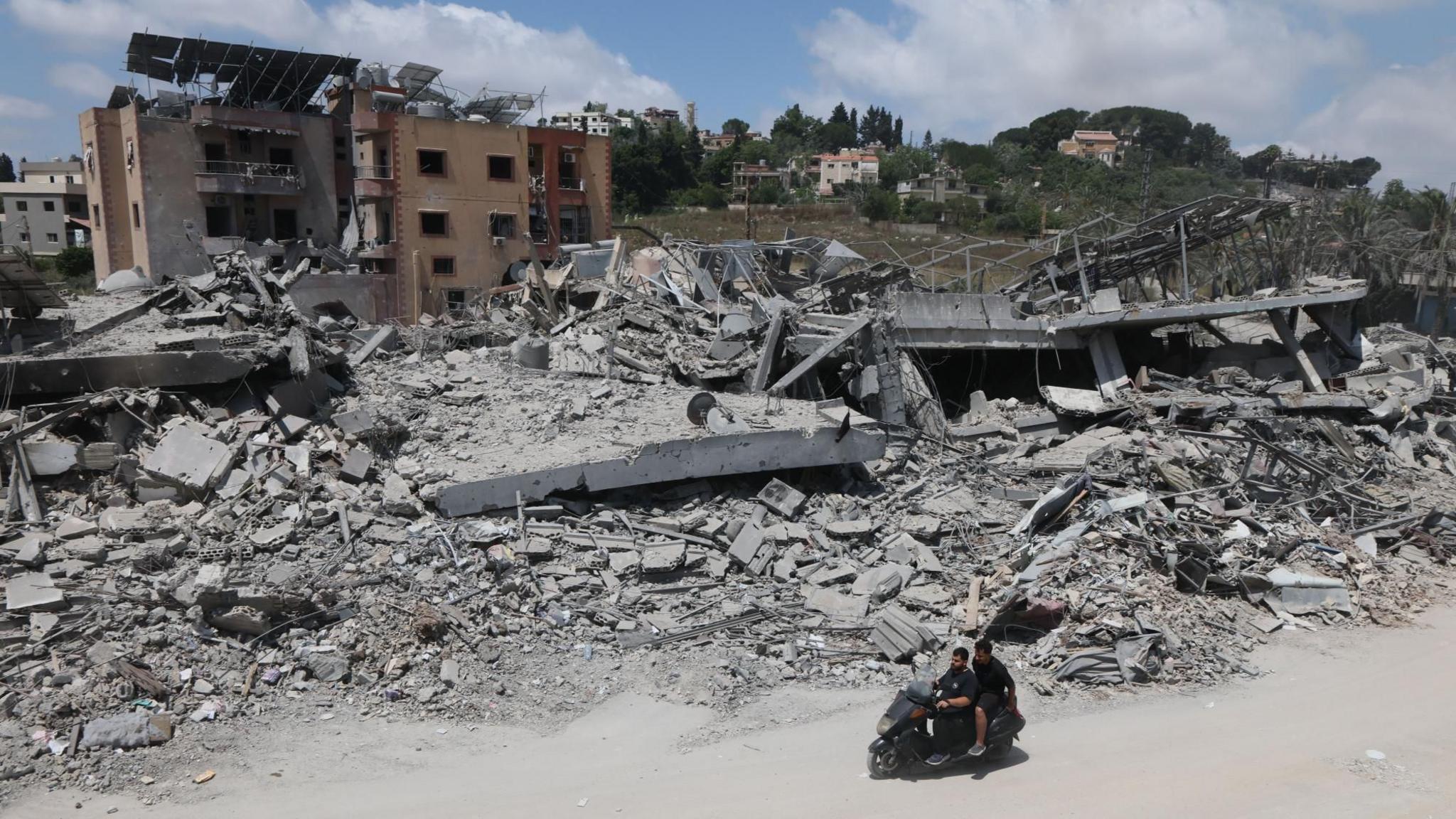
Amid growing hostilities, President Donald Trump has issued threats to target Iranian infrastructure unless an acceptable agreement to halt the ongoing conflict is reached. His aggressive rhetoric included promises to bomb Iran back to the Stone Ages, specifically mentioning critical infrastructure such as bridges and power plants. The consequences have already begun to manifest, with numerous civilian structures damaged in recent strikes.
Reports confirm that US and Israeli forces have targeted essential facilities, including two steel plants, three bridges, and a pharmaceutical facility. These military actions have raised alarms among US Congress members and UN officials who warn that such strikes could potentially amount to war crimes.
Civilian Infrastructure Under Fire
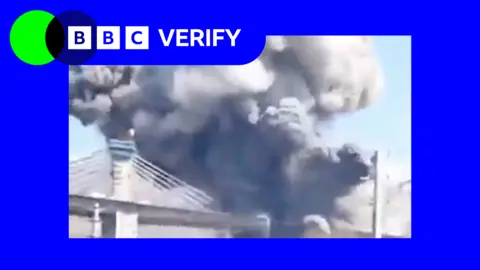
On March 30, US aircraft attacked a major bridge under construction in central Iran, reportedly killing at least 13 people. Witnesses and verified footage showed considerable destruction, while local officials assessed the aftermath of the strike.
Further, the attacks have extended to significant industrial sites as well, with the Isfahan Mobarakeh Steel Company suffering significant damage, halting its operations. Furthermore, Israeli Prime Minister Benjamin Netanyahu announced that these strikes have disrupted nearly 70% of Iran's steel manufacturing capabilities, raising concerns about the economic ramifications.
The Israeli Defense Forces (IDF) have also claimed responsibility for hitting a pharmaceutical plant, alleging it was involved in creating chemical weapons. However, the BBC has yet to independently verify these claims.
Potential Legal Implications of the Strikes
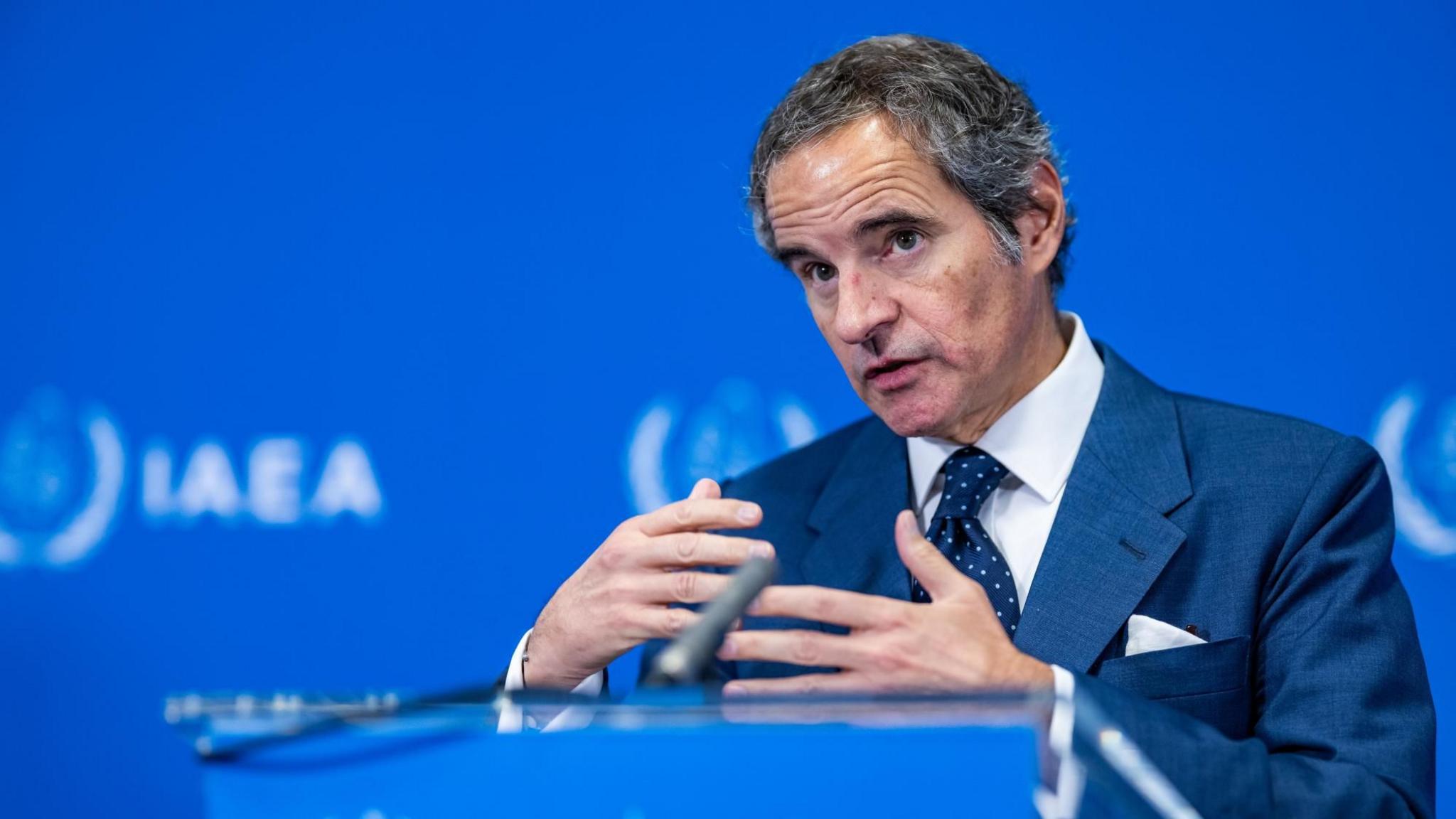
Legal experts are scrutinizing the recent strikes, questioning whether the attacks on civilian sites violate international laws that protect civilians. Under certain circumstances, military actions against dual-use sites may be permitted, but any ensuing civilian casualties must not be excessive. With reports of collateral damage to schools and hospitals, the legality of these strikes remains a contentious topic.
Efforts to analyze and assess the full scope of the damage inflicted on civilian infrastructure will continue, as the potential for significant international repercussions hangs heavily over ongoing conflicts in the region.
In summary, the escalation of tensions between the US, Israel, and Iran not only raises immediate concerns for the involved nations but also casts a wider shadow on international laws governing warfare. As the world watches, stakeholders within the UN and international communities are urged to intervene to safeguard civilian lives amidst these turbulent geopolitical conflicts.