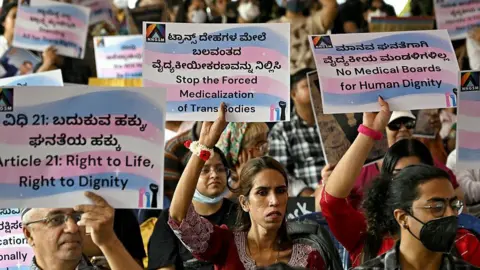
India's parliament has passed a controversial bill that seeks to change how transgender people are legally recognized and their right to self-identify, amid protests by opposition parties and the LGBTQ community. The government argues that the changes will improve welfare access and bolster protections against exploitation and trafficking, yet critics warn it could exclude many transgender, non-binary, and gender-fluid individuals.
India is estimated to have around two million transgender people, though activists contend the actual figure is higher and legal recognition remains inconsistent. The new legislation, which amends the Transgender Persons (Protection of Rights) Act of 2019, has been framed as necessary to clarify definitions, but it has faced backlash for limiting recognition to biological traits and requiring medical validation for gender-affirming procedures.
Critics assert that these changes undermine the dignity and autonomy of transgender individuals and contradict prior legal affirmations of self-identification. Prominent activists have voiced concerns that the bill represents an attack on privacy and rights, specifically targeting those who identify outside of binary categories.
Political leaders have also condemned the bill, with many describing it as hasty and oppressive. A Supreme Court-appointed panel deems it counterproductive to existing protections, calling for its withdrawal amidst growing public dissent. The ongoing protests reflect deep-seated frustrations within the LGBTQ community, highlighting the urgent need for more inclusive and democratic deliberation on matters of identity and rights.
India is estimated to have around two million transgender people, though activists contend the actual figure is higher and legal recognition remains inconsistent. The new legislation, which amends the Transgender Persons (Protection of Rights) Act of 2019, has been framed as necessary to clarify definitions, but it has faced backlash for limiting recognition to biological traits and requiring medical validation for gender-affirming procedures.
Critics assert that these changes undermine the dignity and autonomy of transgender individuals and contradict prior legal affirmations of self-identification. Prominent activists have voiced concerns that the bill represents an attack on privacy and rights, specifically targeting those who identify outside of binary categories.
Political leaders have also condemned the bill, with many describing it as hasty and oppressive. A Supreme Court-appointed panel deems it counterproductive to existing protections, calling for its withdrawal amidst growing public dissent. The ongoing protests reflect deep-seated frustrations within the LGBTQ community, highlighting the urgent need for more inclusive and democratic deliberation on matters of identity and rights.