On the plains of northwestern Iran, edged by snow-ribboned ridges, spring nudges almond trees into frothy bloom and a fragile ceasefire brings more traffic onto highways, and more Iranians back to their homeland.
I stayed with my son in Turkey for a month, a grey-haired banker says as we stand waiting at a Turkish crossing.
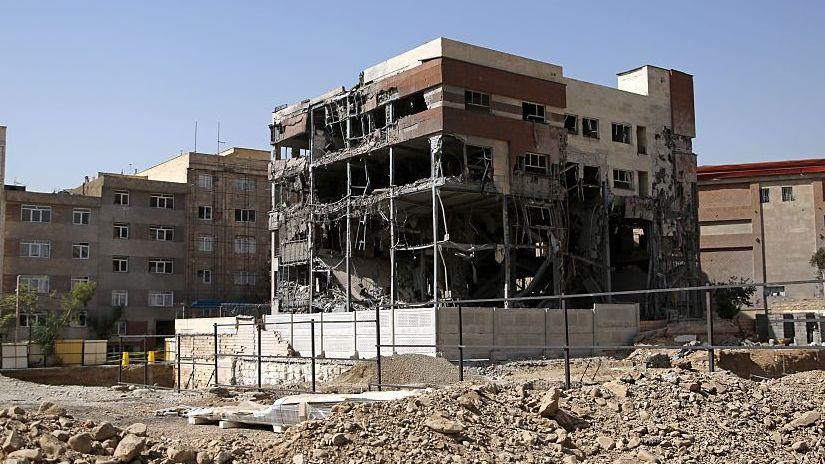
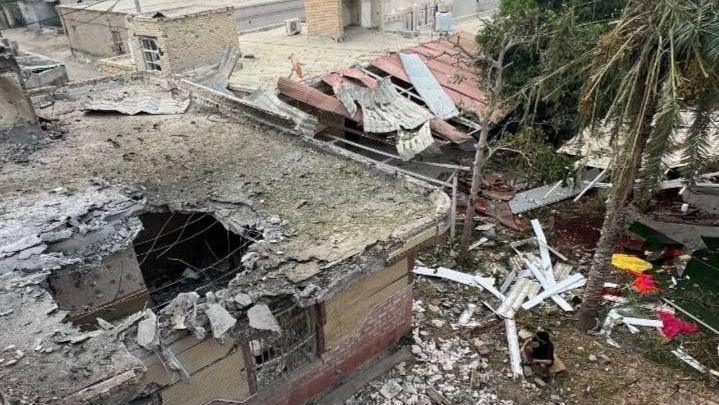
His recounting of the recent conflict highlights that the Israeli and American airstrikes mainly hit military targets, not homes or civilian infrastructure, reflecting a mix of relief and trepidation as a two-week truce unfolds, nearing its expiration.
Amidst this, a worried elderly woman expresses her fears about the ongoing geopolitical tensions, revealing a palpable sense of distress about the situation’s future.
Of course, the ceasefire won't hold, declared a young woman, summing up a collective skepticism regarding the permanence of the current peace.
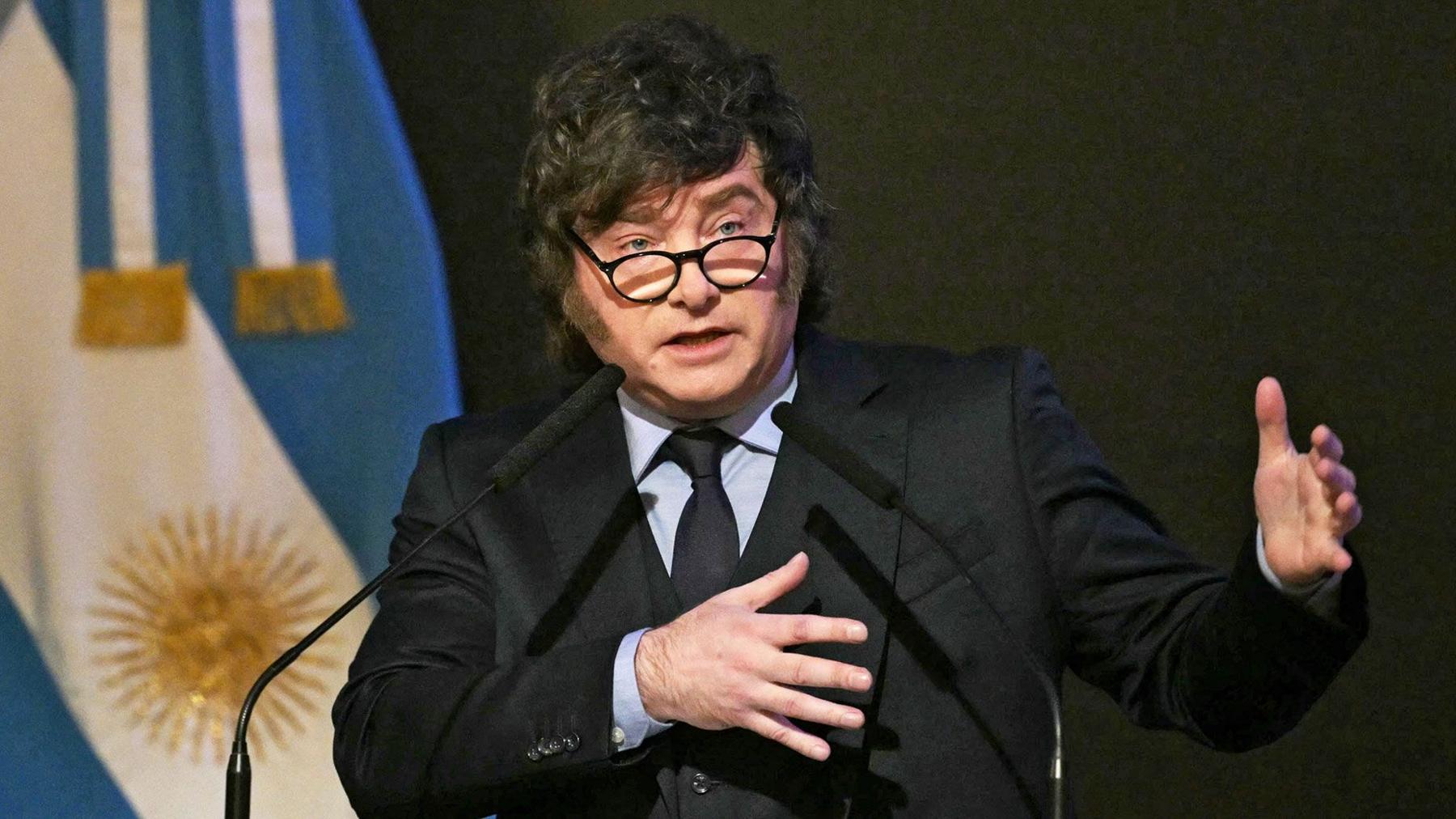
The discourse around the ceasefire grows tense as individuals contemplate the impending fallout of US foreign policy, notably President Trump's threats of extensive military action against Iran.
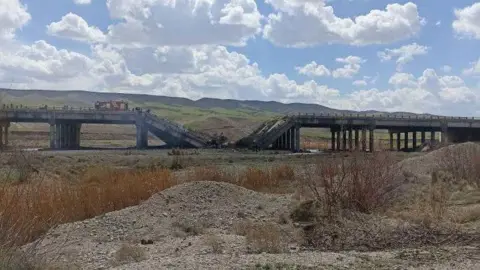
As this dichotomy unfolds, the Iranian people are reminded daily of the war's realities, witnessing significant infrastructural damage including collapsed bridges due to missile strikes.
On the streets, people navigate their daily lives against a backdrop of anxiety and uncertainty, with the ongoing discussions around potential US concessions igniting fervent interest among citizens eager for change.
As talks resume between US and Iranian officials, there's an overwhelming hope and doubt lingering in the air; will these negotiations finally end the standoff and bring relief from sanctions? Many are left wondering if a lasting peace means much after all they have endured.
The turmoil of the last several months has left an indelible mark on the nation, leading many to ponder what a future deal might mean for their everyday lives.