The Taoiseach (Irish prime minister) has said a cabinet meeting will be held on Sunday where an update on the ongoing fuel crisis talks will be given.
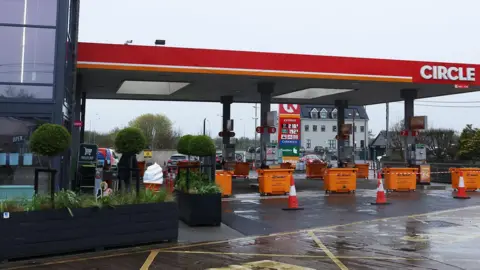
Hundreds of petrol stations in the Republic of Ireland have run out of fuel as the protests and blockades - involving slow-moving convoys made up of vehicles including tractors - continued for a fifth day.
Meetings between government ministers and representatives of farmers and hauliers to finalise a new government funding package have been ongoing since Friday.
On Saturday, fuel trucks regained access to an oil refinery in County Cork that had been subjected to a days-long blockade.
Protesters who had been blocking trucks leaving the Whitegate Refinery were pushed back by gardaí (Irish police) using pepper spray, in an operation supported by the Irish Defence Forces.
The Garda Commissioner said a number of arrests were made during the operation.
He added that blockades are illegal and not a legitimate form of protest.
We gave these blockaders fair warning that we were moving to an enforcement phase and they chose to ignore that and continue to hold the country to ransom, Justin Kelly said.
The harbour master at Rosslare Europort told Irish broadcaster RTÉ that they may have to turn away ferries due to a road blockade outside the facility.
Public transport has also been affected, with some services suspended and major disruption in Dublin.
An Garda Síochána has declared an exceptional event in response to the fuel protests, allowing it to double the number of officers available to work.
Taoiseach Micheál Martin stated the blockades meant the country was on the precipice of turning oil away from the country during a global oil supply crisis.
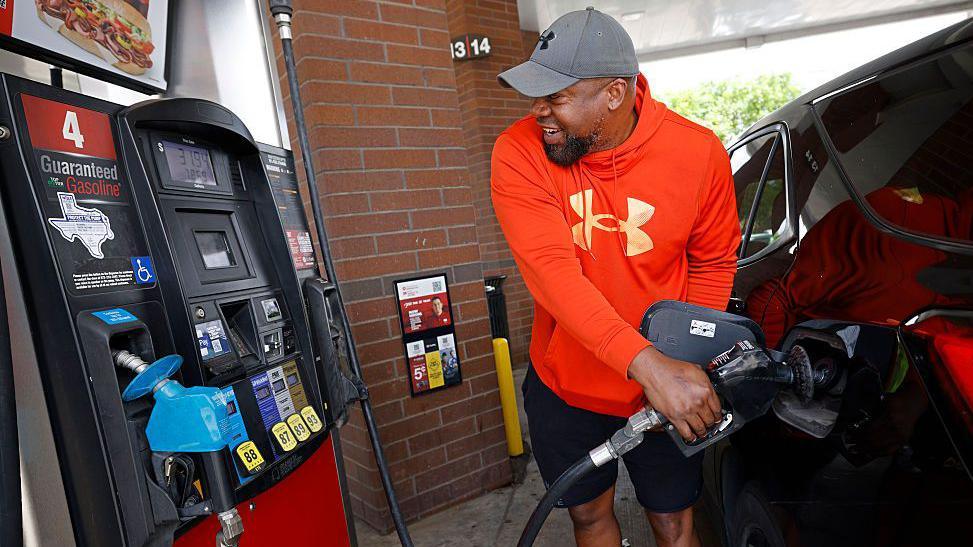
The protests stem from rising fuel prices linked to the conflict in the Middle East, which has caused rapid price increases for petrol and diesel, with diesel rising from about €1.70 (£1.48) a litre to €2.17 (£1.89).